

Fennel
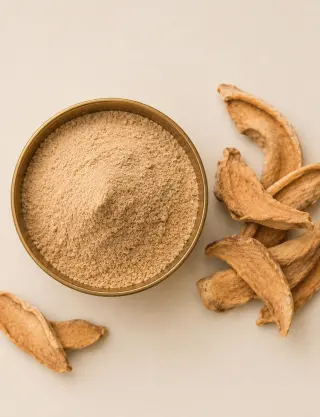
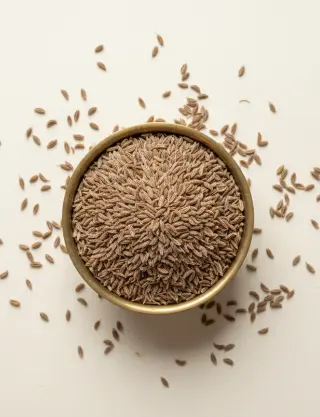
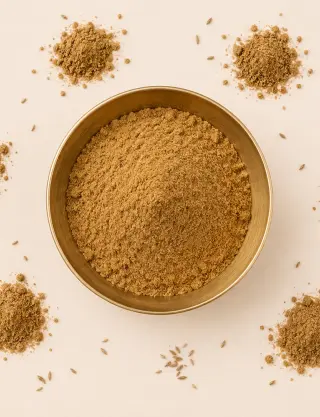
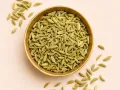
Discover our fennel, available as whole seeds and powder. Sweet, mildly anise-like flavour to season your dishes and chai, and aid digestion after meals.
Ready for shipping, delivery time 3-7 business days
Delivery from €4.80 at Mondial Relay pickup points.


Fennel: the sweet, anise-like seed of Indian cuisine
Native to the Mediterranean basin, fennel has been part of Indian cuisine and traditional customs for centuries. Its seeds have a sweet, mildly anise-like flavour reminiscent of liquorice. They are used in many spice blends and are traditionally chewed after meals.
Whole seeds or powder: which to choose?
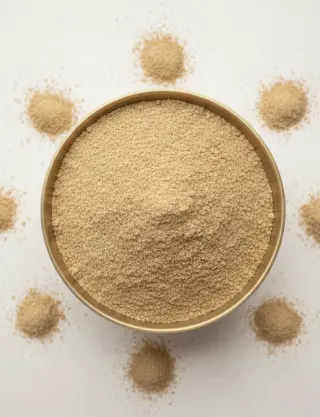
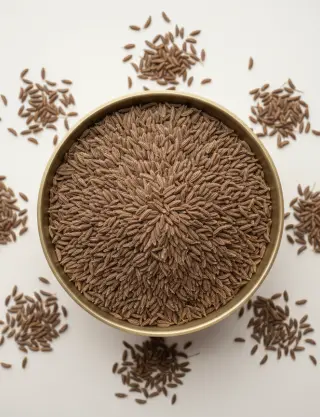
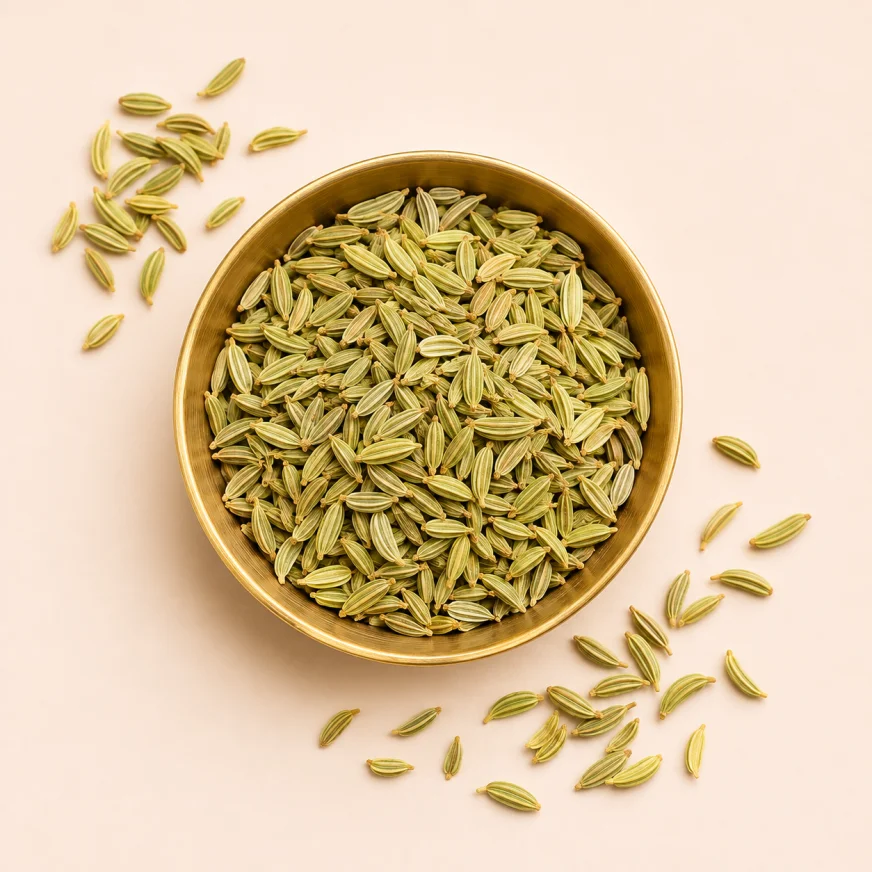
Whole seeds keep their essential oils longer and are well suited to chewing after meals or a quick dry roast before use. The powder blends more easily into spice mixes, baked goods, and preparations where a smooth texture is needed.
Culinary uses:
- Chai and digestive infusions
- Homemade spice blends (garam masala, panch phoron)
- Indian breads and pastries
- Vegetable and fish curries
- Chewed plain after meals, in the traditional Indian style (mukhwas)
- Marinades and roasted vegetables
Origin and quality:
We source our fennel directly from small Indian producers. Certification and farming-practice details for this supplier are still being confirmed and will be updated here once verified.
Storage:
To preserve all its aromas, store your fennel in a dry place, away from light and humidity, in its airtight packaging. Whole seeds keep their aromas longer than the powder.
Aids digestion
Helps reduce bloating after meals
Naturally freshens breath
Traditionally used as a mild diuretic in Indian cuisine
| Directly selected smallholder producers | No |
| Pesticides free | No |
| Origin | India (region unconfirmed) |
| Quality | Premium |
| Type | Whole & powder |
| Taste profile | Sweet, mildly anise-like flavour reminiscent of liquorice. A delicate aroma, gentler than star anise. |
| Composition | Fennel seeds |
Kits using this spice
Discover our kits with recipes to learn how to use this spice
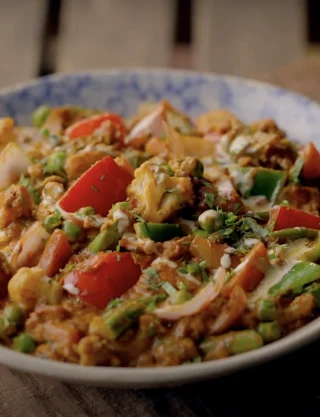
Vegetable kadhai
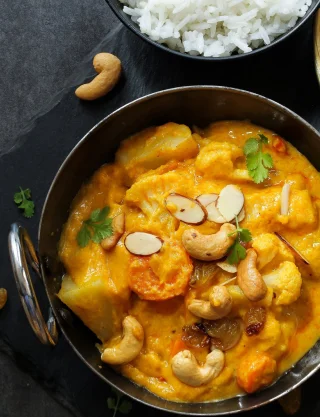
Vegetable korma
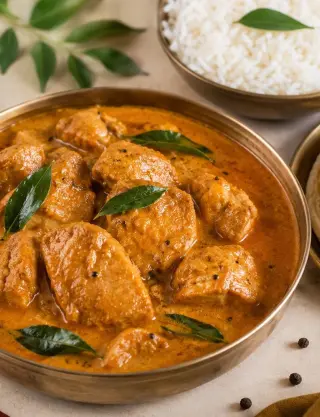
Madras Chicken
Used in these spice blends
This spice is one of the ingredients of these ready-made blends
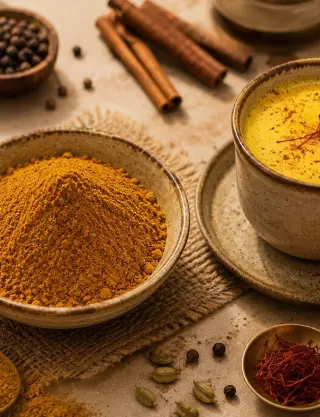
Learn more
Fennel is a Mediterranean plant: Foeniculum vulgare, of the carrot family (Apiaceae), grows naturally along its shores. The Greeks called it marathon, a word already attested in Mycenaean Greek on Linear B tablets (ma-ra-tu-wo), among the oldest written records of the language. The plain of Marathon, where the Athenians defeated the Persians in 490 BC, literally means “fennel plain”: the marathon that millions of runners tackle today is named after a field of fennel.
A fire stolen in a fennel stalk
In Hesiod, Prometheus steals fire from Olympus by hiding it in a hollow fennel stalk (the Greek says narthex, most often identified with giant fennel, Ferula, a large cousin from the same family). In the 10th century an Anglo-Saxon collection lists fennel, as finule, among the nine plants of a healing charm, and Charlemagne required it to be grown on all his imperial farms.
Did you know?
Funchal, the capital of Madeira, is named after fennel. In the 15th century the Portuguese settlers took the word funcho, fennel, and added the suffix -al, which marks a place where a plant abounds: Funchal literally means “the place of fennel”.
Fennel becomes saunf
Nobody can say when fennel reached the subcontinent, and we would rather not invent a date. What is certain is the place it holds today: in the FAO statistical category that groups anise, star anise, fennel and coriander, India produced about 584,000 tonnes in 2014, close to 60% of the world total. In Hindi the seed is called saunf, and what we call a “seed” is botanically a small dry fruit.
Mukhwas, the sweet that closes the meal
In many Indian homes and restaurants a small dish of saunf, plain, roasted or sugar-coated, is set out at the end of the meal. The custom has a name, mukhwas, from two Sanskrit words: mukha, the mouth, and vāsa, what stays in it, what perfumes it. According to the Agamas, ritual texts, mukhwas is one of the sixteen offerings (upachara) made to a deity during a puja. Saunf is therefore more than an aid to digestion: it is also a gesture of hospitality.
A Tuscan false friend
In Tuscany, finocchiona, a salami flavoured with fennel seeds and now protected by a PGI, is said to have first replaced pepper, which was too dear, while fennel grew wild in the fields. Hence, so the story goes, the Italian verb infinocchiare, “to hoodwink”: customers were given fennel to taste before being sold mediocre wine, because it dulls the palate. Philologists doubt this etymology, which sounds more like a legend, and we tell it as one.
| Feature | Detail |
|---|---|
| Latin name | Foeniculum vulgare Mill. |
| Botanical family | Apiaceae, like cumin, coriander, ajwain and carrot |
| Local name | Saunf (Hindi) |
| Part used | The dried fruit, called a seed, whole or ground |
| Main growing regions in India | Northern Gujarat (Mehsana, Patan, Banaskantha and Gandhinagar districts) and Rajasthan |
| Geographical indication | Unjha fennel (Gujarat), GI granted in July 2026 |
Fennel is a hardy perennial with feathery leaves and yellow flowers in umbels, growing up to two metres tall. In India it is grown as a winter crop: in northern Gujarat, field demonstrations report sowing in mid-November and harvest around mid-April, a cycle of 170 to 180 days.
From umbel to seed
- The umbels are picked when the fruits are fully formed but still green, which limits losses from shattering
- They are dried for one to two days in the sun, then for eight to ten days in the shade
- Too much sun changes the colour and lustre of the seeds, and so their quality: an ICAR study on chewing-grade fennel favours drying under a shade net, with the umbels hanging
- The seeds are then threshed, winnowed and graded, and sold whole or ground into powder
The town of Unjha, in Mehsana district, is home to a wholesale market often described as one of the largest spice markets in Asia, where cumin and fennel are traded. In July 2026 Unjha fennel received a geographical indication, alongside Unjha cumin.
Did you know?
Fennel, green anise and star anise share the same dominant molecule, anethole, which gives them their liquorice flavour, but they are three different plants, and star anise is not even in the same family. As for the “bulb fennel” sold at markets, known as Florence fennel or finocchio, it is a group of varieties selected for its fleshy base. Among fennel’s cousins at Table Indienne are coriander seeds and ajwain seeds, from the same botanical family.
Fennel is the gentle side of the spice cupboard: a sweet, rounded, fresh, aniseed flavour, without the bitterness of cumin or the heat of pepper. This signature comes mainly from trans-anethole, which it shares with anise and star anise. Estragole adds a liquorice note, fenchone hints of mint and camphor, and limonene a touch of citrus.
Toasted, it mellows
A few dozen seconds in a dry, hot pan is enough: the seeds swell slightly, turn fragrant and their sweetness gains depth. This is the gesture behind roasted mukhwas. You can then chew them as they are, crush them or grind them.
Whole seeds or powder?
Whole, the seeds keep their aroma and can be chewed or tempered in oil. As a powder, fennel blends more easily into sauces, marinades and doughs, but it fades faster. Add it during or at the end of cooking, in a dish with some liquid, because the powder burns quickly in very hot oil.
Good pairings
- Ginger powder, its historic partner in Kashmiri cooking
- Kashmiri red chilli, for a gentle, colourful heat
- Cumin and coriander, for a rounded curry base
- Yoghurt, potatoes, root vegetables and fish
In Indian cooking
- Mukhwas: plain, roasted or sugar-coated seeds, chewed after the meal
- Panch phoron: the Bengali blend of five whole seeds in equal parts (fenugreek, nigella, mustard, cumin and fennel), tempered in hot oil; nigella is one of them
- Kashmir: together with dried ginger (sonth), fennel is the signature of Kashmiri Pandit cooking, whose rogan josh and dum aloo sauces rest on yoghurt, fennel, dried ginger and Kashmiri chilli; this cuisine usually does without onion and garlic, so fennel and ginger set the tone
- Gujarat: fennel is among the most important spices in Gujarati cooking
Elsewhere in the world
- Italy: the main flavour of Italian sausage and of Tuscan finocchiona
- China: one of the five spices in five-spice powder; the leaves and stems also flavour the fillings of jiaozi dumplings and baozi buns
- Syria and Lebanon: young leaves go into ijjeh, a herb omelette
- Absinthe: Florence fennel is one of the three main herbs in this spirit
Tips for using it
- For an infusion, lightly crush a teaspoon of seeds and leave to steep for ten minutes in 250 ml of hot water
- For a tadka, drop the whole seeds into hot oil or ghee: they scent the dish within seconds
- For the powder, start with half a teaspoon for four people and adjust to taste
Did you know?
To revive fennel seeds that have lost some of their fragrance, warm them for a few seconds in a dry pan: the heat wakes up the essential oils they still hold.
Chewing a few fennel seeds after a meal is a digestive habit deeply rooted in India. It is also a traditional use recognised by the European Medicines Agency (EMA) for sweet fennel fruit in the form of herbal medicinal products.
What we know
- Traditional use: according to the EMA, sweet fennel fruit is used to relieve mild spasmodic gastrointestinal complaints, including bloating and wind, minor menstrual cramps, and as an expectorant in coughs associated with colds
- Aromatic compounds: anethole, fenchone and estragole, which give the spice its scent
- Fibre: the seed contains about 40 g per 100 g, but the amounts eaten in cooking, a few grams, remain modest
- Evidence: the EMA notes that few safety studies exist, but that long experience of use indicates these preparations are sufficiently safe
Precautions
In culinary amounts fennel is well tolerated. Allergic reactions of the skin or airways remain possible in people sensitive to fennel. The EMA does not recommend herbal medicinal products made from sweet fennel for children under 4 and, as a precaution, advises against them during pregnancy and breastfeeding because of the lack of data. For regular, concentrated use, in particular as an infusion, ask a healthcare professional for advice.
Indicative nutritional values (per 100 g of seeds)
| Component | Approximate content |
|---|---|
| Energy | about 345 kcal |
| Fibre | about 40 g |
| Protein | about 16 g |
| Fat | about 15 g |
| Carbohydrate | about 52 g |
Values from the USDA database for fennel seed, given as a guide: they vary with origin and harvest.
Quality markers
- Colour: pale green to yellow-green seeds, fairly uniform; a dull, greyish brown points to old seeds or seeds exposed to too much sun
- Aroma: a sweet, aniseed scent straight away when rubbed between the fingers
- Powder texture: fine and even, without lumps
Storage tips
- In an airtight container, away from light, heat and humidity
- Shelf life: about 2 years for whole seeds, 6 to 12 months for the powder
- For the best aroma, grind the seeds as you need them, after toasting them for a few seconds
What is the difference between fennel and anise?
They are two different plants of the same family that share the same dominant molecule, anethole, hence their liquorice taste. Fennel (Foeniculum vulgare) has larger, more elongated seeds with a milder, sweeter flavour than green anise (Pimpinella anisum). Star anise comes from a third plant, in a different family.
Should I toast fennel before using it?
It is not compulsory, but a few dozen seconds in a hot, dry pan round off its flavour and strengthen its scent. This is the gesture behind roasted mukhwas. The powder is better added to a dish that contains some liquid.
Why do people eat fennel after a meal in India?
This is the custom of mukhwas: a small dish of saunf, plain, roasted or sugar-coated, is offered at the end of the meal to aid digestion and freshen the breath. It is also a gesture of hospitality, which you will find in Indian restaurants.
Can I use the powder instead of the seeds?
In most simmered dishes, marinades and doughs, yes, starting with half a teaspoon for four people. For a tadka or a mukhwas, whole seeds remain preferable: the powder burns quickly in hot oil and cannot be chewed.
How can I tell fennel seeds from cumin seeds?
They look alike, but fennel is larger and paler, green to yellow-green, and smells sweet and of aniseed. Cumin is smaller, brown and drier looking, with a warm, earthy and slightly bitter scent.
Is fennel suitable for children and pregnant women?
In culinary amounts it is well tolerated. However, the European Medicines Agency does not recommend herbal medicinal products made from sweet fennel for children under 4, and advises against them as a precaution during pregnancy and breastfeeding. If in doubt, ask a healthcare professional.
Are very green seeds necessarily better?
Not necessarily, but the colour tells part of the story: too much sun during drying dulls the seeds, while gentle drying in the shade keeps their colour and lustre. What matters most is the scent: good fennel smells sweet and of aniseed as soon as you rub it.
-
Fennel is a Mediterranean plant: Foeniculum vulgare, of the carrot family (Apiaceae), grows naturally along its shores. The Greeks called it marathon, a word already attested in Mycenaean Greek on Linear B tablets (ma-ra-tu-wo), among the oldest written records of the language. The plain of Marathon, where the Athenians defeated the Persians in 490 BC, literally means “fennel plain”: the marathon that millions of runners tackle today is named after a field of fennel.
A fire stolen in a fennel stalk
In Hesiod, Prometheus steals fire from Olympus by hiding it in a hollow fennel stalk (the Greek says narthex, most often identified with giant fennel, Ferula, a large cousin from the same family). In the 10th century an Anglo-Saxon collection lists fennel, as finule, among the nine plants of a healing charm, and Charlemagne required it to be grown on all his imperial farms.
Did you know?
Funchal, the capital of Madeira, is named after fennel. In the 15th century the Portuguese settlers took the word funcho, fennel, and added the suffix -al, which marks a place where a plant abounds: Funchal literally means “the place of fennel”.
Fennel becomes saunf
Nobody can say when fennel reached the subcontinent, and we would rather not invent a date. What is certain is the place it holds today: in the FAO statistical category that groups anise, star anise, fennel and coriander, India produced about 584,000 tonnes in 2014, close to 60% of the world total. In Hindi the seed is called saunf, and what we call a “seed” is botanically a small dry fruit.
Mukhwas, the sweet that closes the meal
In many Indian homes and restaurants a small dish of saunf, plain, roasted or sugar-coated, is set out at the end of the meal. The custom has a name, mukhwas, from two Sanskrit words: mukha, the mouth, and vāsa, what stays in it, what perfumes it. According to the Agamas, ritual texts, mukhwas is one of the sixteen offerings (upachara) made to a deity during a puja. Saunf is therefore more than an aid to digestion: it is also a gesture of hospitality.
A Tuscan false friend
In Tuscany, finocchiona, a salami flavoured with fennel seeds and now protected by a PGI, is said to have first replaced pepper, which was too dear, while fennel grew wild in the fields. Hence, so the story goes, the Italian verb infinocchiare, “to hoodwink”: customers were given fennel to taste before being sold mediocre wine, because it dulls the palate. Philologists doubt this etymology, which sounds more like a legend, and we tell it as one.
-
Feature Detail Latin name Foeniculum vulgare Mill. Botanical family Apiaceae, like cumin, coriander, ajwain and carrot Local name Saunf (Hindi) Part used The dried fruit, called a seed, whole or ground Main growing regions in India Northern Gujarat (Mehsana, Patan, Banaskantha and Gandhinagar districts) and Rajasthan Geographical indication Unjha fennel (Gujarat), GI granted in July 2026 Fennel is a hardy perennial with feathery leaves and yellow flowers in umbels, growing up to two metres tall. In India it is grown as a winter crop: in northern Gujarat, field demonstrations report sowing in mid-November and harvest around mid-April, a cycle of 170 to 180 days.
From umbel to seed
- The umbels are picked when the fruits are fully formed but still green, which limits losses from shattering
- They are dried for one to two days in the sun, then for eight to ten days in the shade
- Too much sun changes the colour and lustre of the seeds, and so their quality: an ICAR study on chewing-grade fennel favours drying under a shade net, with the umbels hanging
- The seeds are then threshed, winnowed and graded, and sold whole or ground into powder
The town of Unjha, in Mehsana district, is home to a wholesale market often described as one of the largest spice markets in Asia, where cumin and fennel are traded. In July 2026 Unjha fennel received a geographical indication, alongside Unjha cumin.
Did you know?
Fennel, green anise and star anise share the same dominant molecule, anethole, which gives them their liquorice flavour, but they are three different plants, and star anise is not even in the same family. As for the “bulb fennel” sold at markets, known as Florence fennel or finocchio, it is a group of varieties selected for its fleshy base. Among fennel’s cousins at Table Indienne are coriander seeds and ajwain seeds, from the same botanical family.
-
Fennel is the gentle side of the spice cupboard: a sweet, rounded, fresh, aniseed flavour, without the bitterness of cumin or the heat of pepper. This signature comes mainly from trans-anethole, which it shares with anise and star anise. Estragole adds a liquorice note, fenchone hints of mint and camphor, and limonene a touch of citrus.
Toasted, it mellows
A few dozen seconds in a dry, hot pan is enough: the seeds swell slightly, turn fragrant and their sweetness gains depth. This is the gesture behind roasted mukhwas. You can then chew them as they are, crush them or grind them.
Whole seeds or powder?
Whole, the seeds keep their aroma and can be chewed or tempered in oil. As a powder, fennel blends more easily into sauces, marinades and doughs, but it fades faster. Add it during or at the end of cooking, in a dish with some liquid, because the powder burns quickly in very hot oil.
Good pairings
- Ginger powder, its historic partner in Kashmiri cooking
- Kashmiri red chilli, for a gentle, colourful heat
- Cumin and coriander, for a rounded curry base
- Yoghurt, potatoes, root vegetables and fish
-
In Indian cooking
- Mukhwas: plain, roasted or sugar-coated seeds, chewed after the meal
- Panch phoron: the Bengali blend of five whole seeds in equal parts (fenugreek, nigella, mustard, cumin and fennel), tempered in hot oil; nigella is one of them
- Kashmir: together with dried ginger (sonth), fennel is the signature of Kashmiri Pandit cooking, whose rogan josh and dum aloo sauces rest on yoghurt, fennel, dried ginger and Kashmiri chilli; this cuisine usually does without onion and garlic, so fennel and ginger set the tone
- Gujarat: fennel is among the most important spices in Gujarati cooking
Elsewhere in the world
- Italy: the main flavour of Italian sausage and of Tuscan finocchiona
- China: one of the five spices in five-spice powder; the leaves and stems also flavour the fillings of jiaozi dumplings and baozi buns
- Syria and Lebanon: young leaves go into ijjeh, a herb omelette
- Absinthe: Florence fennel is one of the three main herbs in this spirit
Tips for using it
- For an infusion, lightly crush a teaspoon of seeds and leave to steep for ten minutes in 250 ml of hot water
- For a tadka, drop the whole seeds into hot oil or ghee: they scent the dish within seconds
- For the powder, start with half a teaspoon for four people and adjust to taste
Did you know?
To revive fennel seeds that have lost some of their fragrance, warm them for a few seconds in a dry pan: the heat wakes up the essential oils they still hold.
-
Chewing a few fennel seeds after a meal is a digestive habit deeply rooted in India. It is also a traditional use recognised by the European Medicines Agency (EMA) for sweet fennel fruit in the form of herbal medicinal products.
What we know
- Traditional use: according to the EMA, sweet fennel fruit is used to relieve mild spasmodic gastrointestinal complaints, including bloating and wind, minor menstrual cramps, and as an expectorant in coughs associated with colds
- Aromatic compounds: anethole, fenchone and estragole, which give the spice its scent
- Fibre: the seed contains about 40 g per 100 g, but the amounts eaten in cooking, a few grams, remain modest
- Evidence: the EMA notes that few safety studies exist, but that long experience of use indicates these preparations are sufficiently safe
Precautions
In culinary amounts fennel is well tolerated. Allergic reactions of the skin or airways remain possible in people sensitive to fennel. The EMA does not recommend herbal medicinal products made from sweet fennel for children under 4 and, as a precaution, advises against them during pregnancy and breastfeeding because of the lack of data. For regular, concentrated use, in particular as an infusion, ask a healthcare professional for advice.
Indicative nutritional values (per 100 g of seeds)
Component Approximate content Energy about 345 kcal Fibre about 40 g Protein about 16 g Fat about 15 g Carbohydrate about 52 g Values from the USDA database for fennel seed, given as a guide: they vary with origin and harvest.
-
Quality markers
- Colour: pale green to yellow-green seeds, fairly uniform; a dull, greyish brown points to old seeds or seeds exposed to too much sun
- Aroma: a sweet, aniseed scent straight away when rubbed between the fingers
- Powder texture: fine and even, without lumps
Storage tips
- In an airtight container, away from light, heat and humidity
- Shelf life: about 2 years for whole seeds, 6 to 12 months for the powder
- For the best aroma, grind the seeds as you need them, after toasting them for a few seconds
-
What is the difference between fennel and anise?
They are two different plants of the same family that share the same dominant molecule, anethole, hence their liquorice taste. Fennel (Foeniculum vulgare) has larger, more elongated seeds with a milder, sweeter flavour than green anise (Pimpinella anisum). Star anise comes from a third plant, in a different family.
Should I toast fennel before using it?
It is not compulsory, but a few dozen seconds in a hot, dry pan round off its flavour and strengthen its scent. This is the gesture behind roasted mukhwas. The powder is better added to a dish that contains some liquid.
Why do people eat fennel after a meal in India?
This is the custom of mukhwas: a small dish of saunf, plain, roasted or sugar-coated, is offered at the end of the meal to aid digestion and freshen the breath. It is also a gesture of hospitality, which you will find in Indian restaurants.
Can I use the powder instead of the seeds?
In most simmered dishes, marinades and doughs, yes, starting with half a teaspoon for four people. For a tadka or a mukhwas, whole seeds remain preferable: the powder burns quickly in hot oil and cannot be chewed.
How can I tell fennel seeds from cumin seeds?
They look alike, but fennel is larger and paler, green to yellow-green, and smells sweet and of aniseed. Cumin is smaller, brown and drier looking, with a warm, earthy and slightly bitter scent.
Is fennel suitable for children and pregnant women?
In culinary amounts it is well tolerated. However, the European Medicines Agency does not recommend herbal medicinal products made from sweet fennel for children under 4, and advises against them as a precaution during pregnancy and breastfeeding. If in doubt, ask a healthcare professional.
Are very green seeds necessarily better?
Not necessarily, but the colour tells part of the story: too much sun during drying dulls the seeds, while gentle drying in the shade keeps their colour and lustre. What matters most is the scent: good fennel smells sweet and of aniseed as soon as you rub it.
Why choose Fennel from La Table Indienne?

Exceptional freshness and quality
Our spices are imported directly from India and packaged on demand to guarantee optimal freshness. Unlike spices sold in supermarkets that can sit on shelves for months, we ensure each spice retains its full flavor and aroma.
Authenticity and traceability
Each spice comes from specific regions in India renowned for their expertise. We work directly with local producers who grow their spices traditionally.
How to best use this spice?
To reveal all the aromas, we recommend lightly toasting whole spices in a dry pan before grinding them. Store them in a dry place away from light to preserve their freshness as long as possible.

Did you know?
Whole spices are much better than ground spices
Check out our blog article to discover why whole spices retain their aromas better.
Questions & Answers
Thank you! Your question has been sent. Mihika will answer soon and you will receive an email.
Fennel
Discover also
Other products you might like