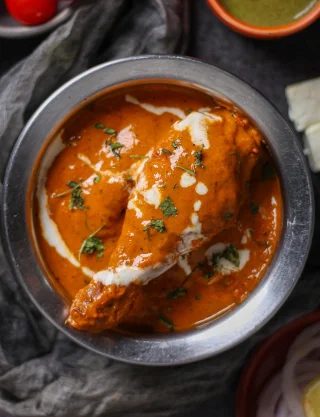




Madras Chicken
 Made in Alsace
Discover our Madras Chicken kit, where the aniseed notes of fennel meet the freshness of curry leaves, enhanced by a subtle peppery touch. A creamy, delicately spiced curry: at the crossroads of Indian and French traditions.
Ready for shipping, delivery time 3-21 business days
Delivery from €4.80 at Mondial Relay pickup points.



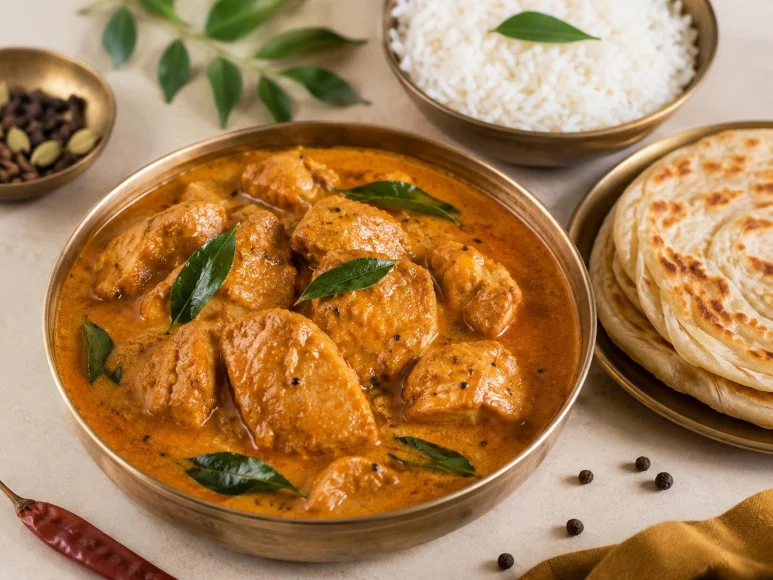
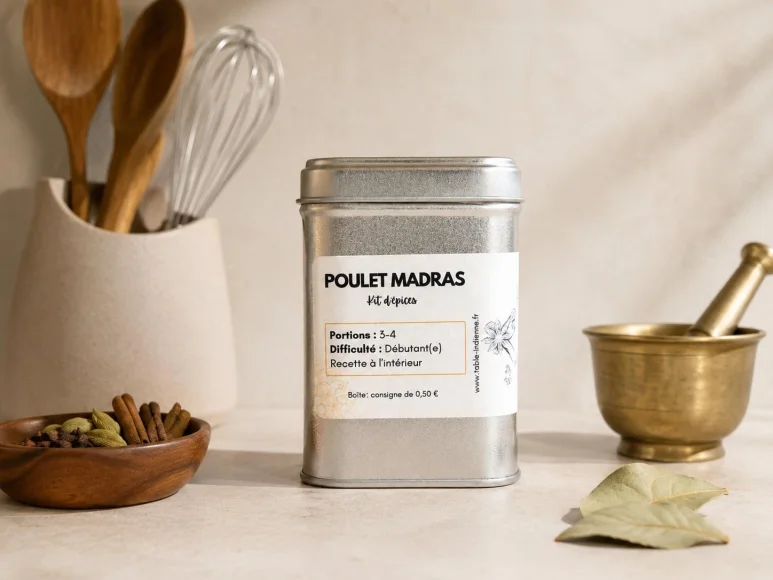
Madras Chicken
Madras Chicken (also known as Chicken Pondicherry) sits at the crossroads of Indian and French cuisine. The dish is said to have emerged directly in India, in Pondicherry (a former French trading post) where French settlers adapted the local cuisine to their own taste: a smoother, creamier, less spicy sauce, while keeping the spices typical of the Madras region.
Its smooth texture and mild spices make it the perfect dish to dip a slice of baguette into. Was this dish a French invention, or a French take on an already-existing Indian classic? The debate is still open: either way, we love the flavours!
Make sure to eat the curry leaves in this dish: they're not just aromatic, they also come with plenty of health benefits.
Our Madras Chicken kit
We provide all the spices needed to prepare this dish in this kit, which is freshly hand-prepared to order.
You will need to source the necessary fresh ingredients from your local grocery store. We believe deeply in the importance of healthy, local food and therefore recommend that you buy these fresh products from a short-circuit store near you.
As some of these spices are not grown here in France, we import them directly from India, sourced from carefully selected small Indian producers, in respect of fair trade.
To learn more about where our spices come from, please feel free to send us an email. We will be happy to answer all your questions!
Your ready-to-cook kit contains the ingredients listed below as well as a simple and practical recipe sheet, so that this dish is the best you have ever tasted.
-
 Coriander is one of the oldest spices, with evidence of its cultivation in India for thousands of years. The seeds have a warm, citrusy flavor. They are often toasted and ground into a powder, which is a staple in almost every Indian curry powder. It provides a mellow, background flavor that balances other spices.
Coriander powder
-
 Curry leaves, also known as karuveppilai or kadi patta, come from the Murraya koenigii tree, a plant native to the Indian subcontinent and Sri Lanka. The name "curry" is believed to be derived from the Tamil word "kari," which can mean sauce or soup. Curry leaves are a staple, particularly in South Indian cooking. They are rarely eaten raw and are almost always added to hot oil or ghee at the beginning of cooking to release their essential oils and aroma. This process is called tadka or tempering.
Curry leaves
-
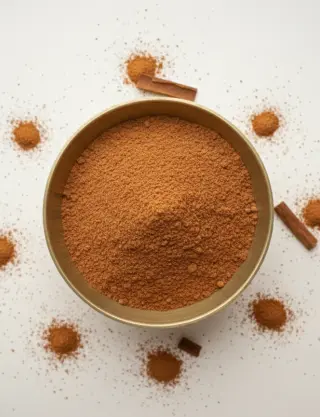
 Cinnamon is a spice obtained from the inner bark of several tree species from the genus Cinnamomum. Cinnamon is used mainly as an aromatic condiment and flavouring additive in a wide variety of cuisines, sweet and savoury dishes, biscuits, breakfast cereals, snack foods, bagels, teas, hot chocolate and traditional foods. The aroma and flavour of cinnamon derive from its essential oil and principal component, cinnamaldehyde, as well as numerous other constituents, including eugenol.
Cinnamon
-
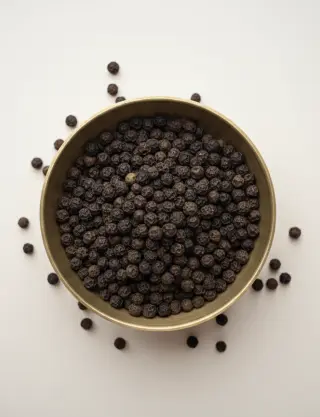
 Black pepper is native to the Malabar Coast of Southern India and was a major driver of ancient global trade. Known as the "King of Spices," black pepper adds a sharp, pungent heat to food. It is used both whole and ground in a vast range of Indian dishes, from simple curries to complex marinades.
Black pepper
-
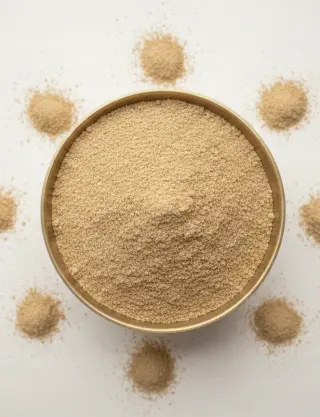
 Native to the Mediterranean, fennel has been a part of Indian culture for centuries. Fennel seeds have a sweet, licorice-like flavor. They are a common ingredient in many Indian spice blends. They are also often chewed after a meal as a natural breath freshener and digestive aid.
Fennel
-
 The lush, green mountains of Southern India are the native home of green cardamom. It is known as the "Queen of Spices." Cardamom has a sweet, floral, and highly aromatic flavor. Green pods are used whole in savory rice dishes like biryani and curries. The seeds are ground and used in desserts like kheer, and to flavor chai tea.
Cardamom
-
 As the name suggests, these chillies are a specific variety cultivated in the Kashmir region of India. Prized for their vibrant red color and mild heat, they are used to add a beautiful red hue to dishes without making them excessively spicy. They are essential for dishes like rogan josh, tandoori chicken, and various curries.
Kashmiri red chili powder
-
 Turmeric or Curcuma longa is a flowering plant in the ginger family Zingiberaceae. It is a perennial, rhizomatous, herbaceous plant native to the Indian subcontinent and Southeast Asia that requires temperatures between 20 and 30 °C (68 and 86 °F) and high annual rainfall to thrive. Plants are gathered each year for their rhizomes, some for propagation in the following season and some for consumption or dyeing.
Turmeric
The recipe requires the following ingredients that are not included in your kit, we recommend buying these ingredients locally.
-
 Chicken is the most consumed meat in India among non-vegetarians. It is prepared in multiple ways: grilled in tandoor (tandoori chicken, chicken tikka), in curry (butter chicken, chicken korma, chicken vindaloo), or fried (chicken pakora, chicken 65). Bone-in chicken is often preferred for curries as it adds more flavor to the sauce.
Chicken
-
 Lemon juice is an essential ingredient for adding acidity and freshness to Indian dishes. It is used in marinades to tenderize meat, in chutneys and pickles, and as a finishing touch on many dishes. Nimbu pani (Indian lemonade) is a popular refreshing drink throughout the country.
Lemon juice
-
 Coconut milk is an essential ingredient in South Indian and Kerala cuisine. Obtained by pressing grated coconut flesh, it brings a characteristic creaminess and sweetness to coastal curries. It is used in Kerala fish curry, stews, and many desserts like payasam.
Coconut milk
-
 Tomatoes, although introduced relatively recently to India by the Portuguese, have become a fundamental ingredient in modern Indian cuisine. They provide acidity, color, and body to curries. Tomatoes are used fresh, pureed, or canned to create the rich, flavorful sauces characteristic of dishes like butter chicken or tikka masala.
Tomatoes
-
 Onion is the aromatic base of most Indian curries. Finely sliced and slowly browned, it forms the characteristic sauce base of Indian dishes. In Indian cooking, onions are often caramelized until golden brown (birista), a technique that develops deep, sweet flavors essential to biryanis and kormas.
Onion
-
 Salt is an indispensable flavor enhancer in Indian cuisine. Besides regular table salt, India also uses kala namak (black salt), a volcanic salt with a distinctive sulfurous taste, used in chaat masala and refreshing drinks. Himalayan pink salt, mined from Pakistan, is also highly prized for its purity and minerals.
Salt
-
 Oil is an essential base ingredient in Indian cooking. Different oils are used depending on the region: mustard oil in the north and east, coconut oil in the south, and peanut oil in the west. Oil serves as the base for tadka (tempering), a technique where spices are fried in hot oil to release their aromas before being added to dishes.
Oil Optional
Recommended, but it's up to your preference -
 Ginger is native to the rainforests of Maritime Southeast Asia and is one of the first spices to have been exported from Asia. It was introduced to India very early in its history and has been cultivated there for thousands of years, becoming an integral part of both its cuisine and traditional medicine, Ayurveda. Ginger is a foundational ingredient in Indian cooking. It is a key component of the aromatic paste known as ginger-garlic paste, which forms the flavor base for countless curries, dals, and marinades. It provides a pungent, spicy, and warm flavor. Fresh ginger is also grated or julienned and added to stir-fries, and is famously used to make a soothing and spicy chai (tea).
Ginger
-
 Garlic's origins are traced back to Central Asia, where it was first cultivated. It spread from there to the Middle East and then to South Asia, becoming a staple in Indian diets since ancient times. Garlic is another essential aromatic in Indian cooking. It is most often used alongside ginger and onion to create the rich, sautéed base (bhuna) for a wide array of dishes. It provides a savory, sharp, and slightly spicy flavor that is a must-have for meat dishes, vegetable curries, and dals. It is also a key ingredient in many Indian pickles and chutneys.
Garlic
-
 Chillies were brought to India by the Portuguese, but green chillies have since become a fundamental part of the cuisine. Used to provide fresh heat and a sharp flavor, green chillies are a primary source of spiciness in Indian cooking. They can be sliced and added directly to curries, sauces, or fried alongside other spices in a Tadka.
Green chili
Table Indienne est une jeune entreprise à votre écoute, contactez nous si vous pensez que nous devrions inclure ces ingrédients dans nos kits ou bien vous les proposer en option.
| Cooking time | 40 minutes |
| Level of difficulty | Beginner |
| Spice level | Low |
| Number of servings | 4 |
| Handmade | Yes |
| Made in Alsace | Yes |

Mihika's note
Also known as Chicken Pondicherry, this dish is a true meeting point between Indian and French cultures. Its smooth texture and mild spices make it the perfect dish to dip a slice of baguette into! Was this dish a French invention, or a French take on an already-existing Indian dish? We love the flavours either way! Make sure to eat the curry leaves in this one: they come with plenty of health benefits. 🍛✨
Mihika Mahakal
Founder, Table Indienne
Spices from this kit available on our website
These spices used in this kit are available individually on our website
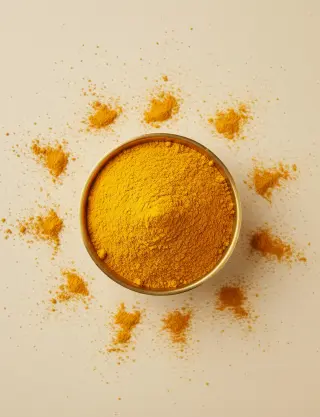
Why we created a Madras Chicken kit?

Anti-waste
Have you always wanted to cook Indian dishes, but never knew where to buy all the spices, or what to do if the result is not good? We are here to answer this problem with our kit! No need to buy spices that you will never use again, we only put the necessary amount of spices in your kit.
Authentic flavors
Our spices come directly from India. They have been carefully grown and are free of pesticides, which gives them an authentic flavor.
Step-by-step recipe and instructions
We know well that Indian recipes can be difficult to understand. We provide you with step-by-step instructions and recipes to ensure you prepare the best possible version of the dish every time!

Demystifying the facts
Do Indians use the famous "curry"?
Check out our blog article to discover why curry doesn't really exist in India.
Why buy all these spices when I can just use curry?
Check out our blog article to discover the wide variety of spices used in India.
Questions & Answers
Thank you! Your question has been sent. Mihika will answer soon and you will receive an email.
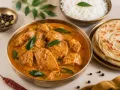
Madras Chicken
Discover also
Other products you might like
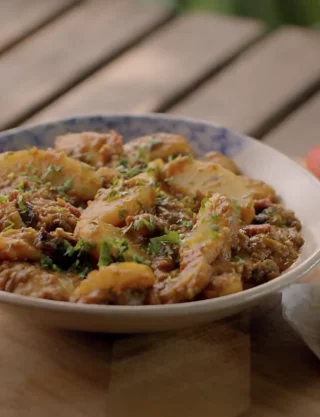
Eggplant and potatoes
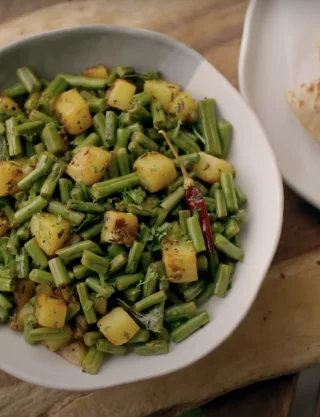
French beans and potatoes
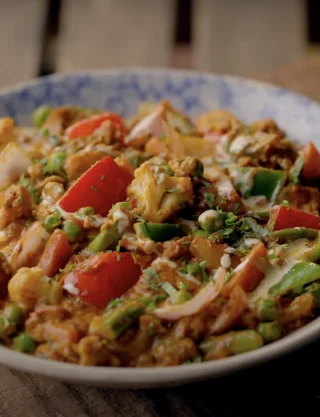
Vegetable kadhai
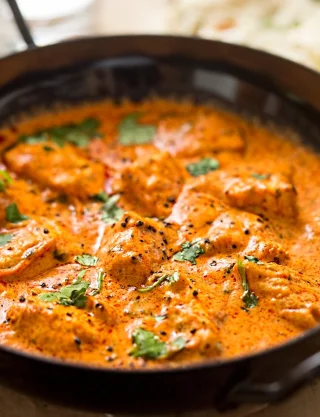
Butter chicken
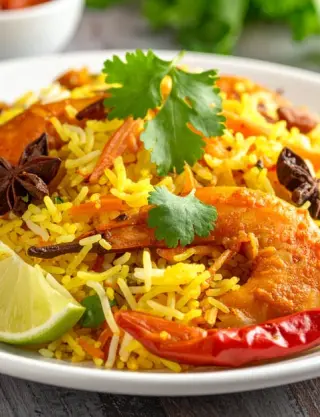
Shrimp Biryani
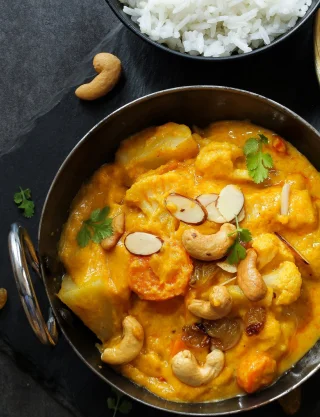
Vegetable korma
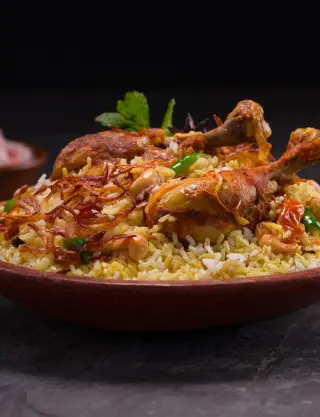
Chicken Biryani