 Made in Alsace
Discover our Spiced Rice blend, where star anise, Indian bay leaf and selected spices transform basmati rice. Every grain becomes an explosion of flavour.
Ready for shipping, delivery time 3-10 business days
Delivery from €4.80 at Mondial Relay pickup points.


Accompaniments
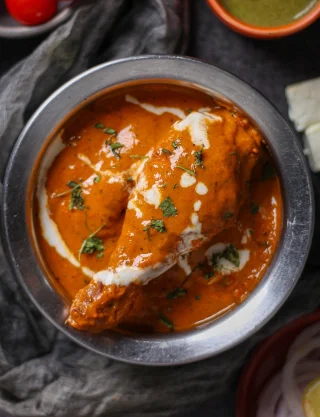
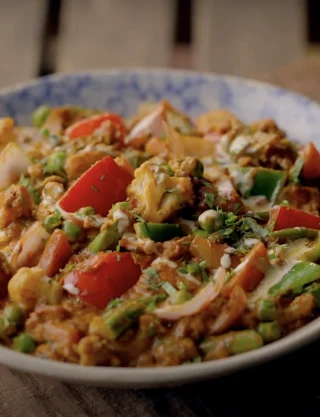
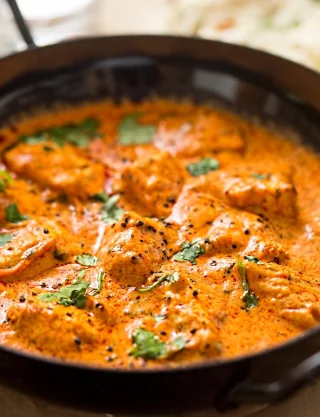
This dish will combine well with the following products.
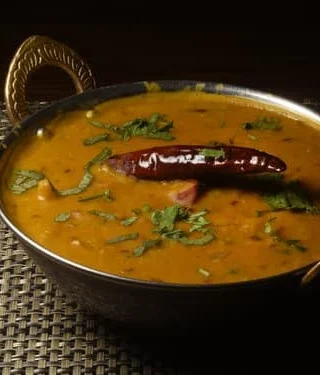


Spiced Rice
Spiced rice also known as Jeera rice, is a classic and simple rice dish that is a staple in many Indian households and a popular accompaniment in restaurants. Its beauty lies in its elegant simplicity and aromatic flavor.Basmati rice is non-negotiable in this recipe.
Unlike a Pulao or Biryani, Jeera Rice is intentionally simple. It serves as a perfect, fragrant canvas to complement rich and spicy curries like Dal Makhani, Dal Tadka, or various paneer dishes.
Our Spiced rice kit
We provide all the spices and dry ingredients needed to prepare this dish in this kit, which is freshly hand-prepared to order.
You will need to source the necessary fresh ingredients from your local grocery store. We believe deeply in the importance of healthy, local food and therefore recommend that you buy these fresh products from a short-circuit store near you.
As some of these spices are not grown here in France, we import them directly from India via our carefully selected partners in respect of fair trade.
To learn more about where our spices come from, please feel free to send us an email. We will be happy to answer all your questions!
Your ready-to-cook kit contains the ingredients listed below as well as a simple and practical recipe sheet, so that this dish is the best you have ever tasted.
-
 Cinnamon is a spice obtained from the inner bark of several tree species from the genus Cinnamomum. Cinnamon is used mainly as an aromatic condiment and flavouring additive in a wide variety of cuisines, sweet and savoury dishes, biscuits, breakfast cereals, snack foods, bagels, teas, hot chocolate and traditional foods. The aroma and flavour of cinnamon derive from its essential oil and principal component, cinnamaldehyde, as well as numerous other constituents, including eugenol.
Cinnamon
-
 The lush, green mountains of Southern India are the native home of green cardamom. It is known as the "Queen of Spices." Cardamom has a sweet, floral, and highly aromatic flavor. Green pods are used whole in savory rice dishes like biryani and curries. The seeds are ground and used in desserts like kheer, and to flavor chai tea.
Cardamom
-
 The Indian bay leaf comes from a different tree than the European variety. It is native to the Himalayan region and has been a part of Indian cooking for a very long time. It imparts a mild, cinnamon-like aroma to dishes. It is most commonly used whole and added to the oil at the start of cooking to flavor rice, stews, and a variety of curries.
Bay leaf
-
 While thought to have originated in the Middle East, cumin has been cultivated in India for millennia and is a cornerstone of Indian cooking. Cumin is used both whole and ground. The whole seeds are often fried in hot oil at the beginning of a dish (Tadka) to impart a warm, earthy aroma. Ground cumin is a key ingredient in almost all curry powders and spice blends like garam masala.
Cumin
-
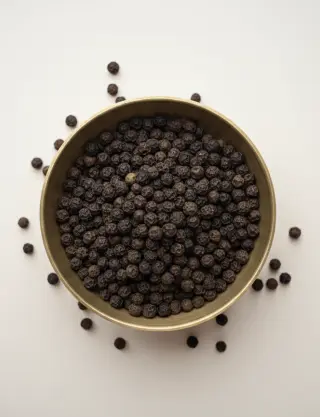
 Black pepper is native to the Malabar Coast of Southern India and was a major driver of ancient global trade. Known as the "King of Spices," black pepper adds a sharp, pungent heat to food. It is used both whole and ground in a vast range of Indian dishes, from simple curries to complex marinades.
Black pepper
-
 Basmati rice is an aromatic long-grain rice variety that originated in the foothills of the Himalayas in India and Pakistan. Known for its nutty aroma and long, slender grains, it is the preferred rice for many Indian dishes, including biryani, pulao, and as an accompaniment to curries.
Basmati rice
-
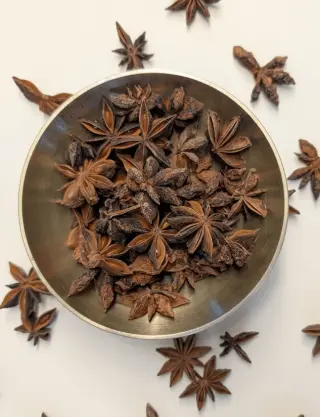
 Native to Vietnam and Southern China, star anise has been used in Indian cooking for many years, likely arriving via trade routes. Star anise has a strong licorice flavor and is a key component of garam masala and other spice blends. It is often used whole to flavor biryani and other rich, meaty dishes.
Star anise
-
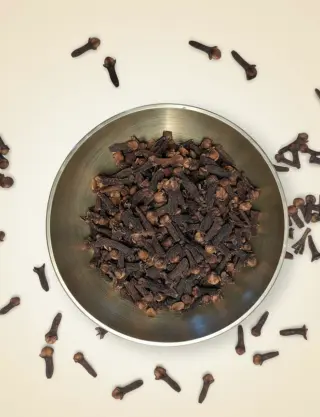
 Cloves are native to the Maluku Islands of Indonesia but have been a highly prized spice in India for centuries. Cloves have a strong, pungent, and sweet aroma. They are used whole in rice dishes and curries, and are also a key ingredient in many spice blends, including garam masala.
Cloves
The recipe requires the following ingredients that are not included in your kit, we recommend buying these ingredients locally.
-
 Oil is an essential base ingredient in Indian cooking. Different oils are used depending on the region: mustard oil in the north and east, coconut oil in the south, and peanut oil in the west. Oil serves as the base for tadka (tempering), a technique where spices are fried in hot oil to release their aromas before being added to dishes.
Oil
-
 Salt is an indispensable flavor enhancer in Indian cuisine. Besides regular table salt, India also uses kala namak (black salt), a volcanic salt with a distinctive sulfurous taste, used in chaat masala and refreshing drinks. Himalayan pink salt, mined from Pakistan, is also highly prized for its purity and minerals.
Salt
-
 Water is an essential element in preparing Indian dishes. It is used to cook rice, prepare dals, thin sauces, and adjust the consistency of curries. The quality and quantity of water added directly influences the final texture of the dish.
Water
-
 Fresh coriander, also called cilantro, is the most widely used aromatic herb in Indian cuisine. Its green, fragrant leaves bring incomparable freshness to dishes. Used as a final garnish on curries, biryanis, and chaats, it is also the main ingredient in green chutney (pudina chutney) served with samosas and pakoras.
Coriander leaves
-

Pot
Table Indienne est une jeune entreprise à votre écoute, contactez nous si vous pensez que nous devrions inclure ces ingrédients dans nos kits ou bien vous les proposer en option.
| Directly selected smallholder producers | Yes |
| Cooking time | 30 minutes |
| Level of difficulty | Beginner |
| Spice level | Low |
| Number of servings | 2 |
| Vegetarian | Yes |
| Made in Alsace | Yes |
Translated from French
Translated from French
Translated from French

Mihika's note
Also known as Jeera Rice (cumin rice), this rice is elevated here by a touch of extra secret spices. It is so fragrant that it stands on its own, but it will also be the ideal companion for all your curries or vegetable stir-fries! It is an absolute favourite in every Indian family, and soon in yours too! 🌾✨
Mihika Mahakal
Founder, Table Indienne
Spices from this kit available on our website
These spices used in this kit are available individually on our website
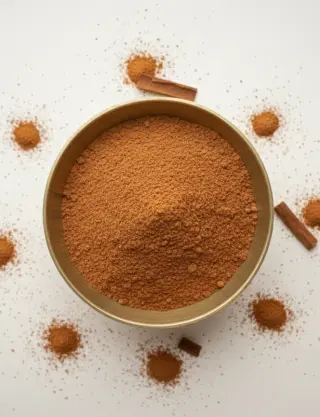
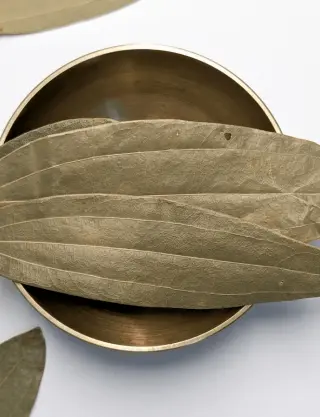
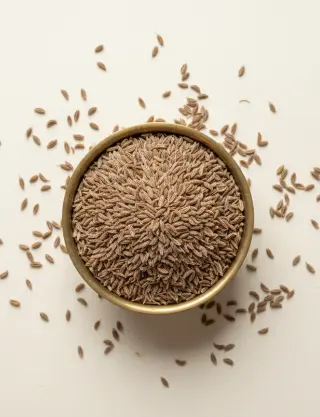

Learn more
The name says the essentials. Jeera comes from the Sanskrit jīraka, “cumin seeds”, and bhaat from the Sanskrit bhakta, “boiled rice”. In northern India it is more often called zeera chawal, chawal meaning “rice”. It is a rice and cumin dish eaten throughout India and Pakistan, most often as an everyday rice.
Nobody knows when it appeared. Culinary sources tend to link it to the Mughal era, as a lighter version of the rich pulaos of the time, and note that this way of cooking does not appear in the very ancient writings of Indian cuisine. These are cooking sources rather than historians: it is better to see this as a plausible hypothesis than as established fact. What is certain is that it is deliberately simple. Unlike pulao or biryani, it is not meant to be the main dish, but the fragrant base that accompanies rich, spicy curries.
Cumin, a very Indian spice
India alone produces about 70% of the world’s cumin (856,000 tonnes in 2020-2021), far ahead of Syria (13%), Turkey (5%) and the United Arab Emirates (3%). Cumin is an annual plant of 30 to 50 cm, drought-tolerant but frost-sensitive, sown from October to early December and harvested from February. Its worst enemy is Fusarium wilt, a fungus that can destroy up to 80% of the crop. Its “seeds” are really dry fruits with eight ridges, resembling caraway. The earliest traces are wild seeds found at Atlit-Yam, on the coast of Israel, dated to the early sixth millennium BC. The rest of its story, from Egyptian mummies to Texan chilli, is told in the guide to our cumin powder.
When “jeera” does not mean cumin
A trap for rice lovers: two Indian rices carry “jeera” in their name without containing a single cumin seed. In Chhattisgarh, jeeraphool is an ancient aromatic short-grain rice, so named because its grain is shaped like a cumin seed. It obtained a geographical indication on 14 March 2019, the first rice of the state to do so, and is used for kheer and pulao; it was once served in the royal household of the former Surguja State. In Kerala, jeerakasala, also called kaima, is the traditional rice of Thalassery and Malabar biryani: an aromatic short-grain rice whose grains stay separate. Its name is generally linked to the look of its small grains, close to a cumin seed. We talk about this Malabar tradition in the guide to our shrimp biryani, inspired by the coast.
Did you know?
In northern India and Pakistan, cumin is very often paired with coriander, so much so that the mixture has a name, dhana jeera.
| Characteristic | Detail |
|---|---|
| Dish | Cumin rice (jeera bhaat, zeera chawal) |
| Rice | Basmati, long-grain, essential |
| Spices | Cumin seeds (Cuminum cyminum, Apiaceae family), with whole spices |
| Cooking | About 30 minutes, for 2 people |
| Diet | Vegetarian |
Our kit is prepared by hand, to order, to guarantee its freshness. It contains the basmati rice, the cumin seeds and whole spices (cinnamon, cardamom, clove, star anise, black pepper and bay leaf); you bring the oil, salt, water and fresh coriander. Some of the spices, which do not grow in France, are imported directly from India through our partners.
The technique: a tempering for rice
- The cumin seeds are first thrown into very hot oil or ghee until they crackle and scent the pan
- The basmati rice and salt are added, then the water
- It is brought to the boil over high heat with a lid, then steamed over low heat until the water is absorbed
It is the same principle as the tadka of a dal, applied to rice: the spice releases its oils into the hot fat before flavouring the dish.
Spiced rice is a fragrant, warm and slightly earthy rice, which cumin signs without overwhelming. The main aroma compound in cumin’s essential oil is cuminaldehyde, and it is what gives that recognisable note as soon as the seeds heat in the fat.
The basmati grains stay long, separate and soft. The dish is deliberately discreet: it leaves the starring role to the curries and dals that accompany it.
Preparing the kit
- Allow about 30 minutes, for 2 people
- For the fresh ingredients to buy, the quantities and the precise method, follow the instructions in the kit
- Serve piping hot, after a few minutes’ rest
Cooking your grains well
- Rinse the rice until the water runs clear, to remove surface starch
- Let the cumin crackle without burning it: it should smell good, not scorched
- Do not lift the lid during the steam cooking, then fluff with a fork
Taking it further
- Sprinkle with finely chopped fresh coriander leaves, the most common garnish
- In some hotels and restaurants it is served with onion rings instead
- For a stronger flavour, add a pinch of cumin powder or pair cumin with coriander, as in dhana jeera
What to serve it with
Spiced rice is the fragrant base that goes with rich, spicy curries: dal makhani, dal tadka or various paneer dishes. It also goes very well with our dal premix. A good basmati rice remains essential.
Storage advice
- Keep the pouch closed, somewhere dry, away from heat, light and humidity
- The kit is prepared to order: use it without leaving it too long, following the instructions on the pouch
- Once the pouch is open, reseal it well to preserve the fragrance of the spices and the freshness of the rice
Allergens
If you have any allergies, check the label on the pouch and let us know your allergens when you place your order.
What does jeera rice mean?
Jeera comes from the Sanskrit jīraka, “cumin seeds”, and bhaat, “boiled rice”. Jeera rice is therefore cumin rice. In northern India it is also called zeera chawal.
Does jeera rice always contain cumin?
The dish does. But two Indian rices carry “jeera” in their name without containing cumin: jeeraphool from Chhattisgarh and jeerakasala (kaima) from Kerala, so named because of the shape of their grains.
What is the difference between spiced rice and pulao?
Spiced rice is deliberately simple and is served as a side. Pulao is richer, with vegetables and whole spices, and can be eaten as a dish in its own right.
Should it be ghee or oil?
Both work. The cumin is thrown into very hot oil or ghee until it crackles, before the rice is added.
What do you serve spiced rice with?
With rich, spicy curries: dal makhani, dal tadka, paneer dishes. It also makes a fragrant base for a dal premix.
Does this kit contain allergens?
Check the label on the pouch and tell us your allergens when you place your order: we will answer precisely.
-
The name says the essentials. Jeera comes from the Sanskrit jīraka, “cumin seeds”, and bhaat from the Sanskrit bhakta, “boiled rice”. In northern India it is more often called zeera chawal, chawal meaning “rice”. It is a rice and cumin dish eaten throughout India and Pakistan, most often as an everyday rice.
Nobody knows when it appeared. Culinary sources tend to link it to the Mughal era, as a lighter version of the rich pulaos of the time, and note that this way of cooking does not appear in the very ancient writings of Indian cuisine. These are cooking sources rather than historians: it is better to see this as a plausible hypothesis than as established fact. What is certain is that it is deliberately simple. Unlike pulao or biryani, it is not meant to be the main dish, but the fragrant base that accompanies rich, spicy curries.
Cumin, a very Indian spice
India alone produces about 70% of the world’s cumin (856,000 tonnes in 2020-2021), far ahead of Syria (13%), Turkey (5%) and the United Arab Emirates (3%). Cumin is an annual plant of 30 to 50 cm, drought-tolerant but frost-sensitive, sown from October to early December and harvested from February. Its worst enemy is Fusarium wilt, a fungus that can destroy up to 80% of the crop. Its “seeds” are really dry fruits with eight ridges, resembling caraway. The earliest traces are wild seeds found at Atlit-Yam, on the coast of Israel, dated to the early sixth millennium BC. The rest of its story, from Egyptian mummies to Texan chilli, is told in the guide to our cumin powder.
When “jeera” does not mean cumin
A trap for rice lovers: two Indian rices carry “jeera” in their name without containing a single cumin seed. In Chhattisgarh, jeeraphool is an ancient aromatic short-grain rice, so named because its grain is shaped like a cumin seed. It obtained a geographical indication on 14 March 2019, the first rice of the state to do so, and is used for kheer and pulao; it was once served in the royal household of the former Surguja State. In Kerala, jeerakasala, also called kaima, is the traditional rice of Thalassery and Malabar biryani: an aromatic short-grain rice whose grains stay separate. Its name is generally linked to the look of its small grains, close to a cumin seed. We talk about this Malabar tradition in the guide to our shrimp biryani, inspired by the coast.
Did you know?
In northern India and Pakistan, cumin is very often paired with coriander, so much so that the mixture has a name, dhana jeera.
-
Characteristic Detail Dish Cumin rice (jeera bhaat, zeera chawal) Rice Basmati, long-grain, essential Spices Cumin seeds (Cuminum cyminum, Apiaceae family), with whole spices Cooking About 30 minutes, for 2 people Diet Vegetarian Our kit is prepared by hand, to order, to guarantee its freshness. It contains the basmati rice, the cumin seeds and whole spices (cinnamon, cardamom, clove, star anise, black pepper and bay leaf); you bring the oil, salt, water and fresh coriander. Some of the spices, which do not grow in France, are imported directly from India through our partners.
The technique: a tempering for rice
- The cumin seeds are first thrown into very hot oil or ghee until they crackle and scent the pan
- The basmati rice and salt are added, then the water
- It is brought to the boil over high heat with a lid, then steamed over low heat until the water is absorbed
It is the same principle as the tadka of a dal, applied to rice: the spice releases its oils into the hot fat before flavouring the dish.
-
Spiced rice is a fragrant, warm and slightly earthy rice, which cumin signs without overwhelming. The main aroma compound in cumin’s essential oil is cuminaldehyde, and it is what gives that recognisable note as soon as the seeds heat in the fat.
The basmati grains stay long, separate and soft. The dish is deliberately discreet: it leaves the starring role to the curries and dals that accompany it.
-
Preparing the kit
- Allow about 30 minutes, for 2 people
- For the fresh ingredients to buy, the quantities and the precise method, follow the instructions in the kit
- Serve piping hot, after a few minutes’ rest
Cooking your grains well
- Rinse the rice until the water runs clear, to remove surface starch
- Let the cumin crackle without burning it: it should smell good, not scorched
- Do not lift the lid during the steam cooking, then fluff with a fork
Taking it further
- Sprinkle with finely chopped fresh coriander leaves, the most common garnish
- In some hotels and restaurants it is served with onion rings instead
- For a stronger flavour, add a pinch of cumin powder or pair cumin with coriander, as in dhana jeera
What to serve it with
Spiced rice is the fragrant base that goes with rich, spicy curries: dal makhani, dal tadka or various paneer dishes. It also goes very well with our dal premix. A good basmati rice remains essential.
-
Storage advice
- Keep the pouch closed, somewhere dry, away from heat, light and humidity
- The kit is prepared to order: use it without leaving it too long, following the instructions on the pouch
- Once the pouch is open, reseal it well to preserve the fragrance of the spices and the freshness of the rice
Allergens
If you have any allergies, check the label on the pouch and let us know your allergens when you place your order.
-
What does jeera rice mean?
Jeera comes from the Sanskrit jīraka, “cumin seeds”, and bhaat, “boiled rice”. Jeera rice is therefore cumin rice. In northern India it is also called zeera chawal.
Does jeera rice always contain cumin?
The dish does. But two Indian rices carry “jeera” in their name without containing cumin: jeeraphool from Chhattisgarh and jeerakasala (kaima) from Kerala, so named because of the shape of their grains.
What is the difference between spiced rice and pulao?
Spiced rice is deliberately simple and is served as a side. Pulao is richer, with vegetables and whole spices, and can be eaten as a dish in its own right.
Should it be ghee or oil?
Both work. The cumin is thrown into very hot oil or ghee until it crackles, before the rice is added.
What do you serve spiced rice with?
With rich, spicy curries: dal makhani, dal tadka, paneer dishes. It also makes a fragrant base for a dal premix.
Does this kit contain allergens?
Check the label on the pouch and tell us your allergens when you place your order: we will answer precisely.
Why we created a Spiced rice kit?

Anti-waste
Have you always wanted to cook Indian dishes, but never knew where to buy all the spices, or what to do if the result is not good? We are here to answer this problem with our kit! No need to buy spices that you will never use again, we only put the necessary amount of spices in your kit.
Authentic flavors
Our spices come directly from India. They are carefully selected to give you an authentic flavor.
Step-by-step recipe and instructions
We know well that Indian recipes can be difficult to understand. We provide you with step-by-step instructions and recipes to ensure you prepare the best possible version of the dish every time!

Demystifying the facts
Do Indians use the famous "curry"?
Check out our blog article to discover why curry doesn't really exist in India.
Why buy all these spices when I can just use curry?
Check out our blog article to discover the wide variety of spices used in India.
Questions & Answers
Thank you! Your question has been sent. Mihika will answer soon and you will receive an email.

Spiced rice
You might also like
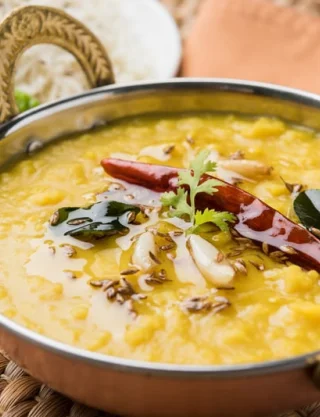
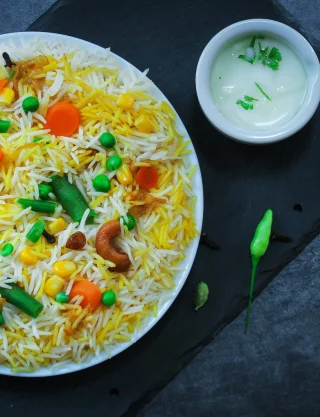
Vegtable pulao
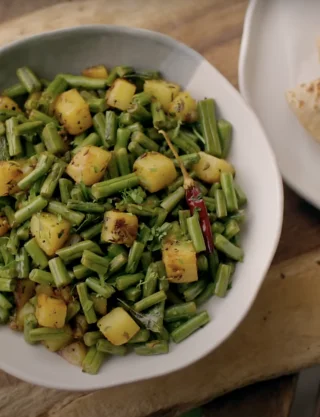
French beans and potatoes
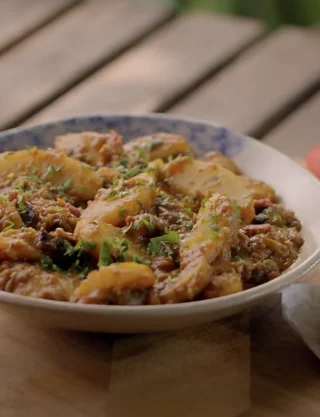
Eggplant and potatoes