



 Made in Alsace
Discover our Vegetable Kadhai kit and master the art of toasting and grinding spices like coriander and cumin. Fresh spices, incomparable flavour.
Ready for shipping, delivery time 3-10 business days
Delivery from €4.80 at Mondial Relay pickup points.



Accompaniments
This dish will combine well with the following products.
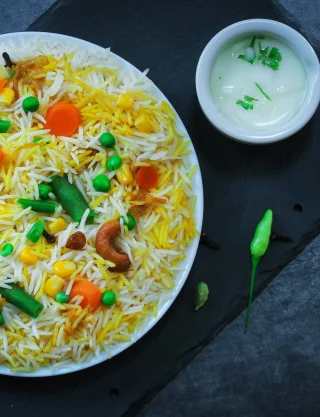
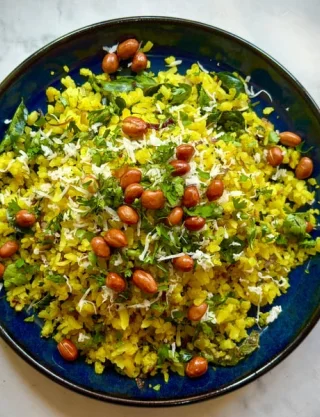
Vegtable pulao
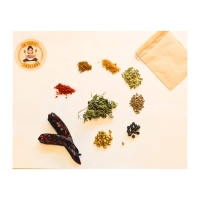
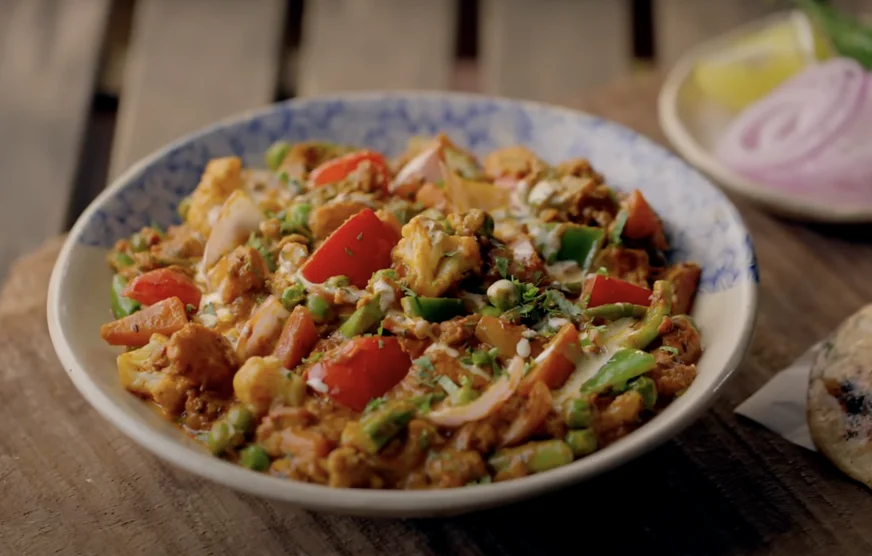
Vegetable Kadhai
Vegetable Kadhai, also known as Kadai Sabzi, is a popular vegetarian dish in India, with its name derived from the utensil it's cooked in: the kadhai, a traditional Indian wok. However, you can also cook this dish, with a pan already existing in your kitchen !
The Kadai Masala is a freshly roasted and coarsely ground spice blend which defines this dish. It's a flavor profile that is distinct from the more common Garam Masala.
The preparation of Veg Kadhai is a distinct process that focuses on creating a unique, aromatic spice blend and preserving the texture of the vegetables. This dish is best served with spiced rice, roti or naan !
Our Vegetable Kadhai kit
We provide all the spices and dry ingredients needed to prepare this dish in this kit, which is freshly hand-prepared to order.
You will need to source the necessary fresh ingredients from your local grocery store. We believe deeply in the importance of healthy, local food and therefore recommend that you buy these fresh products from a short-circuit store near you.
As some of these spices are not grown here in France, we import them directly from India via our carefully selected partners in respect of fair trade.
To learn more about where our spices come from, please feel free to send us an email. We will be happy to answer all your questions!
Your ready-to-cook kit contains the ingredients listed below as well as a simple and practical recipe sheet, so that this dish is the best you have ever tasted.
-
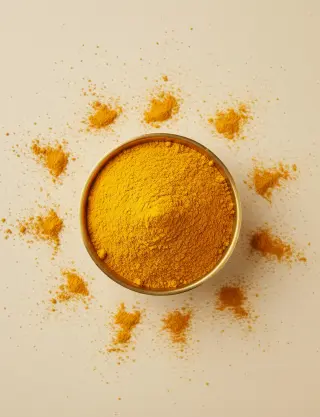
 Turmeric or Curcuma longa is a flowering plant in the ginger family Zingiberaceae. It is a perennial, rhizomatous, herbaceous plant native to the Indian subcontinent and Southeast Asia that requires temperatures between 20 and 30 °C (68 and 86 °F) and high annual rainfall to thrive. Plants are gathered each year for their rhizomes, some for propagation in the following season and some for consumption or dyeing.
Turmeric
-
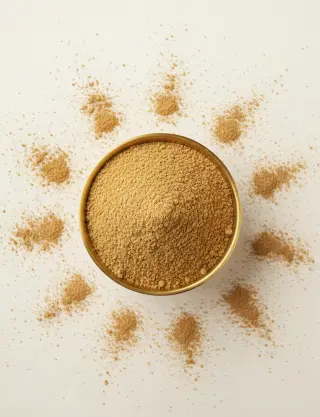
 Garam masala, which translates to "hot spice mix" in Hindi, is a blend of ground spices that originated in North India. The name "hot" refers to the warming effect the spices are believed to have on the body according to Ayurvedic medicine, rather than the spiciness from chili peppers. The composition of garam masala varies greatly by region, and even from one household to another. Garam masala is a versatile spice blend used to enhance the flavor and aroma of a wide variety of Indian dishes. It's often used as a finishing spice, added toward the end of cooking to preserve its potent fragrance. It can also be used in marinades or as a dry rub for meats. Garam masala differs from other Indian spice blends like curry powder. Curry powder was a blend created for British colonizers to mimic Indian flavors, and it typically contains turmeric, which gives it a yellow color. Garam masala, on the other hand, does not usually contain turmeric and is a traditional part of Indian culinary heritage.
Garam Masala
-
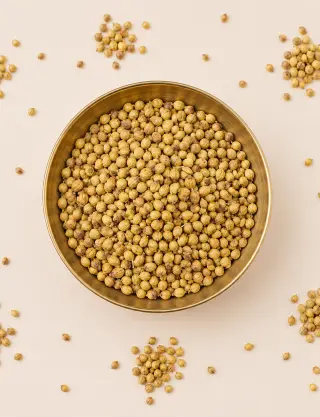
 The dried seeds have a warm, citrusy, and nutty flavor that intensifies when toasted. They are a fundamental ingredient in many Indian spice blends, such as garam masala and curry powder. Whole seeds are often used in tempering (tadka), where they are fried in hot oil or ghee to release their aroma before other ingredients are added.In addition to their culinary uses, coriander has a long history in Ayurvedic medicine where it is valued for its digestive and cooling properties.
Coriander seeds
-
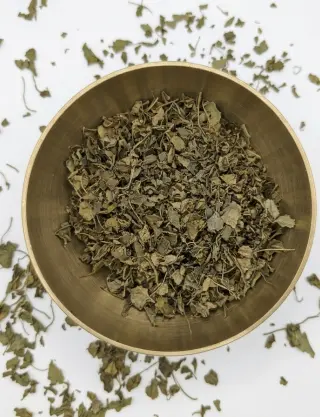
 Fenugreek is a plant cultivated throughout India, and the leaves are dried to create this aromatic spice. These dried leaves have a slightly bitter and savory flavor. They are typically crushed between the palms and sprinkled into a dish toward the end of cooking to add a distinctive nutty, savory aroma, especially in curries and lentil dishes.
Dried fenugreek leaves
-
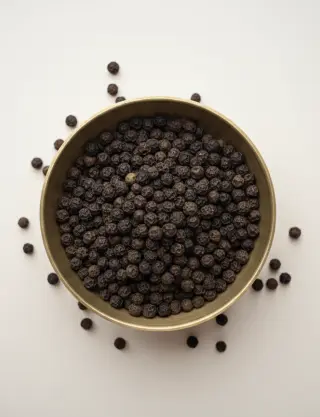
 Black pepper is native to the Malabar Coast of Southern India and was a major driver of ancient global trade. Known as the "King of Spices," black pepper adds a sharp, pungent heat to food. It is used both whole and ground in a vast range of Indian dishes, from simple curries to complex marinades.
Black pepper
-
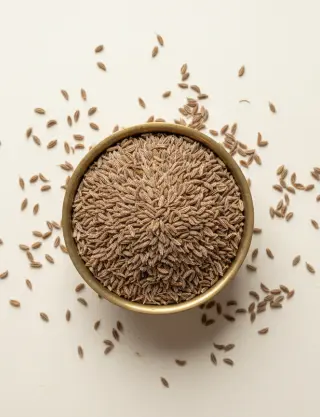
 While thought to have originated in the Middle East, cumin has been cultivated in India for millennia and is a cornerstone of Indian cooking. Cumin is used both whole and ground. The whole seeds are often fried in hot oil at the beginning of a dish (Tadka) to impart a warm, earthy aroma. Ground cumin is a key ingredient in almost all curry powders and spice blends like garam masala.
Cumin
-
 Indian whole dried red chillies can be used entirely or make into a powder along with other spices to give a specific aroma and taste. They are used in multiple dishes ranging from tadka to gravies and many other dishes. It is one of the most commonly used spice in indian cuisine.
Whole dried red chillies
-
 Native to the Mediterranean, fennel has been a part of Indian culture for centuries. Fennel seeds have a sweet, licorice-like flavor. They are a common ingredient in many Indian spice blends. They are also often chewed after a meal as a natural breath freshener and digestive aid.
Fennel
-
 As the name suggests, these chillies are a specific variety cultivated in the Kashmir region of India. Prized for their vibrant red color and mild heat, they are used to add a beautiful red hue to dishes without making them excessively spicy. They are essential for dishes like rogan josh, tandoori chicken, and various curries.
Kashmiri red chili powder
The recipe requires the following ingredients that are not included in your kit, we recommend buying these ingredients locally.
-
 Ghee, or clarified butter, is an ancient ingredient in Indian cuisine that has been used for millennia. Made by melting butter to remove water and milk proteins, ghee has a high smoke point and a rich, nutty flavor. In Ayurvedic tradition, it is considered beneficial for digestion and health. Ghee is used for cooking, frying, and enriching dishes like dal, rice, and Indian desserts.
Ghee
-
 Bell peppers, although introduced relatively recently to India, have become popular in Indo-Chinese cuisine and restaurant-style dishes. They add color and crunch to stir-fries like paneer or chicken jalfrezi. Stuffed peppers (bharwa shimla mirch) are also enjoyed in home cooking.
Bell pepper
-
 Fresh cream is used in modern Indian cooking and restaurant-style dishes to add richness and smoothness. It is added to creamy curries like butter chicken, korma, and malai kofta. Cream also tempers the heat of spices and gives sauces their characteristic velvety texture.
Cream
-
 Cauliflower is one of the most popular vegetables in Indian cuisine, particularly in North India. Aloo gobi (cauliflower with potatoes) is an iconic vegetarian dish. Gobi manchurian, fried cauliflower in Indo-Chinese sauce, is a popular street food. Cauliflower is also used in pickles and pakoras.
Cauliflower
-
 Green beans are a commonly used vegetable in Indian cuisine, particularly in South Indian vegetable curries. Beans poriyal (beans sautéed with coconut) is a classic side dish from Tamil Nadu. Beans are also used in sambars and Kerala's aviyal.
French beans
-
 Carrots are used in many Indian dishes, both sweet and savory. They are included in mixed vegetable curries and pickles. Gajar ka halwa, a traditional dessert made from grated carrots cooked in milk and ghee with nuts and cardamom, is particularly popular during winter festivals.
Carrots
-
 Fresh coriander, also called cilantro, is the most widely used aromatic herb in Indian cuisine. Its green, fragrant leaves bring incomparable freshness to dishes. Used as a final garnish on curries, biryanis, and chaats, it is also the main ingredient in green chutney (pudina chutney) served with samosas and pakoras.
Coriander leaves
-
 Water is an essential element in preparing Indian dishes. It is used to cook rice, prepare dals, thin sauces, and adjust the consistency of curries. The quality and quantity of water added directly influences the final texture of the dish.
Water
-
 Tomatoes, although introduced relatively recently to India by the Portuguese, have become a fundamental ingredient in modern Indian cuisine. They provide acidity, color, and body to curries. Tomatoes are used fresh, pureed, or canned to create the rich, flavorful sauces characteristic of dishes like butter chicken or tikka masala.
Tomatoes
-
 Onion is the aromatic base of most Indian curries. Finely sliced and slowly browned, it forms the characteristic sauce base of Indian dishes. In Indian cooking, onions are often caramelized until golden brown (birista), a technique that develops deep, sweet flavors essential to biryanis and kormas.
Onion
-
 Peas are a highly valued vegetable in Indian cuisine, particularly in vegetarian dishes from North India. They are the main ingredient in matar paneer (peas with fresh cheese) and aloo matar (potatoes with peas). Their natural sweetness perfectly balances the spices in curries.
Green peas
-
 Salt is an indispensable flavor enhancer in Indian cuisine. Besides regular table salt, India also uses kala namak (black salt), a volcanic salt with a distinctive sulfurous taste, used in chaat masala and refreshing drinks. Himalayan pink salt, mined from Pakistan, is also highly prized for its purity and minerals.
Salt
-
 Ginger is native to the rainforests of Maritime Southeast Asia and is one of the first spices to have been exported from Asia. It was introduced to India very early in its history and has been cultivated there for thousands of years, becoming an integral part of both its cuisine and traditional medicine, Ayurveda. Ginger is a foundational ingredient in Indian cooking. It is a key component of the aromatic paste known as ginger-garlic paste, which forms the flavor base for countless curries, dals, and marinades. It provides a pungent, spicy, and warm flavor. Fresh ginger is also grated or julienned and added to stir-fries, and is famously used to make a soothing and spicy chai (tea).
Ginger
-
 Garlic's origins are traced back to Central Asia, where it was first cultivated. It spread from there to the Middle East and then to South Asia, becoming a staple in Indian diets since ancient times. Garlic is another essential aromatic in Indian cooking. It is most often used alongside ginger and onion to create the rich, sautéed base (bhuna) for a wide array of dishes. It provides a savory, sharp, and slightly spicy flavor that is a must-have for meat dishes, vegetable curries, and dals. It is also a key ingredient in many Indian pickles and chutneys.
Garlic
Table Indienne est une jeune entreprise à votre écoute, contactez nous si vous pensez que nous devrions inclure ces ingrédients dans nos kits ou bien vous les proposer en option.
| Directly selected smallholder producers | Yes |
| Cooking time | 60 minutes |
| Level of difficulty | Intermediate |
| Spice level | Medium |
| Number of servings | 4 |
| Vegetarian | Yes |
| Possible traces of allergens | Preparation contains : peanuts, wheat, milk, sesame, mustard, cashew nuts |
| Made in Alsace | Yes |
Translated from French
Spices from this kit available on our website
These spices used in this kit are available individually on our website
Learn more
The vegetable Kadhai dish, or Kadhai Sabzi, is a vegetarian classic that is very popular in India. It takes its name from the utensil it is cooked in: the kadhai, or karahi, a thick, round, deep vessel, shaped like a wok with steeper sides. But it can also be prepared with a frying pan you already have in your kitchen.
The kadhai is a very ancient utensil. A similar vessel is mentioned in the Vedas under the name bharjanapatra, and the present-day word comes from the Prakrit kataha, found in texts such as the Ramayana and the Sushruta Samhita. In Sanskrit, kaṭāha means a frying pan, a basin or a cauldron. It is traditionally made of mild steel or wrought iron, and today it is also made in stainless steel, copper or with a non-stick coating.
One utensil, a thousand uses
The kadhai is best known for simmering stews, of chicken, beef, mutton, goat or lamb, and stews with paneer or tofu are increasingly popular there among vegetarians. It is also used for frying, potatoes, samosas, fish or papadams, and an upturned kadhai is even used to cook rumali roti. Its name varies: kadai, karahi, karai, kadahi, kadhai, korai or cheena chatti depending on the region. The larger karah is used to boil milk and thicken cream.
Kadhai masala, a blend of its own
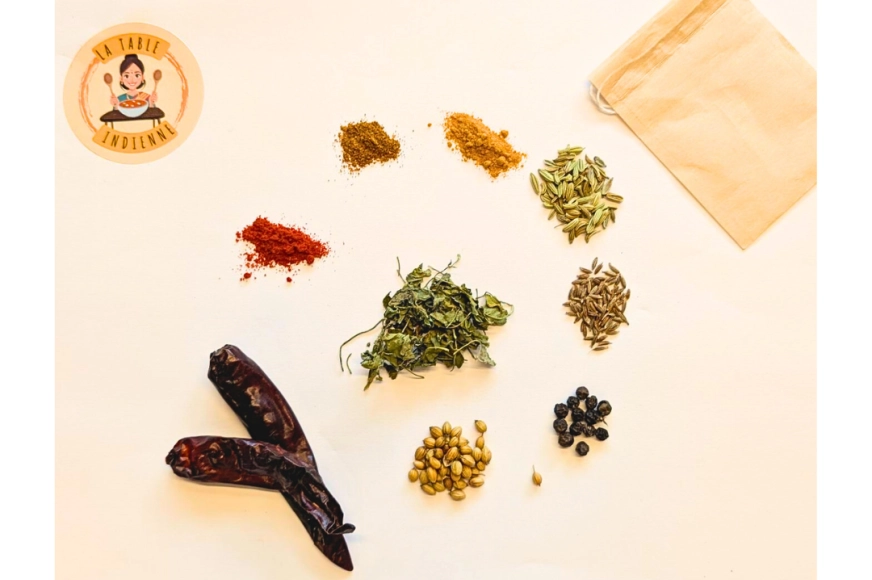
What characterises this dish is its blend of freshly roasted, coarsely ground spices, kadhai masala. Its aromatic profile is distinct from that of the more common garam masala. In our kit, it rests notably on whole coriander seeds, fennel, cumin, black pepper and whole dried red chilli, to which are added dried fenugreek, Kashmiri chilli and turmeric. The preparation of the kadhai aims to create this unique blend while preserving the texture of the vegetables.
Did you know?
Roasting whole spices then grinding them coarsely, instead of reducing them to a fine powder, gives a rougher, more fragrant masala that lets you taste each spice. That is what separates kadhai masala from a simple powdered blend.
| Characteristic | Detail |
|---|---|
| Dish | Vegetable Kadhai (Kadhai Sabzi), vegetarian dish |
| Utensil | The kadhai, Indian wok, or a frying pan |
| Blend | Kadhai masala, roasted and coarsely ground |
| Cooking | About 70 minutes, for 4 people |
Our kit is prepared by hand, to order, to guarantee its freshness. Some of the spices, which do not grow in France, are imported directly from India through our partners.
What your kit contains
| In the kit | Role in the dish |
|---|---|
| Coriander seeds | The base of the masala, with a warm citrus fragrance |
| Fennel and cumin | The aniseed and earthy fragrance |
| Black pepper, whole dried red chilli and Kashmiri chilli | The heat |
| Dried fenugreek, turmeric and garam masala | The bitter-honeyed note, the colour and the finish |
What you need to bring
- Fresh vegetables: peppers, cauliflower, beans, carrots, peas
- Tomatoes, an onion, garlic and ginger
- Cream, ghee, fresh coriander, water and salt
Vegetable Kadhai is vivid and fragrant: the coarsely ground masala lets you taste each spice, the coriander and fennel, then the heat of the pepper and chilli. The vegetables keep their texture, tender but never mushy, coated in a thick sauce lifted by the tomato.
It is a more rustic and more direct dish than a creamy curry, with the bitter, honeyed note of fenugreek in the background.
Preparing the kit
- Allow about 70 minutes, for 4 people
- For the fresh vegetables to buy, the quantities and the precise method, follow the instructions in the kit
- Serve piping hot
To keep the vegetables crunchy
- Cut the vegetables into pieces of fairly even size so that they cook together
- Add first those that take longest to cook (carrots, cauliflower), then the most tender (peppers, peas)
- Let the masala roast for a moment in the hot fat, without burning it, before adding the tomatoes
What to pair it with
This dish goes ideally with spiced rice, roti or naan. Try it with our spiced rice, our vegetable pulao or a dal tadka.
Storage tips
- Keep the pouch closed, in a dry place, away from heat, light and humidity
- The kit is prepared to order: use it without leaving it too long, following the instructions on the pouch
- Once the pouch is open, close it well again to preserve the fragrance of the spices
Allergens
This preparation contains peanuts, wheat, milk, sesame, mustard and cashew nuts. If you have allergies, check the label on the pouch and tell us your allergens when you order.
What is a kadhai?
It is a thick, round, deep vessel, shaped like a wok with steeper sides, used in India and throughout South Asia for simmering and frying. It is also written karahi or kadai.
Do you absolutely need a kadhai?
No: a deep frying pan or a wok that you already have in your kitchen works very well.
What is the difference between kadhai masala and garam masala?
Kadhai masala is a blend of freshly roasted, coarsely ground spices, with a profile distinct from that of the more common garam masala.
Is the dish vegetarian?
Yes, it is a vegetarian dish that is very popular in India. It is also made with paneer.
Does this kit contain allergens?
Yes: the preparation contains peanuts, wheat, milk, sesame, mustard and cashew nuts. Check the label on the pouch and tell us your allergens when you order.
What should you serve vegetable Kadhai with?
With spiced rice, roti or naan.
-
The vegetable Kadhai dish, or Kadhai Sabzi, is a vegetarian classic that is very popular in India. It takes its name from the utensil it is cooked in: the kadhai, or karahi, a thick, round, deep vessel, shaped like a wok with steeper sides. But it can also be prepared with a frying pan you already have in your kitchen.
The kadhai is a very ancient utensil. A similar vessel is mentioned in the Vedas under the name bharjanapatra, and the present-day word comes from the Prakrit kataha, found in texts such as the Ramayana and the Sushruta Samhita. In Sanskrit, kaṭāha means a frying pan, a basin or a cauldron. It is traditionally made of mild steel or wrought iron, and today it is also made in stainless steel, copper or with a non-stick coating.
One utensil, a thousand uses
The kadhai is best known for simmering stews, of chicken, beef, mutton, goat or lamb, and stews with paneer or tofu are increasingly popular there among vegetarians. It is also used for frying, potatoes, samosas, fish or papadams, and an upturned kadhai is even used to cook rumali roti. Its name varies: kadai, karahi, karai, kadahi, kadhai, korai or cheena chatti depending on the region. The larger karah is used to boil milk and thicken cream.
Kadhai masala, a blend of its own
What characterises this dish is its blend of freshly roasted, coarsely ground spices, kadhai masala. Its aromatic profile is distinct from that of the more common garam masala. In our kit, it rests notably on whole coriander seeds, fennel, cumin, black pepper and whole dried red chilli, to which are added dried fenugreek, Kashmiri chilli and turmeric. The preparation of the kadhai aims to create this unique blend while preserving the texture of the vegetables.
Did you know?
Roasting whole spices then grinding them coarsely, instead of reducing them to a fine powder, gives a rougher, more fragrant masala that lets you taste each spice. That is what separates kadhai masala from a simple powdered blend.
-
Characteristic Detail Dish Vegetable Kadhai (Kadhai Sabzi), vegetarian dish Utensil The kadhai, Indian wok, or a frying pan Blend Kadhai masala, roasted and coarsely ground Cooking About 70 minutes, for 4 people Our kit is prepared by hand, to order, to guarantee its freshness. Some of the spices, which do not grow in France, are imported directly from India through our partners.
What your kit contains
In the kit Role in the dish Coriander seeds The base of the masala, with a warm citrus fragrance Fennel and cumin The aniseed and earthy fragrance Black pepper, whole dried red chilli and Kashmiri chilli The heat Dried fenugreek, turmeric and garam masala The bitter-honeyed note, the colour and the finish What you need to bring
- Fresh vegetables: peppers, cauliflower, beans, carrots, peas
- Tomatoes, an onion, garlic and ginger
- Cream, ghee, fresh coriander, water and salt
-
Vegetable Kadhai is vivid and fragrant: the coarsely ground masala lets you taste each spice, the coriander and fennel, then the heat of the pepper and chilli. The vegetables keep their texture, tender but never mushy, coated in a thick sauce lifted by the tomato.
It is a more rustic and more direct dish than a creamy curry, with the bitter, honeyed note of fenugreek in the background.
-
Preparing the kit
- Allow about 70 minutes, for 4 people
- For the fresh vegetables to buy, the quantities and the precise method, follow the instructions in the kit
- Serve piping hot
To keep the vegetables crunchy
- Cut the vegetables into pieces of fairly even size so that they cook together
- Add first those that take longest to cook (carrots, cauliflower), then the most tender (peppers, peas)
- Let the masala roast for a moment in the hot fat, without burning it, before adding the tomatoes
What to pair it with
This dish goes ideally with spiced rice, roti or naan. Try it with our spiced rice, our vegetable pulao or a dal tadka.
-
Storage tips
- Keep the pouch closed, in a dry place, away from heat, light and humidity
- The kit is prepared to order: use it without leaving it too long, following the instructions on the pouch
- Once the pouch is open, close it well again to preserve the fragrance of the spices
Allergens
This preparation contains peanuts, wheat, milk, sesame, mustard and cashew nuts. If you have allergies, check the label on the pouch and tell us your allergens when you order.
-
What is a kadhai?
It is a thick, round, deep vessel, shaped like a wok with steeper sides, used in India and throughout South Asia for simmering and frying. It is also written karahi or kadai.
Do you absolutely need a kadhai?
No: a deep frying pan or a wok that you already have in your kitchen works very well.
What is the difference between kadhai masala and garam masala?
Kadhai masala is a blend of freshly roasted, coarsely ground spices, with a profile distinct from that of the more common garam masala.
Is the dish vegetarian?
Yes, it is a vegetarian dish that is very popular in India. It is also made with paneer.
Does this kit contain allergens?
Yes: the preparation contains peanuts, wheat, milk, sesame, mustard and cashew nuts. Check the label on the pouch and tell us your allergens when you order.
What should you serve vegetable Kadhai with?
With spiced rice, roti or naan.
Why we created a Vegetable kadhai kit?

Anti-waste
Have you always wanted to cook Indian dishes, but never knew where to buy all the spices, or what to do if the result is not good? We are here to answer this problem with our kit! No need to buy spices that you will never use again, we only put the necessary amount of spices in your kit.
Authentic flavors
Our spices come directly from India. They are carefully selected to give you an authentic flavor.
Step-by-step recipe and instructions
We know well that Indian recipes can be difficult to understand. We provide you with step-by-step instructions and recipes to ensure you prepare the best possible version of the dish every time!

Demystifying the facts
Do Indians use the famous "curry"?
Check out our blog article to discover why curry doesn't really exist in India.
Why buy all these spices when I can just use curry?
Check out our blog article to discover the wide variety of spices used in India.
Questions & Answers
Thank you! Your question has been sent. Mihika will answer soon and you will receive an email.

Vegetable kadhai
You might also like
Vegtable pulao
Butter chicken
French beans and potatoes