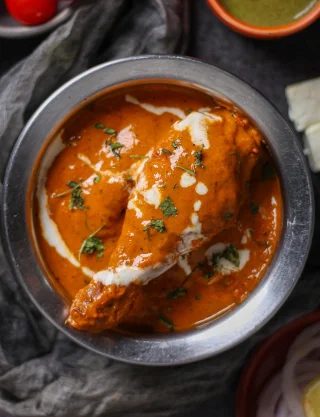




 Made in Alsace
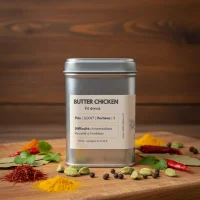
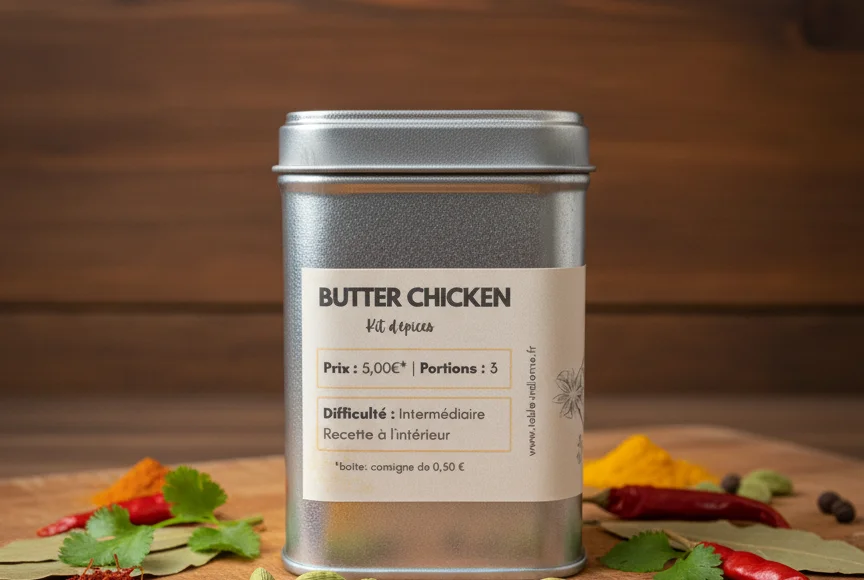
Discover our Butter Chicken kit, where the subtle heat of Kashmiri red chilli is beautifully mellowed by the delicate sweetness of cardamom. A creamy, aromatic classic: a perfectly crafted flavour experience.
Ready for shipping, delivery time 3-10 business days
Delivery from €4.80 at Mondial Relay pickup points.



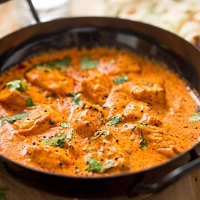
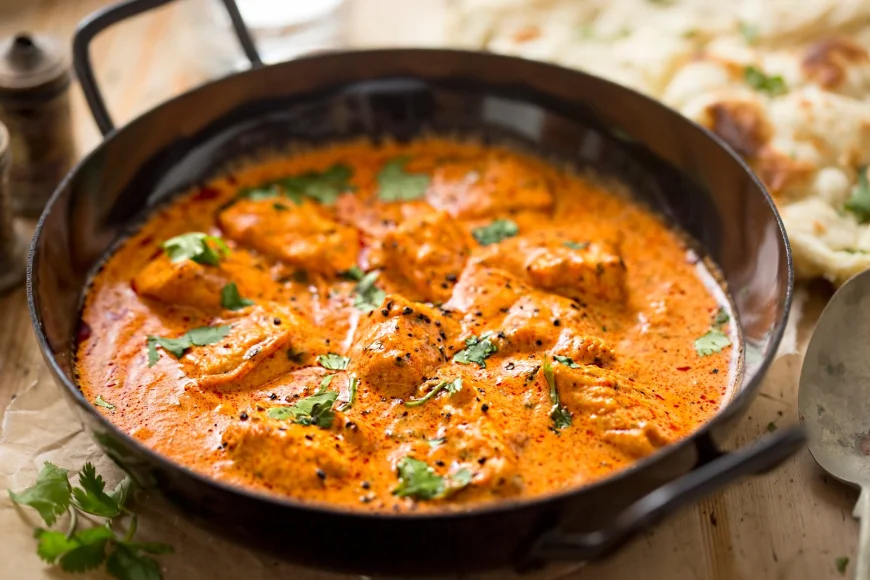
Butter Chicken
Butter chicken comes from Delhi, India. It was invented "by chance" in the 1950s in neighbourhood of Old Delhi.
The story goes that to avoid wasting unsold tandoori chicken, the chefs decided to mix it into a simple tomato and butter gravy. The result was a rich and delicious dish that not only rehydrated the chicken but also created a sensation that quickly became a global culinary icon.
Traditionally, the chicken is grilled using a special oven called the “tandoor" a cylindrical clay oven which gives it the authentic smokey flavour. Butter chicken and Chicken tikka masala are often confused. However, they are two different recipes with different origin stories.
Our recipe in the spice kit discusses some tips on how to make the most authentic indian butter chicken.
Our Butter chicken kit
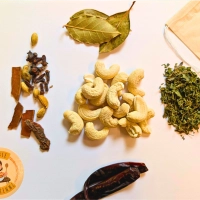
We provide all the spices and dry ingredients needed to prepare this dish in this kit, which is freshly hand-prepared to order.
You will need to source the necessary fresh ingredients from your local grocery store. We believe deeply in the importance of healthy, local food and therefore recommend that you buy these fresh products from a short-circuit store near you.
As some of these spices are not grown here in France, we import them directly from India via our carefully selected partners in respect of fair trade.
To learn more about where our spices come from, please feel free to send us an email. We will be happy to answer all your questions!
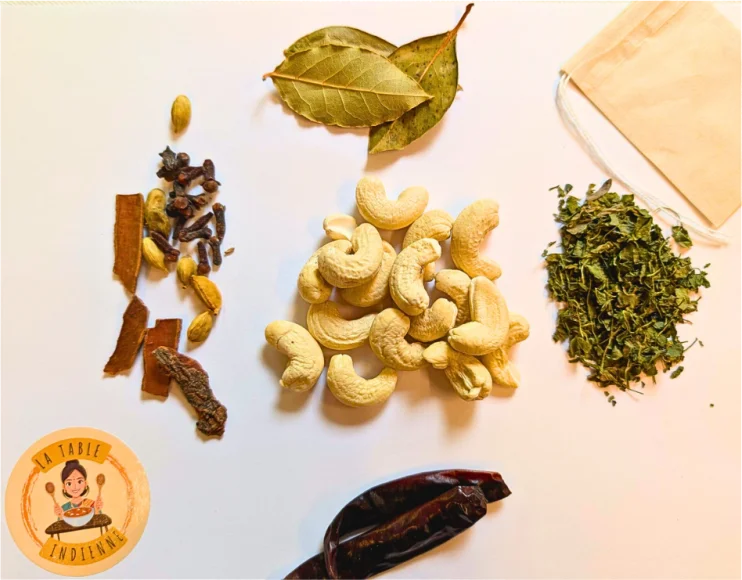
Your ready-to-cook kit contains the ingredients listed below as well as a simple and practical recipe sheet, so that this dish is the best you have ever tasted.
-
 Cinnamon is a spice obtained from the inner bark of several tree species from the genus Cinnamomum. Cinnamon is used mainly as an aromatic condiment and flavouring additive in a wide variety of cuisines, sweet and savoury dishes, biscuits, breakfast cereals, snack foods, bagels, teas, hot chocolate and traditional foods. The aroma and flavour of cinnamon derive from its essential oil and principal component, cinnamaldehyde, as well as numerous other constituents, including eugenol.
Cinnamon
-
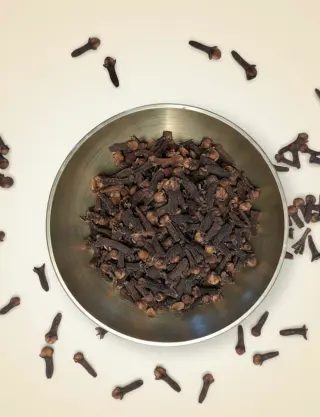
 Cloves are native to the Maluku Islands of Indonesia but have been a highly prized spice in India for centuries. Cloves have a strong, pungent, and sweet aroma. They are used whole in rice dishes and curries, and are also a key ingredient in many spice blends, including garam masala.
Cloves
-
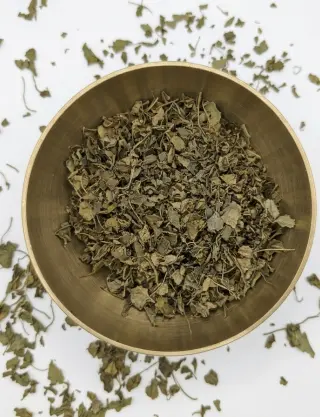
 Fenugreek is a plant cultivated throughout India, and the leaves are dried to create this aromatic spice. These dried leaves have a slightly bitter and savory flavor. They are typically crushed between the palms and sprinkled into a dish toward the end of cooking to add a distinctive nutty, savory aroma, especially in curries and lentil dishes.
Dried fenugreek leaves
-
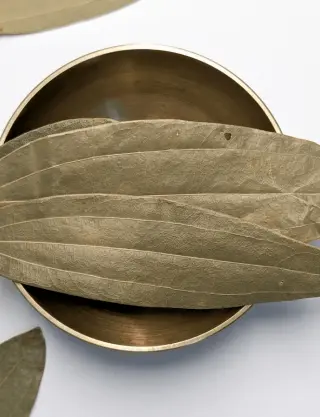
 The Indian bay leaf comes from a different tree than the European variety. It is native to the Himalayan region and has been a part of Indian cooking for a very long time. It imparts a mild, cinnamon-like aroma to dishes. It is most commonly used whole and added to the oil at the start of cooking to flavor rice, stews, and a variety of curries.
Bay leaf
-
 As the name suggests, these chillies are a specific variety cultivated in the Kashmir region of India. Prized for their vibrant red color and mild heat, they are used to add a beautiful red hue to dishes without making them excessively spicy. They are essential for dishes like rogan josh, tandoori chicken, and various curries.
Kashmiri red chili powder
-
 Cashew nuts were not originally native to India but were introduced by the Portuguese in the 16th century. They brought the cashew tree from its native region in Eastern Brazil to Goa, India, where it was initially used for afforestation and soil binding to prevent erosion. The tree thrived in India's coastal climate and soil, and its commercial importance was recognized later, leading to its widespread cultivation. India is now one of the world's largest producers, processors, and exporters of cashews. Cashews, known as "kaju," are a versatile and integral ingredient in Indian cuisine, valued for their creamy texture and rich flavor. They are used in both sweet and savory dishes, often to add richness, body, and a nutty taste.
Cashew nuts
-
 The lush, green mountains of Southern India are the native home of green cardamom. It is known as the "Queen of Spices." Cardamom has a sweet, floral, and highly aromatic flavor. Green pods are used whole in savory rice dishes like biryani and curries. The seeds are ground and used in desserts like kheer, and to flavor chai tea.
Cardamom
The recipe requires the following ingredients that are not included in your kit, we recommend buying these ingredients locally.
-
 Oil is an essential base ingredient in Indian cooking. Different oils are used depending on the region: mustard oil in the north and east, coconut oil in the south, and peanut oil in the west. Oil serves as the base for tadka (tempering), a technique where spices are fried in hot oil to release their aromas before being added to dishes.
Oil
-
 Yogurt (dahi) is a fundamental ingredient in Indian cuisine. It is used in marinades to tenderize meat, as a base for raita (cooling condiment), and to prepare lassi and chaas. Yogurt adds acidity and creaminess to curries and helps temper spices. Making homemade yogurt is a daily tradition in many Indian households.
Yogurt
-
 Fresh cream is used in modern Indian cooking and restaurant-style dishes to add richness and smoothness. It is added to creamy curries like butter chicken, korma, and malai kofta. Cream also tempers the heat of spices and gives sauces their characteristic velvety texture.
Cream
-
 Butter, particularly unsalted white butter, is a choice ingredient in Mughlai and Punjabi cuisine. It is the base of the famous butter chicken and dal makhani. In restaurants, butter is generously added to dishes to give them the richness and creaminess characteristic of festive Indian cuisine.
Butter
-
 Sugar plays an important role in Indian cuisine, not just in desserts. It is added to some curries to balance the acidity of tomatoes and the heat of spices. Jaggery (gur), an unrefined sugar made from sugarcane or palm, is traditionally preferred for its complex flavors and benefits according to Ayurveda.
sugar
-
 Lemon juice is an essential ingredient for adding acidity and freshness to Indian dishes. It is used in marinades to tenderize meat, in chutneys and pickles, and as a finishing touch on many dishes. Nimbu pani (Indian lemonade) is a popular refreshing drink throughout the country.
Lemon juice
-
 Ginger is native to the rainforests of Maritime Southeast Asia and is one of the first spices to have been exported from Asia. It was introduced to India very early in its history and has been cultivated there for thousands of years, becoming an integral part of both its cuisine and traditional medicine, Ayurveda. Ginger is a foundational ingredient in Indian cooking. It is a key component of the aromatic paste known as ginger-garlic paste, which forms the flavor base for countless curries, dals, and marinades. It provides a pungent, spicy, and warm flavor. Fresh ginger is also grated or julienned and added to stir-fries, and is famously used to make a soothing and spicy chai (tea).
Ginger
-
 Garlic's origins are traced back to Central Asia, where it was first cultivated. It spread from there to the Middle East and then to South Asia, becoming a staple in Indian diets since ancient times. Garlic is another essential aromatic in Indian cooking. It is most often used alongside ginger and onion to create the rich, sautéed base (bhuna) for a wide array of dishes. It provides a savory, sharp, and slightly spicy flavor that is a must-have for meat dishes, vegetable curries, and dals. It is also a key ingredient in many Indian pickles and chutneys.
Garlic
-
 Chillies were brought to India by the Portuguese, but green chillies have since become a fundamental part of the cuisine. Used to provide fresh heat and a sharp flavor, green chillies are a primary source of spiciness in Indian cooking. They can be sliced and added directly to curries, sauces, or fried alongside other spices in a Tadka.
Green chili
-
 Boneless chicken is one of the most used ingredients in Indian non-vegetarian cuisine. Cut into pieces, it is ideal for curries like butter chicken, chicken tikka masala, and korma. Boneless chicken absorbs yogurt and spice marinades well, making it perfect for tandooris and tikkas.
Boneless chicken
-
 Salt is an indispensable flavor enhancer in Indian cuisine. Besides regular table salt, India also uses kala namak (black salt), a volcanic salt with a distinctive sulfurous taste, used in chaat masala and refreshing drinks. Himalayan pink salt, mined from Pakistan, is also highly prized for its purity and minerals.
Salt
-
 Onion is the aromatic base of most Indian curries. Finely sliced and slowly browned, it forms the characteristic sauce base of Indian dishes. In Indian cooking, onions are often caramelized until golden brown (birista), a technique that develops deep, sweet flavors essential to biryanis and kormas.
Onion
-
 Tomatoes, although introduced relatively recently to India by the Portuguese, have become a fundamental ingredient in modern Indian cuisine. They provide acidity, color, and body to curries. Tomatoes are used fresh, pureed, or canned to create the rich, flavorful sauces characteristic of dishes like butter chicken or tikka masala.
Tomatoes
Table Indienne est une jeune entreprise à votre écoute, contactez nous si vous pensez que nous devrions inclure ces ingrédients dans nos kits ou bien vous les proposer en option.
| Directly selected smallholder producers | Yes |
| Cooking time | 90 minutes |
| Level of difficulty | Intermediate |
| Spice level | Medium |
| Number of servings | 3 |
| Possible traces of allergens | Preparation contains : milk, cashew nuts, peanuts, wheat |
| Made in Alsace | Yes |
Translated from French

Mihika's note
In Europe, Butter Chicken is the must-have dish you see on every Indian restaurant menu. But did you know that in India it is absolutely not an everyday dish? It is a treat we only allow ourselves at the restaurant (and not even all the time!), and almost never at home! With this kit, I wanted to open the doors to this chef's secret for you: recreating that legendary sauce, rich and creamy, right in your kitchen. 🍛✨
Mihika Mahakal
Founder, Table Indienne
Spices from this kit available on our website
These spices used in this kit are available individually on our website
Learn more
According to the most widespread version, butter chicken, or murgh makhani, was invented by the cooks Kundan Lal Gujral and Kundan Lal Jaggi, associated with the Moti Mahal restaurant in Daryaganj, in old Delhi, and popularised in the 1950s. According to the accounts, they were Punjabi refugees from Peshawar who arrived after Partition. The story goes that the dish was born “by chance”: so as not to waste unsold tandoori chicken, the cooks plunged it into a simple sauce of tomato and butter, which rehydrated it and caused a sensation.
This version is now disputed. In 2024, Monish Gujral, grandson of Kundan Lal Gujral and director of Moti Mahal, claimed that the dish had been created in Peshawar in the 1920s or 1930s, before Partition. He said so in the context of a lawsuit against the Jaggi family, which runs the rival restaurant Daryaganj and attributes the invention to Kundan Lal Jaggi at Moti Mahal. His own 2013 book, however, placed the accidental discovery at Moti Mahal, in the 1950s. Some authors support the Peshawar origin by noting that butter was produced on a large scale only in British garrison towns like this one. It is therefore better to keep two versions in mind rather than just one.
Butter chicken or tikka masala?
The two dishes are often confused, and butter chicken is wrongly believed to be of Western origin. Chicken tikka masala uses tomato paste, whereas butter chicken rests on a makhani sauce made with butter. Moti Mahal is also credited with two other “makhani” classics: dal makhani and paneer makhani.
A dish that has travelled the world
The expression “butter chicken curry” first appears in printed English in 1975, as a house speciality of the Gaylord restaurant in Manhattan. The dish is common in India, Bangladesh, Pakistan and wherever a South Asian diaspora lives. In Canada and the Caribbean, it tops pizzas, poutines, wraps and rotis, and in Australia and New Zealand, pies.
Did you know?
In dhabas, those roadside restaurants, butter chicken is a great classic, alongside dal, kadhi and flatbreads. The word dhaba is said, according to a popular etymology, to be linked to dabba, the meal box.
| Characteristic | Detail |
|---|---|
| Dish | Butter chicken (murgh makhani, chicken in butter) |
| Origin | Delhi, in the old city (with a disputed version from Peshawar) |
| Sauce | Tomato, garlic, ginger and butter, blended until velvety |
| Cooking | About 90 minutes, for 3 people |
Our kit is prepared by hand, to order, to guarantee its freshness. Some of the spices, which do not grow in France, are imported directly from India through our partners.
What your kit contains
| In the kit | Role in the dish |
|---|---|
| Cashew nuts | A cashew paste thickens and rounds out the sauce |
| Dried fenugreek (kasuri methi) | The slightly bitter, honeyed fragrance that signs the sauce |
| Kashmiri red chilli | The deep red colour, with a gentle heat |
| Cinnamon, cardamom, cloves and bay leaf | The warm spices that perfume the sauce |
What you need to bring
- Boneless chicken, yoghurt, cream and butter
- Tomatoes, an onion, garlic, ginger and a green chilli
- A little sugar, lemon juice, oil and salt
Butter chicken is a rich, velvety dish: the tomato and butter sauce is blended and then strained until smooth, with a slightly sweet softness lifted by the acidity of the tomato and lemon. The spices are warm but discreet, without the fire of a hot curry.
Dried fenugreek brings a recognisable bitter, honeyed note, and the chicken, when grilled, adds a hint of smoke.
Preparing the kit
- Allow about 90 minutes, for 3 people
- For the fresh ingredients to buy, the quantities and the precise method, follow the instructions in the kit
- Serve piping hot, with a drizzle of cream and fresh coriander
For a successful butter chicken
- Marinate the chicken for several hours in lemon juice, yoghurt, Kashmiri chilli, salt and spices, with garlic and ginger
- If you have no tandoor, grill the chicken in the oven, under the grill or in a frying pan
- Blend the sauce then pass it through a sieve so that it is perfectly velvety
- Crumble the dried fenugreek between your palms before adding it, to release its fragrance
What to pair it with
Butter chicken is served with naan or rice. Try it with our spiced rice or a basmati rice, and a well-chilled mango lassi to balance the richness of the sauce.
Storage tips
- Keep the pouch closed, in a dry place, away from heat, light and humidity
- The kit is prepared to order: use it without leaving it too long, following the instructions on the pouch
- Once the pouch is open, close it well again to preserve the fragrance of the spices
Allergens
This preparation contains milk, cashew nuts, peanuts and wheat. If you have allergies, check the label on the pouch and tell us your allergens when you order.
Who invented butter chicken?
The most widespread version attributes it to Kundan Lal Gujral and Kundan Lal Jaggi, at the Moti Mahal restaurant in Delhi, in the 1950s. In 2024, a descendant of Gujral put forward an origin in Peshawar, before Partition. Historians do not settle the question.
What is the difference between butter chicken and tikka masala?
Butter chicken rests on a makhani sauce made with butter, whereas chicken tikka masala uses tomato paste. They are two distinct recipes, often confused.
Why cashew nuts?
A cashew paste is used to thicken the sauce and give it roundness.
Do you need a tandoor?
Traditionally, the chicken is cooked in a tandoor, but you can grill it in the oven, under the grill or sear it in a frying pan.
Does this kit contain allergens?
Yes: the preparation contains milk, cashew nuts, peanuts and wheat. Check the label on the pouch and tell us your allergens when you order.
What should you serve butter chicken with?
With naan or rice, for example a basmati rice or a spiced rice, and a lassi to refresh.
-
According to the most widespread version, butter chicken, or murgh makhani, was invented by the cooks Kundan Lal Gujral and Kundan Lal Jaggi, associated with the Moti Mahal restaurant in Daryaganj, in old Delhi, and popularised in the 1950s. According to the accounts, they were Punjabi refugees from Peshawar who arrived after Partition. The story goes that the dish was born “by chance”: so as not to waste unsold tandoori chicken, the cooks plunged it into a simple sauce of tomato and butter, which rehydrated it and caused a sensation.
This version is now disputed. In 2024, Monish Gujral, grandson of Kundan Lal Gujral and director of Moti Mahal, claimed that the dish had been created in Peshawar in the 1920s or 1930s, before Partition. He said so in the context of a lawsuit against the Jaggi family, which runs the rival restaurant Daryaganj and attributes the invention to Kundan Lal Jaggi at Moti Mahal. His own 2013 book, however, placed the accidental discovery at Moti Mahal, in the 1950s. Some authors support the Peshawar origin by noting that butter was produced on a large scale only in British garrison towns like this one. It is therefore better to keep two versions in mind rather than just one.
Butter chicken or tikka masala?
The two dishes are often confused, and butter chicken is wrongly believed to be of Western origin. Chicken tikka masala uses tomato paste, whereas butter chicken rests on a makhani sauce made with butter. Moti Mahal is also credited with two other “makhani” classics: dal makhani and paneer makhani.
A dish that has travelled the world
The expression “butter chicken curry” first appears in printed English in 1975, as a house speciality of the Gaylord restaurant in Manhattan. The dish is common in India, Bangladesh, Pakistan and wherever a South Asian diaspora lives. In Canada and the Caribbean, it tops pizzas, poutines, wraps and rotis, and in Australia and New Zealand, pies.
Did you know?
In dhabas, those roadside restaurants, butter chicken is a great classic, alongside dal, kadhi and flatbreads. The word dhaba is said, according to a popular etymology, to be linked to dabba, the meal box.
-
Characteristic Detail Dish Butter chicken (murgh makhani, chicken in butter) Origin Delhi, in the old city (with a disputed version from Peshawar) Sauce Tomato, garlic, ginger and butter, blended until velvety Cooking About 90 minutes, for 3 people Our kit is prepared by hand, to order, to guarantee its freshness. Some of the spices, which do not grow in France, are imported directly from India through our partners.
What your kit contains
In the kit Role in the dish Cashew nuts A cashew paste thickens and rounds out the sauce Dried fenugreek (kasuri methi) The slightly bitter, honeyed fragrance that signs the sauce Kashmiri red chilli The deep red colour, with a gentle heat Cinnamon, cardamom, cloves and bay leaf The warm spices that perfume the sauce What you need to bring
- Boneless chicken, yoghurt, cream and butter
- Tomatoes, an onion, garlic, ginger and a green chilli
- A little sugar, lemon juice, oil and salt
-
Butter chicken is a rich, velvety dish: the tomato and butter sauce is blended and then strained until smooth, with a slightly sweet softness lifted by the acidity of the tomato and lemon. The spices are warm but discreet, without the fire of a hot curry.
Dried fenugreek brings a recognisable bitter, honeyed note, and the chicken, when grilled, adds a hint of smoke.
-
Preparing the kit
- Allow about 90 minutes, for 3 people
- For the fresh ingredients to buy, the quantities and the precise method, follow the instructions in the kit
- Serve piping hot, with a drizzle of cream and fresh coriander
For a successful butter chicken
- Marinate the chicken for several hours in lemon juice, yoghurt, Kashmiri chilli, salt and spices, with garlic and ginger
- If you have no tandoor, grill the chicken in the oven, under the grill or in a frying pan
- Blend the sauce then pass it through a sieve so that it is perfectly velvety
- Crumble the dried fenugreek between your palms before adding it, to release its fragrance
What to pair it with
Butter chicken is served with naan or rice. Try it with our spiced rice or a basmati rice, and a well-chilled mango lassi to balance the richness of the sauce.
-
Storage tips
- Keep the pouch closed, in a dry place, away from heat, light and humidity
- The kit is prepared to order: use it without leaving it too long, following the instructions on the pouch
- Once the pouch is open, close it well again to preserve the fragrance of the spices
Allergens
This preparation contains milk, cashew nuts, peanuts and wheat. If you have allergies, check the label on the pouch and tell us your allergens when you order.
-
Who invented butter chicken?
The most widespread version attributes it to Kundan Lal Gujral and Kundan Lal Jaggi, at the Moti Mahal restaurant in Delhi, in the 1950s. In 2024, a descendant of Gujral put forward an origin in Peshawar, before Partition. Historians do not settle the question.
What is the difference between butter chicken and tikka masala?
Butter chicken rests on a makhani sauce made with butter, whereas chicken tikka masala uses tomato paste. They are two distinct recipes, often confused.
Why cashew nuts?
A cashew paste is used to thicken the sauce and give it roundness.
Do you need a tandoor?
Traditionally, the chicken is cooked in a tandoor, but you can grill it in the oven, under the grill or sear it in a frying pan.
Does this kit contain allergens?
Yes: the preparation contains milk, cashew nuts, peanuts and wheat. Check the label on the pouch and tell us your allergens when you order.
What should you serve butter chicken with?
With naan or rice, for example a basmati rice or a spiced rice, and a lassi to refresh.
Why we created a Butter chicken kit?

Anti-waste
Have you always wanted to cook Indian dishes, but never knew where to buy all the spices, or what to do if the result is not good? We are here to answer this problem with our kit! No need to buy spices that you will never use again, we only put the necessary amount of spices in your kit.
Authentic flavors
Our spices come directly from India. They are carefully selected to give you an authentic flavor.
Step-by-step recipe and instructions
We know well that Indian recipes can be difficult to understand. We provide you with step-by-step instructions and recipes to ensure you prepare the best possible version of the dish every time!

Demystifying the facts
Do Indians use the famous "curry"?
Check out our blog article to discover why curry doesn't really exist in India.
Why buy all these spices when I can just use curry?
Check out our blog article to discover the wide variety of spices used in India.
Questions & Answers
Thank you! Your question has been sent. Mihika will answer soon and you will receive an email.
Butter chicken
You might also like
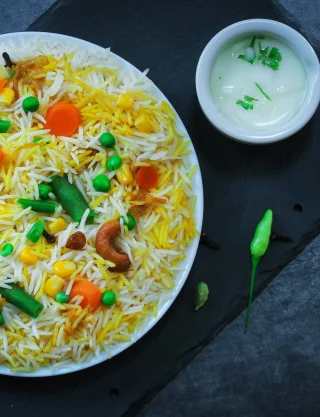
Vegtable pulao
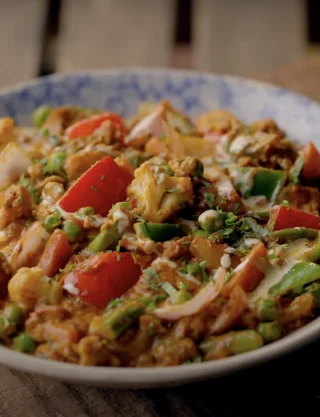
Vegetable kadhai
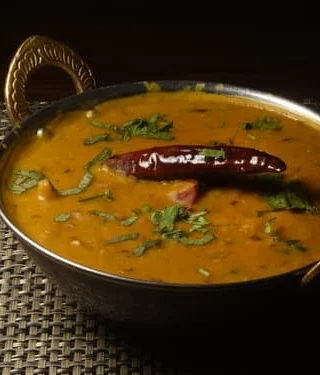
Dal Tadka