Discover our Palakudi green cardamom, a rare indigenous variety from the Idukki hills of Kerala, India.
A soft, enveloping aroma with sweet, nutty and floral notes
to elevate your desserts, chai and pastries.
€6.00
€300.00/kg
By purchasing this product, you add €0.24 to your loyalty account, redeemable as a discount on your next order!
Loading...
Legal guarantee of conformity on delivery
Palakudi Green Cardamom: the rare indigenous variety of Kerala
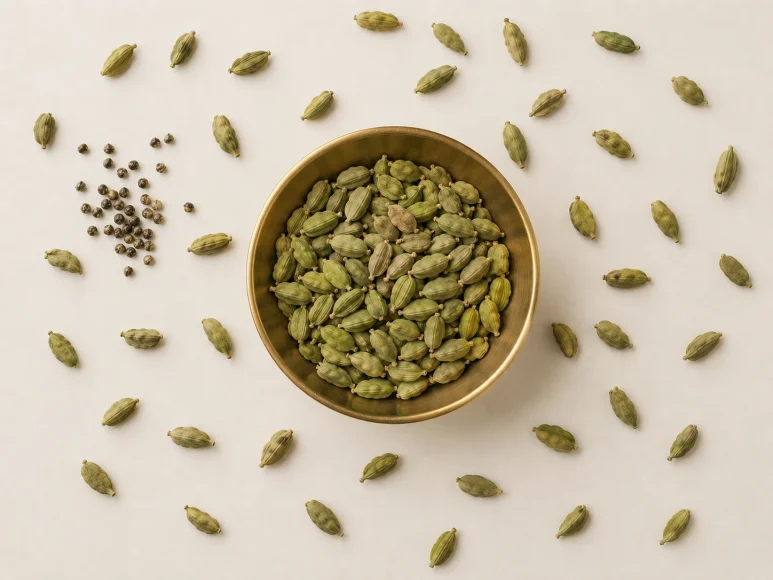
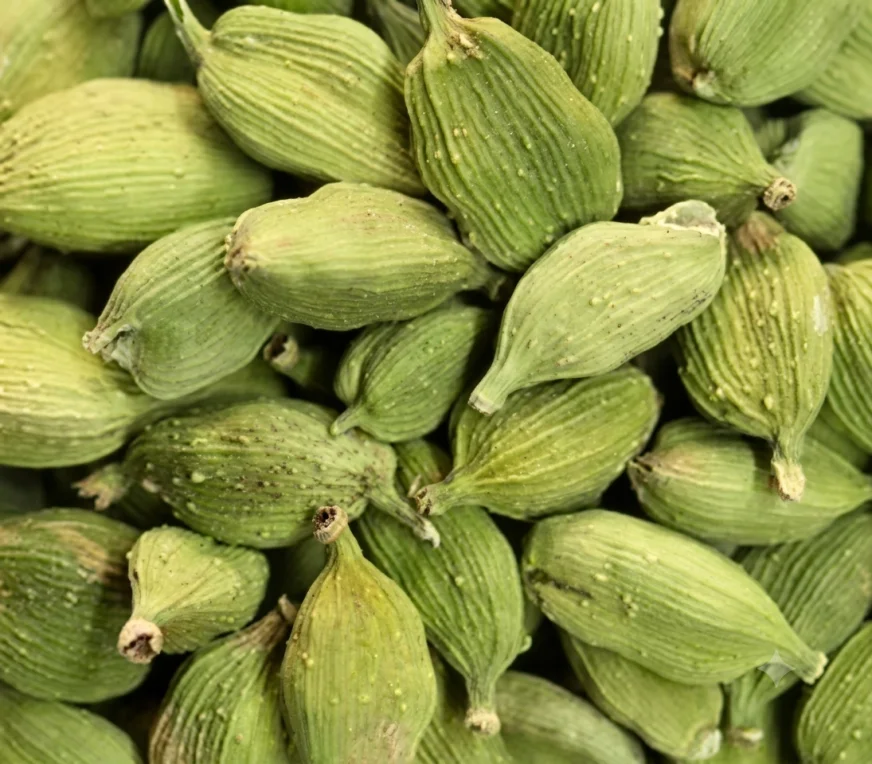
Palakudi is an ancient indigenous variety, now rare, grown only in a few pockets of the cardamom hills of the Idukki district in Kerala. Recognisable by its smaller pods and their distinctive rounded shape, it yields less than modern high-yield varieties, making it a sought-after treasure for connoisseurs. It is handpicked by smallholder farmers practising natural agriculture.
Njallani or Palakudi: which one to choose?
Where Njallani, with its larger, greener pods, delivers a citrusy, spicy intensity ideal for savoury dishes, Palakudi charms with a stronger yet soothing aroma, with sweet and slightly nutty notes lifted by a subtle floral touch. It is the cardamom of desserts and delicate preparations, when you want the sweet note of the spice to shine.
Culinary uses:
Oriental desserts (kheer, halwa, pastries)
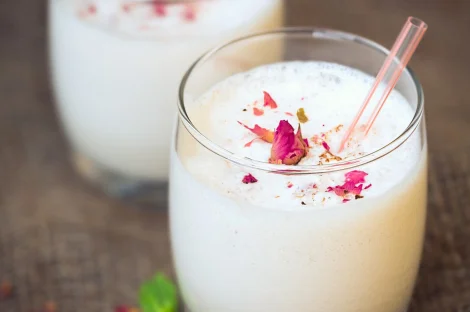
Indian chai and comforting hot beverages
Rice pudding, custards and fragrant creams
Coffee, hot chocolate and indulgent drinks
Fruit compotes, fruit salads and homemade confectionery
Sweet garam masala and dessert spice blends
Origin and cultivation:
Our pods come directly from the Idukki hills in Kerala, where our partner farmers grow cardamom following the principles of natural farming (Zero Budget Natural Farming). The pods are handpicked and naturally dried at controlled temperatures to preserve all their aromas.
Storage:
To preserve all its aromas, store your cardamom pods in a dry place, away from light and humidity, in their airtight packaging. Whole pods retain their aromas far longer than ground cardamom.
Strong yet soothing aroma with sweet, slightly nutty notes lifted by a subtle floral touch. Milder than Njallani, it is ideal for desserts. Crush at the last moment to release its full fragrance.
Learn more
Palakudi belongs to the living memory of the Cardamom Hills. Before intensive farming reshaped the landscape of Kerala, the hills of Idukki were home to a mosaic of local cardamom varieties: Palakudi, Kanipparamban, Elam Rani, Mysore Vazhuka, each adapted to its microclimate and patiently selected from generation to generation. Palakudi, with its rounded pod and recognisable sweetness, was one of the most prized for pastry and sweets.
The Njallani revolution and the erasure of the old varieties
From the 1990s onwards, the Njallani cultivar (capable of producing 120 to 160 capsules per plant compared with 30-35 for the traditional varieties) upended the economics of cardamom. Within a single generation, it took over nearly 88.7% of the acreage in the Idukki district. Heritage varieties like Palakudi, less productive, have almost entirely disappeared from commercial plantations.
This genetic homogenisation comes at a cost: heightened vulnerability to disease and drought, and the erosion of an irreplaceable agricultural heritage, a concern documented by the Cardamom Research Station in Pampadumpara.
A variety preserved by a few enthusiasts
Palakudi has survived only thanks to a handful of activist growers, notably around the Nedumkandam Panchayat in the Idukki district, who refused to give up on the indigenous varieties. By choosing Palakudi, you directly support this conservation farming and the safeguarding of the Queen of Spices' biodiversity.
Did you know?
Green cardamom is the 3rd most expensive spice in the world, after saffron (1st) and vanilla (2nd)
The Palakudi pods are smaller and rounded in shape, a visual marker that sets it apart from the modern cultivars with their elongated pods
Its lower yield and its rarity make it a cardamom sought after by connoisseurs and pastry chefs
It is grown according to the principles of Zero Budget Natural Farming
Its soft, creamy profile makes it ideal for desserts, whereas Njallani, more lemony and lively, shines in savoury dishes
Characteristic
Detail
Latin name
Elettaria cardamomum (L.) Maton
Variety
Palakudi: indigenous heritage variety of the cardamom hills
Botanical family
Zingiberaceae: the same family as ginger and turmeric
Pods
Small, with a characteristic rounded shape: more discreet than the modern cultivars
Profile
Soft, creamy, nutty, slightly floral: geared towards desserts
Yield
Lower than the high-yield cultivars, hence its rarity
Origin
Idukki district, Kerala: Nedumkandam region
Cultivation
Natural farming (Zero Budget Natural Farming)
Palakudi grows where the world's finest cardamom is born: the Cardamom Hills, the southern part of the Western Ghats, in the Idukki district of Kerala. This high-altitude terroir, misty and shaded, shapes the aromatic finesse of the spice.
The terroir that makes the difference
High altitude of the Idukki hills: coolness and thermal range that concentrate the aromas
Rainfall that is abundant and well distributed thanks to the Western Ghats monsoon
Mandatory partial shade: cardamom is a shade-loving (sciophyte) plant, intolerant of direct sunlight
Forest soil rich in humus, well drained, slightly acidic
The natural farming that makes Palakudi
Our partner growers cultivate Palakudi according to the principles of Zero Budget Natural Farming, with natural preparations such as Jiwamrita and Pathilakashayam to nourish the soil and protect the plants. The pods are hand-picked and then dried naturally at a controlled temperature, in order to preserve the entirety of their essential oils.
Botany
Cardamom (Elettaria cardamomum) is a perennial herbaceous plant with a creeping rhizome. Leafy pseudostems rise to 3 or 4 m, while the flowers, and then the capsules, appear directly from the base, at ground level, a feature known as cauliflory. In Palakudi, these capsules ripen into small, rounded pods, picked individually by hand every few weeks.
Where modern green cardamom plays the card of lemony, camphoraceous freshness, Palakudi cultivates roundness. Its aroma, powerful yet soothing, unfolds sweet and nutty notes, an almost creamy texture in the mouth, lifted by a subtle floral touch. It is a cardamom that is more caressing than lively, made for sweetness.
Tasting notes
Phase
Perceived notes
First aromatic impression
Enveloping sweetness, slightly minty, without harshness
Heart notes
Hazelnut, cream, white flower, a discreet freshness
Aromatic base
Sweet, long-lasting warmth, reminiscent of pastry
On the palate (seed crushed)
Immediate sweetness, less camphoraceous than the modern cultivars
In desserts
Sublime: the spice's sweet note reveals itself fully
Njallani or Palakudi?
Variety
Profile and use
Njallani
Larger, greener pods · Lemony, lively, spicy aroma · Ideal for savoury dishes, biryanis and curries
Palakudi
Small, rounded pods · Soft, creamy, nutty aroma · Ideal for desserts, chai and pastry
Chef's tip
Lightly crush the pod with the flat of a knife to open it without breaking it, then add it whole to your cream, milk or batter. For a dessert, let the whole pods infuse and then remove them; for a more pronounced aroma, take out the black seeds, dry-toast them for 30 seconds and grind them at the last moment.
Palakudi is the cardamom for those with a sweet tooth. Its soft, creamy profile makes it a natural ally of sweet dishes, but nothing stops you from slipping a touch of it into a simmered dish for a wholly rounded warmth.
In pastry and desserts
Kheer and rice pudding: infuse 2-3 crushed pods in the milk, a classic pairing with rose and saffron
Cardamom crème brûlée: 4-5 pods infused in the hot cream, Palakudi reveals all its softness here
Indian mithai: gulab jamun, barfi, ladoo, the cardamom for sweets par excellence
Pastries and tarts: a pinch ground into an apple or pear tart or a cake
Chocolate mousse: a touch brings an unexpected floral and nutty dimension
In drinks
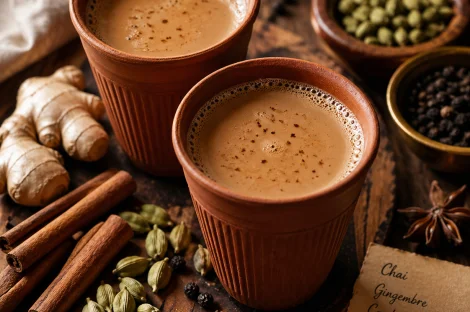
Chai masala: 2-3 crushed pods in the hot milk with the black tea, a little ginger and a cinnamon stick
Cardamom coffee: in the Arabic or Scandinavian way, a seed in the coffee enhances its roundness
Hot chocolate and golden milk: a touch of Palakudi turns the drink into spiced comfort
Biryanis and pilafs: a few whole pods infused in the ghee to perfume the rice
Tagines and simmered dishes: a sweet warmth that pairs with dried fruit and lamb
Like all green cardamoms, Palakudi shares the virtues that Ayurvedic medicine has celebrated for millennia under the name of the spice of joy, and that modern science has extensively documented.
Scientifically documented properties
Digestive and carminative: stimulates the production of gastric acid and bile, reduces intestinal spasms, properties noted in the Journal of Ethnopharmacology
Anti-inflammatory: a randomised controlled trial (Journal of Science and Food Agriculture, 2017) showed an improvement in inflammatory markers in prediabetic women supplemented with cardamom
Cardiovascular: a clinical study (Indian Journal of Biochemistry and Biophysics, 2009) documented a reduction in blood pressure in patients consuming 1.5 g of powder per day for 12 weeks
Oral and dental: 1,8-cineole inhibits oral pathogens, chewing a few seeds effectively freshens the breath
Anti-nausea: validated in several studies, including for post-chemotherapy nausea
Nutritional values (per 100 g)
Component
Content / Role
Essential oil
Rich in cineole, alpha-terpineol, limonene and linalool
Calcium
383 mg: higher than whole milk per gram
Magnesium
229 mg: >55% of the recommended daily intake
Iron
13.97 mg: close to 100% of the RDI in one tablespoon
Dietary fibre
28 g: an excellent digestive contribution
Usage precautions
Cardamom is generally well tolerated at culinary doses. In the case of gallstones, consult a doctor before any significant consumption, as it stimulates the production of bile. Supplements concentrated in essential oil are not advised for pregnant women without medical advice.
Quality criteria
Colour: bright green pods, yellowed pods have lost their essential oils
Shape: Palakudi can be recognised by its small, rounded pods
Aroma: on opening, the fragrance should be immediately soft and enveloping
Full seeds: a quality pod contains black seeds that are dense and sticky
Kerala (Idukki) origin: the benchmark terroir for cardamom
Favour whole pods: up to 40% of commercial powders contain undeclared additives
Storage advice
As whole pods, in an airtight glass jar, away from light and humidity
Shelf life: 18 to 24 months as whole pods; 6 months maximum once ground
To grind: remove the seeds, dry-toast them for 30 seconds, let them cool, then grind
Empty pods can flavour sugar, tea or a broth, don't throw them away
What is the difference between Palakudi and Njallani?
They are two green cardamoms of the same species (Elettaria cardamomum), but two very different varieties. Njallani, a modern high-yield cultivar, has large green pods and a lively, lemony and spicy aroma that excels in savoury dishes. Palakudi is a rarer heritage variety, with small, rounded pods and a softer, creamier and nuttier aroma, ideal for desserts.
Why is Palakudi cardamom so rare?
Because it produces far less than the modern cultivars. Since the 1990s, the Njallani variety, which is much more productive, has replaced almost all the old varieties in the commercial plantations of Kerala. Palakudi has survived only thanks to a handful of growers committed to preserving the biodiversity of the Idukki hills.
Why is Palakudi ideal for desserts?
Its aromatic profile is softer, creamier and slightly nuttier than that of the common green cardamoms, with a subtle floral touch and much less camphoraceous liveliness. This roundness pairs naturally with sweet dishes: kheer, rice pudding, crème brûlée, Indian mithai, pastries and chai.
How is Palakudi cardamom grown?
Palakudi is grown according to the principles of natural farming (Zero Budget Natural Farming), using natural preparations such as Jiwamrita. The pods are hand-picked and dried naturally.
How do you use Palakudi cardamom?
Lightly crush 2 to 3 pods with the flat of a knife and let them infuse in hot milk, cream or syrup. Remove the pods before serving, or take out the black seeds, dry-toast them for a few seconds and grind them at the last moment for a more intense aroma. Perfect in a chai, a rice pudding or a dessert.
How do you store Palakudi cardamom?
Store the whole pods in an airtight glass jar, away from light and humidity. They keep their aroma for 18 to 24 months whole, compared with only 6 months once ground. Grind the cardamom only when you are ready to use it.
Where does our Palakudi cardamom come from?
Directly from the Idukki district in Kerala, the world's cradle of cardamom. Our pods come from small growers in the Nedumkandam hills who cultivate this heritage variety with natural farming and pick it by hand.
Palakudi belongs to the living memory of the Cardamom Hills. Before intensive farming reshaped the landscape of Kerala, the hills of Idukki were home to a mosaic of local cardamom varieties: Palakudi, Kanipparamban, Elam Rani, Mysore Vazhuka, each adapted to its microclimate and patiently selected from generation to generation. Palakudi, with its rounded pod and recognisable sweetness, was one of the most prized for pastry and sweets.
The Njallani revolution and the erasure of the old varieties
From the 1990s onwards, the Njallani cultivar (capable of producing 120 to 160 capsules per plant compared with 30-35 for the traditional varieties) upended the economics of cardamom. Within a single generation, it took over nearly 88.7% of the acreage in the Idukki district. Heritage varieties like Palakudi, less productive, have almost entirely disappeared from commercial plantations.
This genetic homogenisation comes at a cost: heightened vulnerability to disease and drought, and the erosion of an irreplaceable agricultural heritage, a concern documented by the Cardamom Research Station in Pampadumpara.
A variety preserved by a few enthusiasts
Palakudi has survived only thanks to a handful of activist growers, notably around the Nedumkandam Panchayat in the Idukki district, who refused to give up on the indigenous varieties. By choosing Palakudi, you directly support this conservation farming and the safeguarding of the Queen of Spices' biodiversity.
Did you know?
Green cardamom is the 3rd most expensive spice in the world, after saffron (1st) and vanilla (2nd)
The Palakudi pods are smaller and rounded in shape, a visual marker that sets it apart from the modern cultivars with their elongated pods
Its lower yield and its rarity make it a cardamom sought after by connoisseurs and pastry chefs
It is grown according to the principles of Zero Budget Natural Farming
Its soft, creamy profile makes it ideal for desserts, whereas Njallani, more lemony and lively, shines in savoury dishes
Characteristic
Detail
Latin name
Elettaria cardamomum (L.) Maton
Variety
Palakudi: indigenous heritage variety of the cardamom hills
Botanical family
Zingiberaceae: the same family as ginger and turmeric
Pods
Small, with a characteristic rounded shape: more discreet than the modern cultivars
Profile
Soft, creamy, nutty, slightly floral: geared towards desserts
Yield
Lower than the high-yield cultivars, hence its rarity
Origin
Idukki district, Kerala: Nedumkandam region
Cultivation
Natural farming (Zero Budget Natural Farming)
Palakudi grows where the world's finest cardamom is born: the Cardamom Hills, the southern part of the Western Ghats, in the Idukki district of Kerala. This high-altitude terroir, misty and shaded, shapes the aromatic finesse of the spice.
The terroir that makes the difference
High altitude of the Idukki hills: coolness and thermal range that concentrate the aromas
Rainfall that is abundant and well distributed thanks to the Western Ghats monsoon
Mandatory partial shade: cardamom is a shade-loving (sciophyte) plant, intolerant of direct sunlight
Forest soil rich in humus, well drained, slightly acidic
The natural farming that makes Palakudi
Our partner growers cultivate Palakudi according to the principles of Zero Budget Natural Farming, with natural preparations such as Jiwamrita and Pathilakashayam to nourish the soil and protect the plants. The pods are hand-picked and then dried naturally at a controlled temperature, in order to preserve the entirety of their essential oils.
Botany
Cardamom (Elettaria cardamomum) is a perennial herbaceous plant with a creeping rhizome. Leafy pseudostems rise to 3 or 4 m, while the flowers, and then the capsules, appear directly from the base, at ground level, a feature known as cauliflory. In Palakudi, these capsules ripen into small, rounded pods, picked individually by hand every few weeks.
Where modern green cardamom plays the card of lemony, camphoraceous freshness, Palakudi cultivates roundness. Its aroma, powerful yet soothing, unfolds sweet and nutty notes, an almost creamy texture in the mouth, lifted by a subtle floral touch. It is a cardamom that is more caressing than lively, made for sweetness.
Tasting notes
Phase
Perceived notes
First aromatic impression
Enveloping sweetness, slightly minty, without harshness
Heart notes
Hazelnut, cream, white flower, a discreet freshness
Aromatic base
Sweet, long-lasting warmth, reminiscent of pastry
On the palate (seed crushed)
Immediate sweetness, less camphoraceous than the modern cultivars
In desserts
Sublime: the spice's sweet note reveals itself fully
Njallani or Palakudi?
Variety
Profile and use
Njallani
Larger, greener pods · Lemony, lively, spicy aroma · Ideal for savoury dishes, biryanis and curries
Palakudi
Small, rounded pods · Soft, creamy, nutty aroma · Ideal for desserts, chai and pastry
Chef's tip
Lightly crush the pod with the flat of a knife to open it without breaking it, then add it whole to your cream, milk or batter. For a dessert, let the whole pods infuse and then remove them; for a more pronounced aroma, take out the black seeds, dry-toast them for 30 seconds and grind them at the last moment.
Palakudi is the cardamom for those with a sweet tooth. Its soft, creamy profile makes it a natural ally of sweet dishes, but nothing stops you from slipping a touch of it into a simmered dish for a wholly rounded warmth.
In pastry and desserts
Kheer and rice pudding: infuse 2-3 crushed pods in the milk, a classic pairing with rose and saffron
Cardamom crème brûlée: 4-5 pods infused in the hot cream, Palakudi reveals all its softness here
Indian mithai: gulab jamun, barfi, ladoo, the cardamom for sweets par excellence
Pastries and tarts: a pinch ground into an apple or pear tart or a cake
Chocolate mousse: a touch brings an unexpected floral and nutty dimension
In drinks
Chai masala: 2-3 crushed pods in the hot milk with the black tea, a little ginger and a cinnamon stick
Cardamom coffee: in the Arabic or Scandinavian way, a seed in the coffee enhances its roundness
Hot chocolate and golden milk: a touch of Palakudi turns the drink into spiced comfort
Biryanis and pilafs: a few whole pods infused in the ghee to perfume the rice
Tagines and simmered dishes: a sweet warmth that pairs with dried fruit and lamb
Like all green cardamoms, Palakudi shares the virtues that Ayurvedic medicine has celebrated for millennia under the name of the spice of joy, and that modern science has extensively documented.
Scientifically documented properties
Digestive and carminative: stimulates the production of gastric acid and bile, reduces intestinal spasms, properties noted in the Journal of Ethnopharmacology
Anti-inflammatory: a randomised controlled trial (Journal of Science and Food Agriculture, 2017) showed an improvement in inflammatory markers in prediabetic women supplemented with cardamom
Cardiovascular: a clinical study (Indian Journal of Biochemistry and Biophysics, 2009) documented a reduction in blood pressure in patients consuming 1.5 g of powder per day for 12 weeks
Oral and dental: 1,8-cineole inhibits oral pathogens, chewing a few seeds effectively freshens the breath
Anti-nausea: validated in several studies, including for post-chemotherapy nausea
Nutritional values (per 100 g)
Component
Content / Role
Essential oil
Rich in cineole, alpha-terpineol, limonene and linalool
Calcium
383 mg: higher than whole milk per gram
Magnesium
229 mg: >55% of the recommended daily intake
Iron
13.97 mg: close to 100% of the RDI in one tablespoon
Dietary fibre
28 g: an excellent digestive contribution
Usage precautions
Cardamom is generally well tolerated at culinary doses. In the case of gallstones, consult a doctor before any significant consumption, as it stimulates the production of bile. Supplements concentrated in essential oil are not advised for pregnant women without medical advice.
Quality criteria
Colour: bright green pods, yellowed pods have lost their essential oils
Shape: Palakudi can be recognised by its small, rounded pods
Aroma: on opening, the fragrance should be immediately soft and enveloping
Full seeds: a quality pod contains black seeds that are dense and sticky
Kerala (Idukki) origin: the benchmark terroir for cardamom
Favour whole pods: up to 40% of commercial powders contain undeclared additives
Storage advice
As whole pods, in an airtight glass jar, away from light and humidity
Shelf life: 18 to 24 months as whole pods; 6 months maximum once ground
To grind: remove the seeds, dry-toast them for 30 seconds, let them cool, then grind
Empty pods can flavour sugar, tea or a broth, don't throw them away
What is the difference between Palakudi and Njallani?
They are two green cardamoms of the same species (Elettaria cardamomum), but two very different varieties. Njallani, a modern high-yield cultivar, has large green pods and a lively, lemony and spicy aroma that excels in savoury dishes. Palakudi is a rarer heritage variety, with small, rounded pods and a softer, creamier and nuttier aroma, ideal for desserts.
Why is Palakudi cardamom so rare?
Because it produces far less than the modern cultivars. Since the 1990s, the Njallani variety, which is much more productive, has replaced almost all the old varieties in the commercial plantations of Kerala. Palakudi has survived only thanks to a handful of growers committed to preserving the biodiversity of the Idukki hills.
Why is Palakudi ideal for desserts?
Its aromatic profile is softer, creamier and slightly nuttier than that of the common green cardamoms, with a subtle floral touch and much less camphoraceous liveliness. This roundness pairs naturally with sweet dishes: kheer, rice pudding, crème brûlée, Indian mithai, pastries and chai.
How is Palakudi cardamom grown?
Palakudi is grown according to the principles of natural farming (Zero Budget Natural Farming), using natural preparations such as Jiwamrita. The pods are hand-picked and dried naturally.
How do you use Palakudi cardamom?
Lightly crush 2 to 3 pods with the flat of a knife and let them infuse in hot milk, cream or syrup. Remove the pods before serving, or take out the black seeds, dry-toast them for a few seconds and grind them at the last moment for a more intense aroma. Perfect in a chai, a rice pudding or a dessert.
How do you store Palakudi cardamom?
Store the whole pods in an airtight glass jar, away from light and humidity. They keep their aroma for 18 to 24 months whole, compared with only 6 months once ground. Grind the cardamom only when you are ready to use it.
Where does our Palakudi cardamom come from?
Directly from the Idukki district in Kerala, the world's cradle of cardamom. Our pods come from small growers in the Nedumkandam hills who cultivate this heritage variety with natural farming and pick it by hand.
Why choose Palakudi Green Cardamom from La Table Indienne?
Exceptional freshness and quality
Our spices are imported directly from India and packaged on demand to guarantee optimal freshness. Unlike spices sold in supermarkets that can sit on shelves for months, we ensure each spice retains its full flavor and aroma.
Authenticity and traceability
Each spice comes from specific regions in India renowned for their expertise. We work directly with local producers who grow their spices traditionally.
How to best use this spice?
To reveal all the aromas, we recommend lightly toasting whole spices in a dry pan before grinding them. Store them in a dry place away from light to preserve their freshness as long as possible.
Did you know?
Whole spices are much better than ground spices
Check out our blog article to discover why whole spices retain their aromas better.
Questions & Answers
Thank you! Your question has been sent. Mihika will answer soon and you will receive an email.
The deposit is an amount included in the product price that will be converted to loyalty points when you return the empty packaging to us. It's an ecological and economical system that allows containers to be reused.
How does it work?
1
You pay the deposit in addition to the product price at checkout.
2
You consume the product and keep the clean empty packaging.
3
You bring back the packaging to us and we credit you loyalty points (20 points per euro of deposit).
Online orders
For purchases on our online store, we provide you with a free return label from 5 packages onwards. You then receive loyalty points based on the returned deposit amount (20 points per euro), which you can exchange for rewards.
A gesture for the planet
By participating in the deposit system, you reduce packaging waste and contribute to a more sustainable circular economy.





 Drinks