Loading...

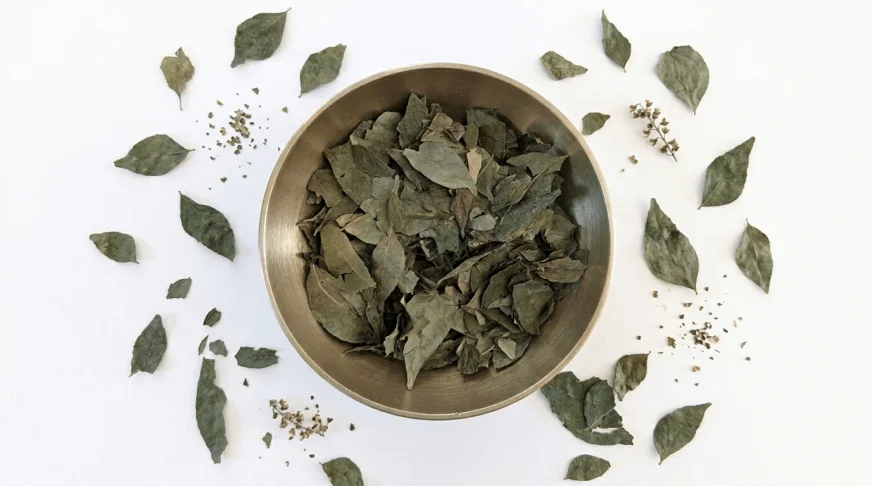
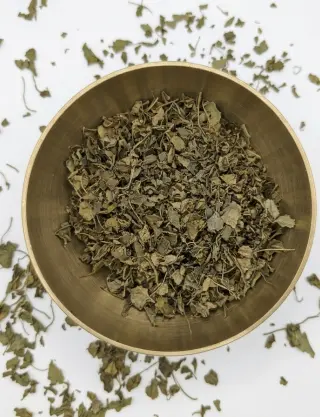
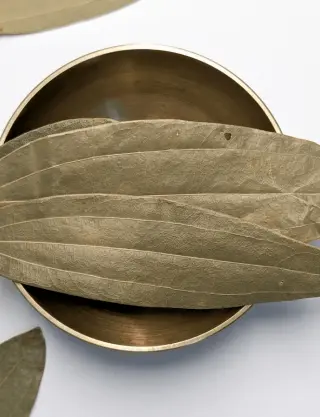
Dried Curry Leaves from Uttarakhand

Origin :
Uttarakhand, North India
Quality :
Premium
Type :
Dried leaves
Certified organic supplier Pesticide-free

Discover our dried curry leaves from Uttarakhand, essential to South Indian cuisine. A unique citrusy and herbaceous aroma, irreplaceable in tadka and sambar.

€1.50
€300.00/kg
By purchasing this product, you add €0.04 to your loyalty account, redeemable as a discount on your next order!
Loading...

Ready for shipping, delivery time 2-5 business days

Delivery from €3.50 at Mondial Relay pickup points. Free shipping from €60.

Mondial Relay
Colissimo
Chronopost
  • Dried Curry Leaves: the soul of South Indian cooking

    Curry leaves (Bergera koenigii) are one of the most important aromatic herbs in Indian cuisine, particularly in the kitchens of Karnataka, Kerala and Tamil Nadu. Harvested from pesticide-free shrubs grown by our certified organic suppliers, these leaves are dried at low temperature to preserve their essential oil and characteristic aroma. Important note: they have nothing to do with curry powder!

    Why choose dried curry leaves?

    Fresh curry leaves are hard to find outside India. Our dried leaves offer a practical alternative while retaining the essence of their citrusy-herbaceous aromatic profile. They keep for several months and can be added directly to hot ghee or oil to release their aromas in a classic tadka. They are irreplaceable: no other herb can replicate their unique flavour.

    Culinary uses:

    • Tadka (tarka): sizzle in hot ghee or oil with mustard seeds
    • Sambar (South Indian lentil soup) and rasam
    • Coconut chutney: infuse the final tempering
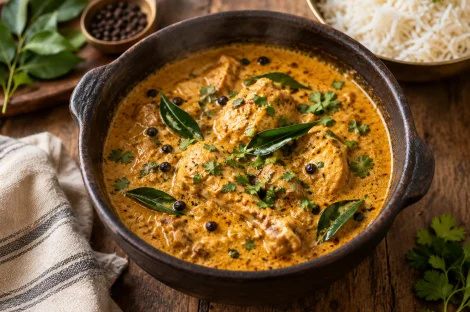
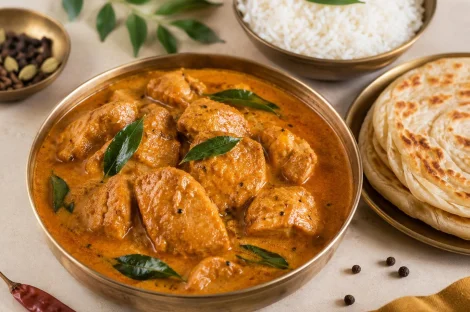
    • Vegetable, lentil (dal) and Kerala fish curries
    • Upma, poha and other typical South Indian breakfast dishes
    • Indian soups and broths for a subtle but distinctive aromatic note

    Origin and quality:

    We source our curry leaves exclusively from certified organic growers in Karnataka and Kerala, guaranteeing a premium quality natural product, free from pesticides and additives.

    Storage:

    To preserve all their aromas, store your dried curry leaves in a dry place, away from light and moisture, in the airtight packaging. They keep for up to 12 months.

  • Supports digestion and reduces bloating

    Rich in protective antioxidants

    Helps regulate blood sugar levels

    Anti-inflammatory properties recognised in Ayurveda

    Boosts the immune system

    Promotes hair and scalp health

    Natural source of iron and calcium

    Natural antibacterial properties

  • Nutritional declaration per 100g

    Nutritional component Per 100g
    Energy 1 327 kJ / 317 kcal
    Fat ~ 6,1 g
    of which saturated fat ~ 730 mg
    Carbohydrates ~ 49,5 g
    of which sugars ~ 0 mg
    Dietary fiber ~ 26,3 g
    Proteins ~ 14 g
    Salt ~ 90 mg
  • Supplier certified organic Yes
    Pesticides free Yes
    Vegetarian Yes
    Origin Uttarakhand, North India
    Quality Premium
    Type Dried leaves
    Taste profile Fresh, citrusy aroma with slightly peppery herbal notes. Releases an intense lemony fragrance when added to hot fat, reminiscent of lime and mild anise.
    Composition 100% dried curry leaves (Bergera koenigii)

Learn more

  • Curry leaves are among the oldest aromatic plants in Indian gastronomy. Their presence in classical Tamil and Kannada culinary texts dates back to the 4th-1st centuries BCE, making them one of the best-documented culinary aromatics in ancient Indian cuisine. In early Tamil and Kannada literature, the use of Murraya koenigii was described as a flavouring agent for vegetables.

    The plant is native to the Indian subcontinent. Botanists place its origin in the Tarai region of Uttar Pradesh — the plains at the foot of the Himalayas — while other sources point to an origin in South India (Karnataka, Kerala, Tamil Nadu). It grows naturally in tropical and subtropical forests throughout India up to 1,500 metres altitude, as well as in Sri Lanka, Myanmar, Thailand, Vietnam and southern China.

    The plant found in every Indian home

    The most striking feature of the curry leaf in Indian culture is its domestic ubiquity. Across the Indian subcontinent, the curry tree is a fixture in virtually every household. It is primarily grown privately, though also cultivated commercially on a small scale. Because the leaves must be fresh when used, they are often exchanged through small neighbourhood networks. A curry tree in every South Indian garden — that is how fundamentally different this plant is from an imported spice.

    The first botanist to scientifically describe the plant was Carl Linnaeus, who published it under the name Bergera koenigii in the 2nd edition of Mantissa Plantarum in 1767. The species name koenigii honours Johann Gerhard König, a Danish botanist who worked for the English East India Company. The genus name Murraya — under which the plant is still commonly referenced — honours Johan Andreas Murray (1740-1791), a student of Linnaeus and professor of medicine at the University of Göttingen.

    With the migrations of the South Indian diaspora in the 19th and 20th centuries, curry leaves travelled the world. Tamil communities settling in Malaysia, Singapore, South Africa, Mauritius, Réunion and the Caribbean brought their curry plants — establishing local cultures in their expatriate gardens. Today, curry trees grow in private gardens in France (especially in Provence and Corsica), Australia, California and Florida.

    The great confusion — Curry leaves vs Curry powder

    Curry leaves and curry powder have absolutely nothing in common. Curry leaves are fresh leaves from a tropical Indian tree in the citrus family. Curry powder is an 18th-century British invention — a blend of dried ground spices (turmeric, coriander, cumin, chili) that never existed in traditional Indian kitchens. The only link is the word "curry", which comes from the Tamil kari (spiced sauce) — British colonists used it to describe both the leaves and the entirety of Indian dishes.

    Did you know?

    • The word "curry" comes from the Tamil kari, meaning "spiced sauce" or "blackened" — a reference to the dark colour of the tree's leaves
    • The English term "curry leaves" refers to the leaves of the kari tree — it is curry powder that borrowed the name, not the other way around
    • Peppercorns were traded for gold, but curry leaves were shared between neighbours — free and everyday
    • There are three cultivated varieties: Gamthi (the most aromatic), Regular (commercial), and Dwarf (ideal for pot growing)
    • The curry tree belongs to the same family as the lemon (Rutaceae) — which explains its citrus notes
    • The seeds of the curry tree can be toxic — never consume them
    • A single potted curry tree on a balcony can supply fresh leaves for years

    Curry leaves across languages

    LanguageName
    EnglishCurry Leaves / Sweet Neem
    HindiKadhi Patta (कढ़ी पत्ता) / Mitha Neem
    TamilKarivepilai (கறிவேப்பிலை)
    Malayalam (Kerala)Kariveppilei (കറിവേപ്പില)
    KannadaKaribeva (ಕರಿಬೇವು)
    TeluguKarepaku (కరేపాకు)
    SanskritSurabhinimba / Krishnanimba
    ThaiBai Karee
    GermanCurryblätter
    Botanical LatinBergera koenigii (L.) Spreng. (syn. Murraya koenigii)

    The Hindi name Kadhi Patta is direct and transparent: kadhi refers to a traditional North Indian dish made with buttermilk and chickpea flour, and patta means "leaf". The Sanskrit name Surabhinimba ("fragrant neem") underscores the visual resemblance between the curry tree and the neem — both have similar compound leaves, but radically different aromas. It is this resemblance that earned the curry tree the names "Sweet Neem" and "Mitha Neem".


  • CharacteristicDetail
    Latin nameBergera koenigii (L.) Spreng. (syn. Murraya koenigii)
    Botanical familyRutaceae — the same family as lemon, orange and lime
    Local namesKadhi Patta (Hindi) / Karivepilai (Tamil) / Kariveppilei (Malayalam)
    Parts usedFresh leaves (culinary), dried leaves, essential oil, roots and bark (Ayurveda)
    Three cultivated varietiesGamthi (premium aromatic), Regular (commercial), Dwarf (compact, ornamental)
    Key active compoundsCarbazole alkaloids (mahanimbine, koenimbine), essential oil (beta-caryophyllene)
    OriginKerala, Karnataka, Tamil Nadu and the Tarai region (Uttar Pradesh)
    AltitudeUp to 1,500-1,655 m in tropical and subtropical forests

    Bergera koenigii is a small, evergreen tropical tree in the Rutaceae family — the great citrus family. This botanical kinship with lemons, oranges and limes is significant: it explains part of the fresh, citrus aroma of curry leaves, which share certain terpene compounds with citrus fruits.

    The tree reaches 4 to 6 metres under normal conditions, and up to 8-10 metres in favourable environments. Its odd-pinnate compound leaves bear 11 to 21 leaflets, each 2 to 4 cm long, oval, glossy green and intensely aromatic when pressed. Its small, white, bisexual flowers produce small, glossy black oval drupes.

    The three cultivated varieties

    VarietyCharacteristics & Usage
    Gamthi (Premium)The most aromatic — from the Sanskrit gandhi (fragrant). Smaller, thicker leaves with a higher essential oil concentration. Slower growth. The gastronomic benchmark.
    Regular (Commercial)The most widely cultivated variety. Fast growth, larger leaves, higher volume production. Good aroma but less concentrated than Gamthi.
    Dwarf (Compact)A compact, bushy variety — ideal for pot growing or limited spaces. Highly prized in the gardens of Indian expatriates around the world.

    The citrus connection

    The Rutaceae family is renowned for the aromatic richness of its members. Citrus fruits (lemon, bergamot, kaffir lime) sit alongside Zanthoxylum (Sichuan and Timut pepper) and curry leaves. This kinship explains why the aroma of curry leaves is often described as "citrus-herbaceous" — it contains terpene compounds (limonene, beta-caryophyllene) that are also found in citrus.

    Do not confuse with kaffir lime leaves

    Confusion with kaffir lime leaves is common. Both belong to the Rutaceae family, both are aromatic and used in South Asian cooking — but they are botanically very different and not interchangeable in the kitchen.

  • The aroma of curry leaves is one of the most unique and irreproducible in world gastronomy. No substitute exists — neither synthetic nor natural — that can faithfully replicate it. It is this absolute aromatic singularity that explains the importance of fresh curry leaves in South Indian cooking.

    Tasting notes

    ContextAromatic profile
    Fresh leaf, crushedImmediate, powerful aroma — citrus-herbaceous, a light warm curry note, anise in the background, green vegetal freshness.
    In hot oil (tadka)Aromatic transformation — the oil extracts fat-soluble compounds. The aroma becomes deeper, warmer, more camphoraceous.
    Long cooking (dal, sambar)The notes integrate and blend — the curry leaf becomes the invisible aromatic binder that "glues" all the flavours of the dish together.
    Dried leafMore subdued and earthier aroma — the fresh, citrus character is reduced but not eliminated. Practical for spice blends.
    Raw leaf, chewedSlightly pungent, bitter, tart — complex taste. Some Indian cooks eat them directly.

    Why curry leaves are irreplaceable

    The curry leaf is one of the rare ingredients in Indian cooking whose omission fundamentally changes the identity of a dish. A sambar without curry leaves is not a "lighter" sambar — it is a different dish altogether. This irreplaceability stems from a unique combination of beta-caryophyllene, sabinene and Rutaceae-specific compounds that occurs in no other herb or spice.

  • Curry leaves are the most widely used ingredient in South Indian cooking — more than turmeric, more than chili, more than black mustard seeds. They feature in virtually every dish in Tamil, Keralite, Kannadiga and Andhra cuisine.

    The fundamental technique — tadka (tempering)

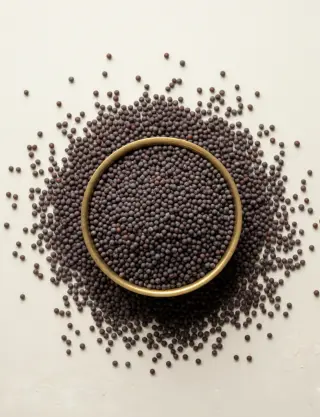
    Tadka is the foundational cooking technique of South Indian cuisine: whole spices are plunged into very hot oil or ghee to release their essential oils, then the flavoured fat is poured over the dish. In South Indian tadka, curry leaves are almost always present — added alongside black mustard seeds after they pop in the oil.

    • Optimal technique: pour black mustard seeds into hot oil, wait for them to pop (20-30 seconds), then add 8-12 fresh curry leaves all at once. Watch for splatter! Let them fry for 15-20 seconds until slightly crisp and translucent.
    • Always fresh for tadka: dried leaves produce a markedly inferior aroma in this context
    • You eat them!: in South India, curry leaves are eaten — unlike bay leaves

    In South Indian cooking

    • Sambar: the iconic lentil soup of Tamil Nadu and Kerala — curry leaves in the final tadka poured over the sambar
    • Rasam: the peppery tomato consommé — curry leaves in the ghee tadka
    • Coconut chutneys: the black mustard seed and curry leaf tadka, poured over the fresh chutney
    • Kerala fish curry (Meen curry): curry leaves and kokum are the two signature flavour notes
    • Thoran (Kerala stir-fry): curry leaves in hot oil before adding grated vegetables
    • Upma, poha, curd rice: the curry leaf tadka is the universal aromatic finishing touch
    • Kerala biryani: curry leaves in the ghee used to cook the rice — a distinctly Keralite touch
    • Pachadi and pickles: the leaves are incorporated into condiments and preserves

    In contemporary European cooking

    • Curry leaf butter: powdered dried leaves blended into softened butter — an elegant fusion approach
    • Infused oil: coconut or olive oil infused with hot leaves — for salads, marinades and finishing touches
    • Prawn risotto: a curry leaf tadka poured over as a finishing flourish
    • Grilled fish: curry leaf butter on a fillet of sea bass or cod
    • Seafood vinaigrette: fusion chefs are exploring these applications with great success

    Practical tips

    Quantity: 8-15 leaves for a dish serving 4. Fresh for tadka, dried acceptable for marinades and blends. Curry leaf powder: grind dried leaves to a fine powder for spice blends, stuffings and preparations without direct cooking.

  • Curry leaves are among the most studied medicinal plants in the Indian pharmacopoeia. Murraya koenigii has been used for centuries in Indian Ayurvedic medicine, known by the Sanskrit name Krishnanimba. Modern research confirms a broad range of pharmacological activities.

    Documented properties

    • Anti-diabetic: the best-documented property — clinical trials indicate a reduction in blood sugar levels in diabetic patients supplemented with curry leaf powder. Carbazole alkaloids (mahanimbine, koenimbine) are the primary active compounds.
    • Powerful antioxidant: flavonoids, polyphenols and vitamins C and A show strong antioxidant activity — protecting cells against oxidative stress
    • Anti-inflammatory: carbazole alkaloids and flavonoids inhibit specific inflammatory pathways, confirmed across all three cultivated varieties
    • Hepatoprotective: liver protection against hepatotoxins documented in preclinical studies
    • Hypolipidemic: triterpenoids (mahanimbine, koenimbine) show cholesterol-lowering effects in animal models
    • Digestive and gastroprotective: stimulates digestion, relieves flatulence, documented antidiarrhoeal properties
    • Broad-spectrum antimicrobial: documented efficacy against several pathogenic bacteria and fungi
    • Hair health: leaves boiled in coconut oil — applied to the scalp — are an ancestral remedy for hair loss and premature greying

    Precautions

    Curry leaves are safe at normal culinary doses. Never consume the seeds of the curry tree — they can be toxic. In large quantities (concentrated extracts), carbazole alkaloids may interact with certain medications. The leaves do not replace prescribed medical treatment.

    Nutritional values (per 100 g of fresh leaves)

    NutrientContent
    Water66-67%
    Protein6 g
    Carbohydrates18 g including 6.4 g fibre
    Calcium830 mg — exceptionally high, surpassing whole milk per gram
    Iron0.93 mg
    VitaminsC, A (carotenes), B, E
    Calories108 kcal
  • Fresh leaves — three preservation methods

    • Refrigerator (1-2 weeks): remove leaves from stems, dry thoroughly with paper towels, wrap in dry paper towels and place in a paper bag or airtight container. Never use a sealed plastic bag — condensation accelerates deterioration.
    • Freezing (up to 6 months): place fresh leaves directly in an airtight freezer bag without drying or blanching. Freezing preserves the aroma remarkably well. Use directly from frozen in tadka — recommended method.
    • Drying (3-6 months): air-dry or oven-dry at a maximum of 50°C for 2-3 hours. Store in an opaque, airtight jar at room temperature.

    How to recognise good curry leaves

    • Fresh: bright, glossy green colour, powerful citrus aroma when crushed, supple leaves without brown spots
    • Dried: dark green colour, noticeable aroma (even if subdued), whole leaves without dust or debris
    • Smell: a curry leaf with no aroma when crushed is too old — the citrus-herbaceous scent should be immediate
    • Origin stated: a reputable supplier always specifies the origin (South India, Kerala, Karnataka)

    Growing your own curry tree

    • Recommended variety: Dwarf for pots and balconies, Regular if you have a garden in a warm climate
    • Pot: minimum 30-40 cm diameter, well-draining — general-purpose potting mix + 20% sand, pH 6-7
    • Position: full south-facing, minimum 6 hours of direct sunlight per day
    • Temperature: ideal between 20 and 35°C — tolerates down to 5°C but not frost. Bring indoors from November to April in cooler climates
    • Watering: moderate — the soil should dry out between waterings. Hates waterlogged roots
    • Harvesting: begin 6-12 months after planting, once the plant is well established. Pinching terminal stems encourages branching
  • Do curry leaves taste like curry?

    Yes and no. The aroma of curry leaves is what gave 'curry' its English name — not the other way around. They have a unique citrus-herbaceous aroma that is one of the fundamental building blocks of South Indian cuisine. But this aroma is not identical to commercial curry powder. It is the aroma that makes sambar smell like sambar — fresh, vegetal and slightly citrusy.

    Can you eat curry leaves, or should they be removed like bay leaves?

    Unlike bay leaves, curry leaves are entirely edible. In South India, it is normal and encouraged to eat them — they retain a pleasant texture after cooking and their nutritional value is preserved. Removing them is a matter of personal preference, not necessity.

    What is the difference between fresh and dried curry leaves?

    Fresh leaves have a more powerful, fresher, more citrusy aroma — ideal for tadka. Dried leaves have a more subdued and earthier aroma, but retain some of their bioactive compounds. For authentic tadka: always fresh. Freezing is an excellent alternative.

    What is the difference between curry leaves and curry powder?

    They have absolutely nothing in common. Curry leaves are fresh leaves from a tropical Indian tree (Bergera koenigii) in the citrus family. Curry powder is an 18th-century British invention — a blend of dried spices (turmeric, coriander, cumin, chili) that does not exist in traditional Indian cooking.

    Can curry leaves help with diabetes?

    The scientific evidence is promising: clinical trials show a reduction in blood sugar levels in patients supplemented with curry leaf powder. However, they do not replace medical treatment. Their regular consumption as part of a balanced diet may have beneficial preventive effects.

    Can you grow a curry tree at home?

    Yes! The Dwarf variety grows very well in a pot on a south-facing balcony. The tree tolerates temperatures down to 5°C but not frost — it must be brought indoors during winter in cooler climates. With proper care, a single plant provides fresh leaves for years.

Pourquoi choisir Dried Curry Leaves from Uttarakhand de La Table Indienne ?

Icône de cible

Fraîcheur et qualité exceptionnelles

Nos épices sont importées directement d'Inde et conditionnées à la demande pour garantir une fraîcheur optimale. Contrairement aux épices vendues en grande surface qui peuvent rester des mois sur les étagères, nous veillons à ce que chaque épice conserve toute sa saveur et son arôme.

Icône de cible

Authenticité et traçabilité

Chaque épice provient de régions spécifiques en Inde réputées pour leur savoir-faire. Nous travaillons directement avec des producteurs locaux qui cultivent leurs épices de manière traditionnelle et biologique, sans pesticides ni produits chimiques.

Icône de cible

Comment bien utiliser cette épice ?

Pour révéler tous les arômes, nous recommandons de faire légèrement griller les épices entières à sec dans une poêle avant de les moudre. Conservez-les dans un endroit sec et à l'abri de la lumière pour préserver leur fraîcheur le plus longtemps possible.

Icône d'étoile

Le saviez-vous ?

Les épices entières sont bien meilleures que les épices moulues
Consultez notre article de blog pour découvrir pourquoi les épices entières conservent mieux leurs arômes.

Questions & Answers

Thank you! Your question has been sent. Mihika will answer soon and you will receive an email.

Ask Mihika your question

Your email will not be published. It is only used to notify you of the answer.

€1.50