




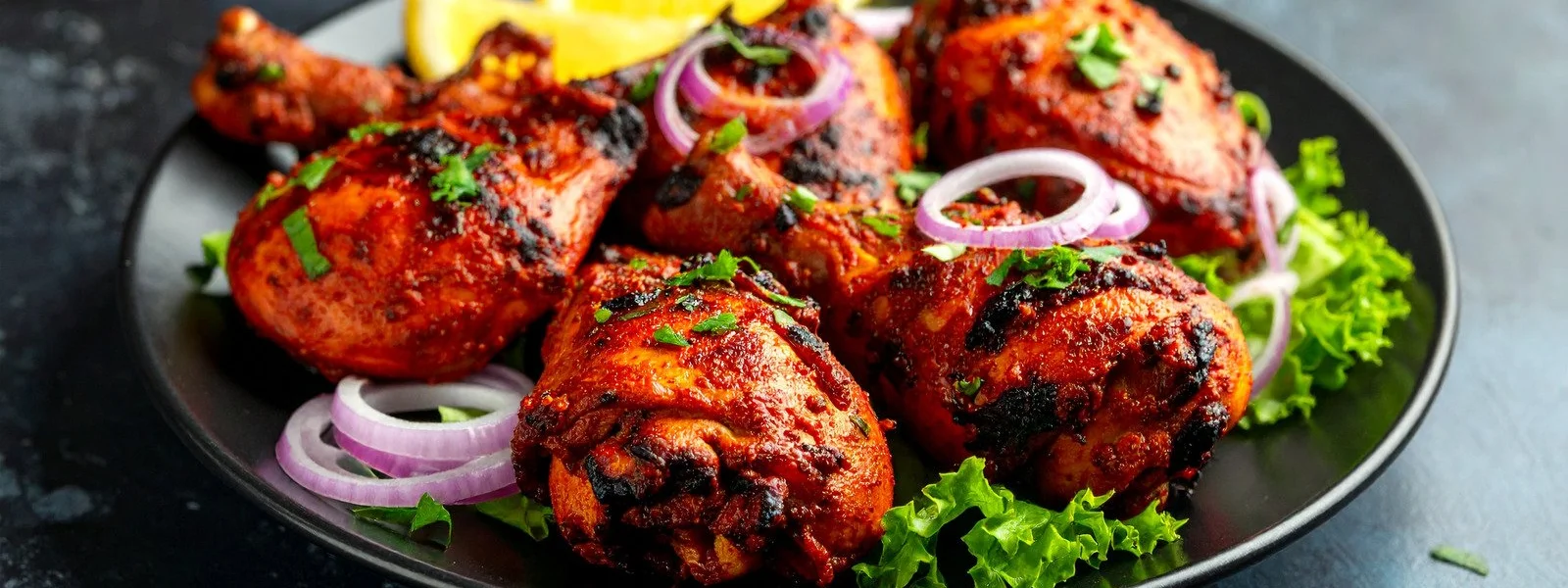
Authentic Tandoori Chicken
Tandoori chicken is one of the most emblematic dishes in Indian cooking. Its colour comes from Kashmiri red chilli rather than any dye, and its whole character rests on two steps that rushed recipes skip: a masala toasted and ground at the last minute, and a drained yoghurt that actually clings to the meat.
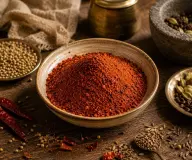
Want to nail it every time?
No more hunting for the right spices: our kit brings together every spice in this recipe (genuine spices from India, perfectly measured) along with an even more detailed and authentic recipe than this one. You save time, and real Indian spices make all the difference.
Ingredients
- Chicken drumsticks (or 1 whole chicken, cut): 8
- Lime juice: 1
- Salt: 1 tablespoon
- Garlic/ginger paste: 1 tablespoon
- Thick Greek yogurt: 150g
-
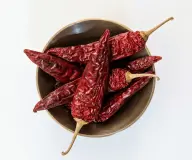
Kashmiri red chilli: 2 tablespoons
-
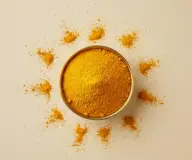
Turmeric: 1 teaspoon
-
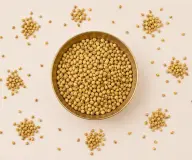
Coriander seeds (for the masala): 2 tablespoons
-
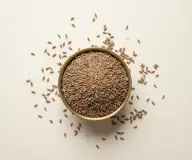
Cumin seeds (for the masala): 1 tablespoon
-
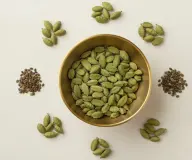
Green cardamom: 4-5 pods
-
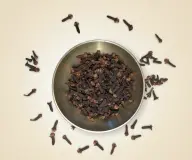
Cloves: 3
-
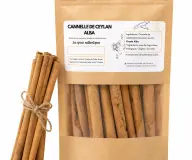
Ceylon cinnamon stick: 1
-
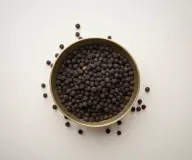
Black peppercorns: 1 teaspoon (optional)
-
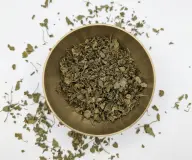
Kasuri methi (dried fenugreek leaves, crushed): a pinch, for finishing
Instructions
-
1
The homemade masala: dry-toast the coriander and cumin seeds, the cardamom, the cloves and the cinnamon stick in a pan over medium heat for 2 to 3 minutes. Stir constantly and pull the pan off the heat as soon as the cumin darkens and the aroma rises: a few seconds too long is all it takes for bitterness to set in. Let everything cool completely before grinding, or you will end up with a paste instead of a powder.
-
2
Drain the yoghurt: tip the Greek yoghurt into a sieve lined with a fine cloth and leave it in the fridge for 30 minutes to 1 hour. This is the step everyone skips and the one that decides the result: yoghurt that is too wet slides off the chicken instead of clinging to it, then releases its water in the oven and steams the meat instead of searing it.
-
3
The lime flash: cut deep slashes into the chicken, right down to the bone, two or three per piece. Rub with the lime juice, the salt and the ginger-garlic paste, then rest for 20 minutes. The slashes are not decorative: they open a path for the salt and the acid, and shorten the cooking time to the bone.
-
4
The royal coating: mix the drained yoghurt with the freshly ground masala, the Kashmiri chilli and the turmeric. Massage the chicken at length so the paste works into every slash.
-
5
Patience: marinate in the fridge for at least 6 hours, ideally overnight. Take the chicken out 30 minutes before cooking: meat straight from the fridge dries out on the surface before it is cooked through.
-
6
The fire: on a barbecue, 5 minutes per side over live coals, then 20 minutes in a cooler zone with the lid down. In the oven, 240 °C on a rack with a tray underneath to catch the juices, 25 minutes, brushing with melted butter halfway through. In a fireplace, on a raised grill above oak or beech embers.
-
7
The char: this is the signature of tandoori, and a domestic oven will not deliver it on its own. Finish for 2 to 3 minutes under the grill without taking your eyes off the tray. You are after localised black blisters along the edges, not an even browning.
-
8
Cooked right: pierce the thickest part of the drumstick. The juices should run clear, with no pink trace; on a thermometer, aim for 74 °C at the core, keeping clear of the bone.
-
9
The rest: let the chicken rest for 5 minutes before serving. The fibres relax and the juices redistribute instead of running out onto the plate.
-
10
Serving: add a squeeze of lime at the very last moment and serve with warm naans, red onion rings and a mint chutney. To finish it the Indian way, crush a pinch of kasuri methi between your palms over the dish.
Tips
A masala ground at the last minute releases essential oils that shop-bought powder lost long ago. That is the first gap in flavour between this and a canteen tandoori.
Kashmiri red chilli gives the colour without artificial dye. It is a mild chilli (1,000 to 2,000 Scoville units against 30,000 to 50,000 for cayenne) but one of the richest in capsanthin in the world: in India it is bought for its colour value, not its heat. That is what lets you use two tablespoons without making the dish fiery. A restaurant tandoori often owes its vivid red to food colouring: yours will be more orange, and that is a good sign.
For a distinctly brighter red, still with nothing artificial: steep the chilli in a fat before adding it. The pigment is fat-soluble, which is why a fat extracts the colour far better than yoghurt alone. One teaspoon of Kashmiri chilli in two tablespoons of warm ghee, off the heat, for five minutes, then pour the lot into the marinade. It is the principle of the Indian tadka, applied to colour.
And the smokiness? It comes not from a spice but from the oven. A tandoor runs at 450 °C and the fat dripping onto the coals rises back through the meat as smoke. The home equivalent is called dhungar: set a small bowl in the middle of the marinated chicken, drop in a glowing piece of charcoal, pour a teaspoon of ghee over it and cover at once. Two to three minutes is enough. That is what people are really reaching for when they pick up smoked paprika, which is Spanish, not Indian: in India chillies are dried in the sun, never over smoke.
No barbecue? A very hot oven followed by a few minutes under the grill reproduces the essentials of a tandoor: dry, brutal heat, then direct contact with the flame at the end.
Chicken on the bone but skinless is the best compromise: the bone protects the flesh from drying out, and the absence of skin lets the marinade cling directly to the meat.
Spices used
Find the spices from this recipe in our shop.
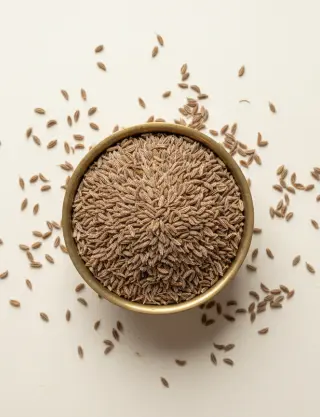
Cumin seeds
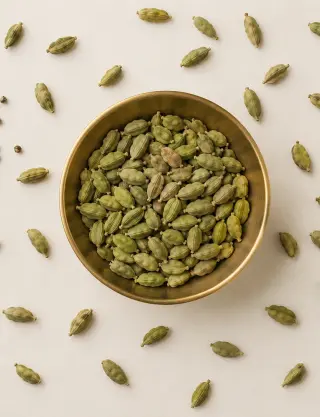
Palakudi Green Cardamom
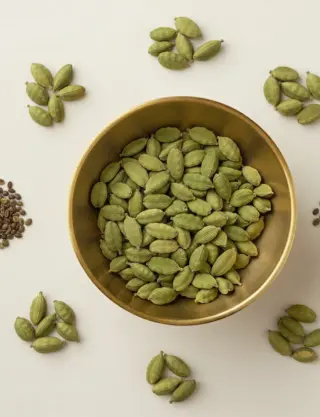
Njallani Green Cardamom
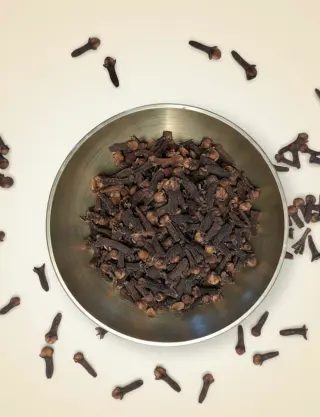
Whole Cloves
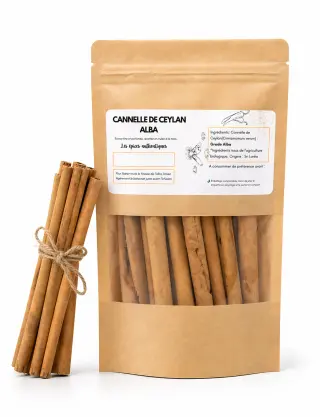
Ceylon Cinnamon Alba
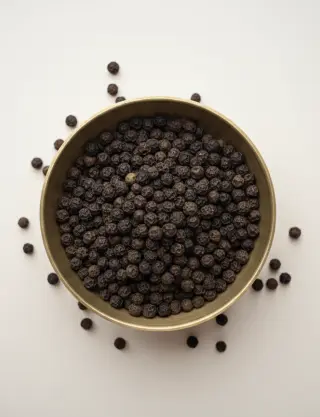
Whole Malabar black pepper
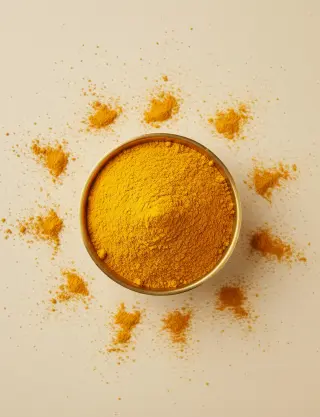
Lakadong Turmeric Powder
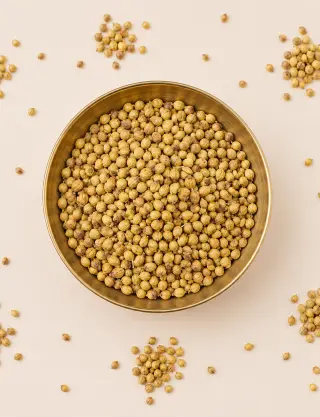
Coriander Seeds
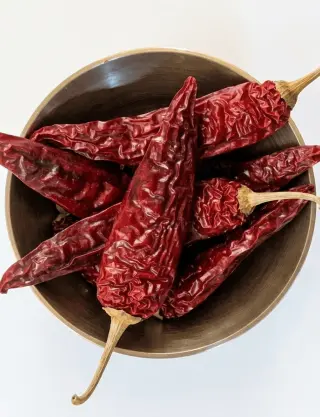
Kashmiri Red Chili
Get this recipe by email
Receive the recipe in PDF format directly in your inbox, ready to print.
Your email will only be used to send you the recipe. See our privacy policy.
Reviews
No reviews yet
Be the first to review this recipe!