Delivery starting at €3.99 to a pickup point in France • Free delivery on orders of €45 or more!
Loading...

Garam Masala

1 reviews
Origin :
India
Quality :
Premium
Type :
Ground roasted spice blend
Certified organic supplier Pesticide-free

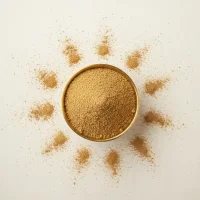
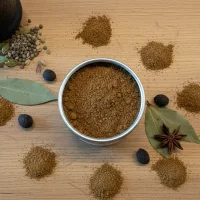
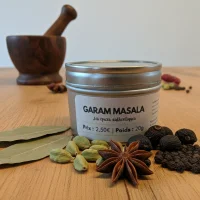
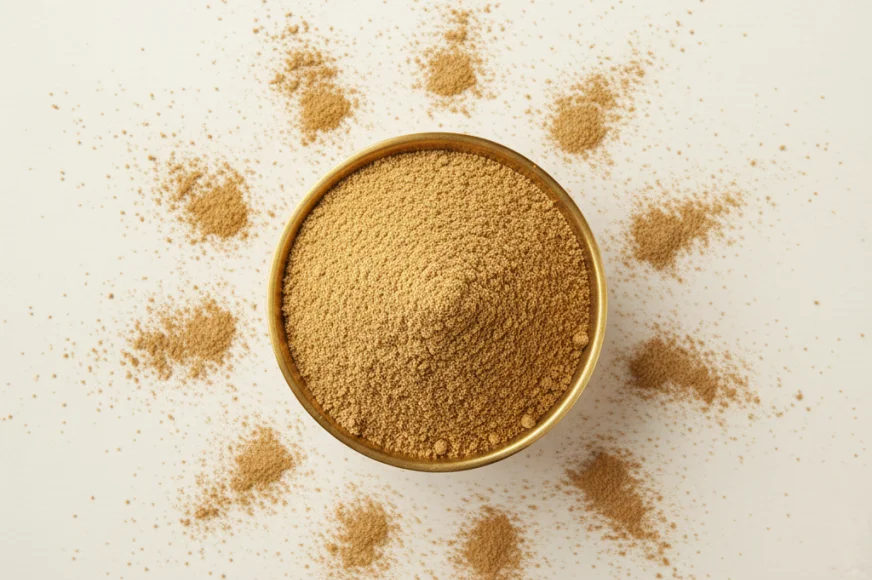
Discover our authentic Garam Masala, traditional roasted spice blend from India. Warm, complex and deeply aromatic, the very essence of Indian cuisine.

€2.50
€125.00/kg
By purchasing this product, you add €0.08 to your loyalty account, redeemable as a discount on your next order!
Loading...

Ready for shipping, delivery time 2-5 business days

Delivery from €3.99 at Mondial Relay pickup points. Free shipping from €45.

Free spice samples with every order.

Mondial Relay
Colissimo
Chronopost
  • Garam Masala: India's iconic spice blend

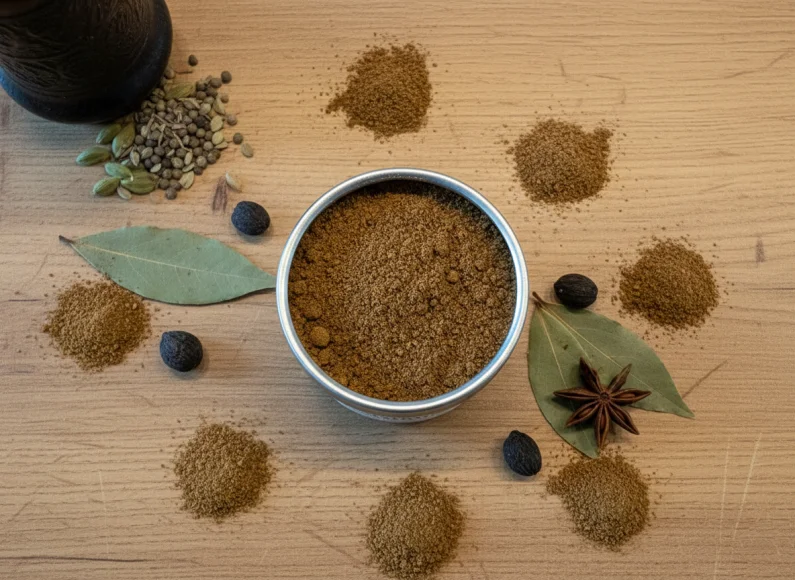
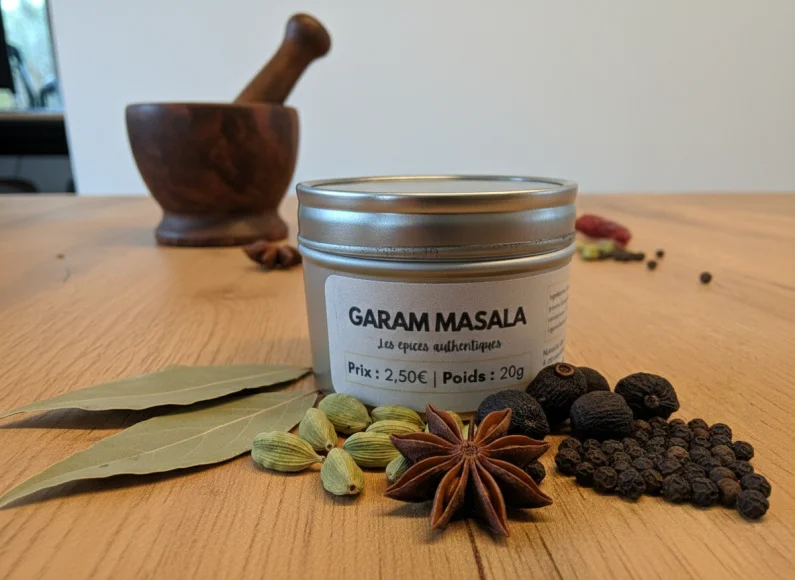
    Our authentic Garam Masala is a blend of carefully selected spices roasted according to Indian tradition. Composed of cinnamon, mace, black pepper, coriander seeds, cumin and cardamom pods, each spice is first dry-roasted to release its aromas, then finely ground. This artisanal process guarantees a rich, warm and complex aromatic profile.

    Why choose our authentic Garam Masala?

    The name "Garam Masala" literally means "hot spices," as this blend has the property of warming the body and activating metabolism. Unlike industrial blends, our Garam Masala is prepared from whole spices freshly roasted and ground, thus preserving all the aromatic power and digestive benefits of each ingredient. It's the signature spice that transforms an ordinary dish into an authentic Indian feast.

    Culinary uses:

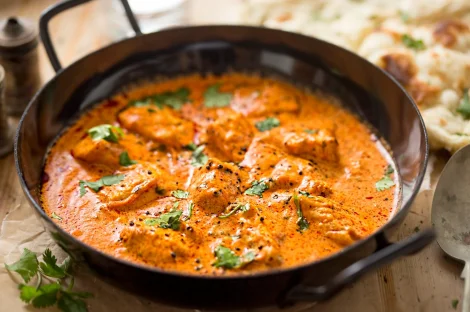
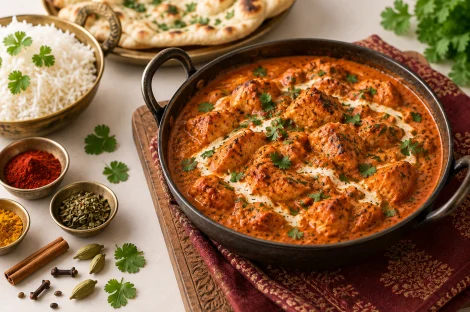
    • Indian curries (butter chicken, tikka masala, channa masala)
    • Biryanis and fragrant rice
    • Dal and lentil dishes
    • Spiced soups and stews
    • Roasted vegetables and stir-fries
    • Marinades for tandoori and kebabs

    Composition:

    Cinnamon, mace, black pepper, coriander seeds, cumin seeds and cardamom.

    Origin and quality:

    We select our spices exclusively from certified organic producers in India, to guarantee you an authentic blend of premium quality.

    Storage:

    To preserve all its complex aromas, store your Garam Masala in a dry place, away from light and humidity, in its airtight packaging.

  • Stimulates digestion and metabolism

    Increases body heat naturally

    Reduces acidity and bloating

    Promotes appetite

    Regulates gastric juices

    Anti-inflammatory properties

    Rich in antioxidants

    Supports gastrointestinal health

  • Nutritional declaration per 100g

    Nutritional component Per 100g
    Energy 1 506 kJ / 360 kcal
    Fat ~ 15 g
    of which saturated fat ~ 2,5 g
    Carbohydrates ~ 48 g
    of which sugars ~ 5 g
    Dietary fiber ~ 25 g
    Proteins ~ 14 g
    Salt ~ 50 mg
    Sodium ~ 50 mg
  • Supplier certified organic Yes
    Pesticides free Yes
    Origin India
    Quality Premium
    Type Ground roasted spice blend
    Taste profile Warm, complex and deeply aromatic with spicy, sweet and slightly peppery notes
    Composition Cinnamon, mace, black pepper, coriander, cumin, cardamom
  • Découverte : ce mélange est apprécié !
    Son goût est très relevé : à utiliser avec parcimonie pour ceux qui, comme nous, n'ont pas l'habitude de manger si "piquant".
    Florence Turmeric Verified purchase Published on Jan 14, 2026 · Purchased on Jan 4, 2026
    Add your review
    View more

Kits using this spice

Discover our kits with recipes to learn how to use this spice

Learn more

  • Garam Masala is one of the finest expressions of India's culinary philosophy: a spice blend that is precise yet infinite, rooted in three thousand years of Ayurvedic medical principles, refined in the royal Mughal kitchens, and passed down through the generations as a living family heirloom.

    The term garam masala comes from Hindi and Urdu: garam means 'hot' or 'warm' — not the pungency of chilli, but the metabolic warmth these spices are believed to generate in the body according to Ayurvedic medicine. Masala simply means 'spice blend'. Garam Masala thus translates literally as 'warming spice blend'.

    The Ayurvedic origins — medicine before gastronomy

    The origins of Garam Masala lie deep in Ayurveda, the Indian medical system that dates back more than 3,000 years. According to Ayurvedic principles, health is maintained through the balance of three doshas — Vata, Pitta and Kapha — and spices are used not only to flavour food but to correct constitutional imbalances. Cinnamon warmed the body and improved circulation; black pepper stimulated digestion; cardamom soothed the stomach; clove purified breath and intestines. Garam Masala in its original sense was not a seasoning — it was a daily medical prescription, integrated into food to maintain health.

    Precursors of Garam Masala appear in culinary texts predating the Mughal Empire. The Ni'matnama, a recipe book compiled by the Sultan of Malwa Ghiyath Shah and his son Nasir Shah between 1495 and 1505 — some twenty years before Babur founded the Mughal Empire — mentions dishes using complex and elaborate spice blends evocative of Garam Masala. Even earlier texts, from the 11th and 12th centuries, already mention similar blends.

    It was nevertheless the Mughal Empire that standardised and popularised Garam Masala as we know it today. The Mughal court kitchens (bawarchikhanas) of the 16th and 17th centuries are characterised by complex spice blends including saffron, rose petals and dried fruits. These exceptional spices — several of them coming from afar (cinnamon from Sri Lanka, nutmeg and clove from the Moluccas in Indonesia, black cardamom from the eastern Himalayas) — were exorbitantly expensive and reserved for the royal kitchens.

    The Persian connection — Garam Masala and Iranian advieh

    A fascinating detail in the history of Garam Masala is its relationship with Persian cuisine. The Iranian blend advieh (the aromatic Persian spice mix) is believed to be an Indian import. During the 16th and 17th centuries, the Mughal rulers were heavily influenced by Persian culture and often had Persian chefs at their court. These chefs most likely introduced Garam Masala to Iran upon returning home. In other words, Garam Masala and Persian advieh are so close because they share the same source — the Mughal court kitchens where Indian and Persian cooks collaborated.

    Garam Masala across languages

    LanguageName
    FrenchGaram masala · Mélange d'épices indien chaud
    Hindi / UrduGaram masala (गरम मसाला) — garam = hot · masala = blend
    SanskritUshna masala (hot spices) · Vyanjana (condiment)
    BengaliGaram moshla
    PunjabiGaram masala
    TamilGaram masala (term borrowed from Hindi)
    Persian (Iran)Advieh (related blend, bidirectional influence)
    EnglishGaram masala · Warm spice blend
    SwahiliBinzari za kari (via the Indian diaspora)

    The etymology of both words is direct and transparent. Garam comes from the Sanskrit gharma (heat, sun) — the same root that gives 'warm' in English via the Proto-Indo-European languages. Masala comes from the Sanskrit mishrana (mixture), via the Persian musal (an instrument for grinding). This etymological link to blending and warmth captures perfectly the philosophy of Garam Masala: a blend intended to warm the body in the Ayurvedic sense of the term.

    Did you know?

    • Garam Masala is not a single recipe but a family of blends — there are as many versions as there are Indian families
    • The word 'garam' does not mean 'pungent' but 'warm' in the metabolic sense — the warmth that stimulates digestion according to Ayurveda
    • 'Curry powder' is a British invention from 1784, sold by a London perfumery — it does not exist in traditional Indian cuisine
    • The Mughals had Persian chefs at their court, which explains the kinship between Garam Masala and Iranian advieh
    • An authentic Garam Masala generally contains neither turmeric nor chilli — unlike curry powder
    • The number of spices in a Garam Masala varies from 3 to more than 32 depending on regional recipes
    • In 1972, a Madras court declared the label 'Madras Curry Powder' misleading — because it bears no relation to actual Madras cuisine

  • Composition — the spices of Garam Masala

    There is no universally accepted list of ingredients, but rather a core of recurring spices and a list of optional additions that allows for regional and personal variation.

    The common core — almost always present

    SpiceAromatic role in the blend
    Green cardamom (Elettaria cardamomum)Fresh, sweet floral note — the most important aromatic element in northern Garam Masala
    Black cardamom (Amomum subulatum)Smoky, camphorous, deep note — gives the blend its roundness and structure
    Cinnamon (Cinnamomum sp.)Sweet warmth, sweet-spicy dimension — binds the flavours together
    Cloves (Syzygium aromaticum)Intense heat, phenolic depth — powerful, always in small quantities
    Black pepper (Piper nigrum)Mild, lingering pungency, woody note — provides the main 'heat' of the blend
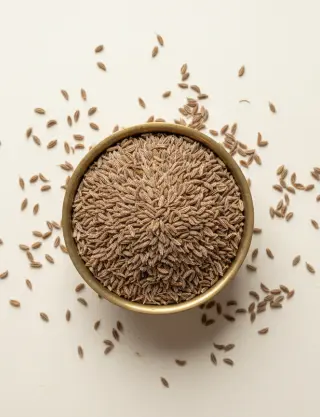
    Cumin (Cuminum cyminum)Earthy, warm note — present in most northern Indian recipes
    Coriander (Coriandrum sativum)Sweet citrus-floral note — rounds out and softens the blend

    Complementary ingredients — vary by region

    • Nutmeg (Myristica fragrans): warm, buttery, slightly sweet note — very prominent in Mughal and Kashmiri versions
    • Mace (the aril of nutmeg): more delicate than nutmeg, with a floral-woody note — often preferred in premium blends
    • Star anise (Illicium verum): anise and liquorice note — more common in eastern Indian versions and in biryanis
    • Fenugreek (Trigonella foenum-graecum): slightly bitter note, maple syrup — in some Rajasthani and Gujarati versions
    • Kashmiri chilli: deep red colour, mild heat — Kashmiri Garam Masala
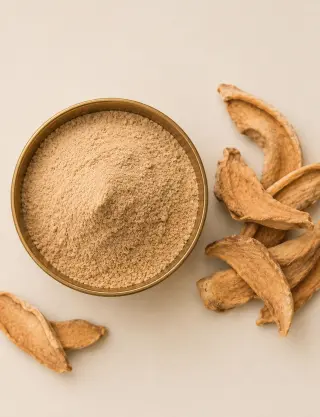
    • Dried ginger (Zingiber officinale): warm, pungent note — Punjabi and Kashmiri versions
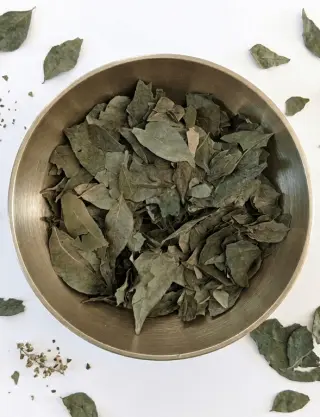
    • Indian bay leaves (Cinnamomum tamala / Tej Patta): a note somewhere between cinnamon and clove — northern versions
    • Fennel (Foeniculum vulgare): sweet, anise-like note — Kashmiri and Punjabi versions to temper the heat
    • Dried rose petals: in premium Mughal-style Garam Masalas — a refined floral note

    Regional variations

    RegionCharacteristics of the Garam Masala
    Kashmir / PunjabGreen cardamom, coriander, cumin, fennel, cinnamon, cloves, black pepper, bay leaves, nutmeg. More aromatic and floral. Used for rogan josh, biryani, chicken tikka masala.
    Punjab (simple version)Green cardamom, cinnamon, cloves, black pepper, bay leaves. A more concentrated, highly aromatic blend. Distinguished by its meticulous toasting.
    BengalOften reduced to just 3-5 spices — green cardamom, cinnamon, clove, sometimes nutmeg and mace. Simple but very aromatic. Bengal favours precision over complexity.
    MaharashtraMay include sesame seeds, dried ginger, coriander and chillies. Earthier and warmer than northern versions.
    RajasthanOften spicier, with cayenne, long pepper and black pepper in significant amounts. Suited to the rich dishes of desert cuisine.
    GujaratEnriched with cloves and cinnamon in large amounts. A cuisine influenced by age-old trade with the Middle East.
    Chettinad (Tamil Nadu)Technically different but functionally close — kalpasi, marathi mokku, black pepper in quantity, black cardamom. The most elaborate southern Indian version.

    The family Garam Masala — a kitchen secret passed down as heritage

    In India, the true Garam Masala is not the supermarket one — it is the one prepared by the mother or grandmother of the household, according to a recipe that resembles no other. Recipes vary not only from region to region, but also from one kitchen to another and from one cook to another. Some are chef's secrets, others family inheritances passed down through generations. This heritage dimension is fundamental — Garam Masala is a cultural object as much as a condiment.

  • Garam Masala offers an aromatic profile of remarkable richness — warm, complex, floral and deep, never monolithic. Unlike curry powder, which has a standardised, yellow taste, authentic Garam Masala unfolds a palette of subtle, shifting flavours that vary with the composition and toasting of the spices.

    The garam paradox — warm but not pungent

    The biggest confusion around Garam Masala — particularly in Europe — is the belief that it is pungent or strong. In Ayurveda, foods are classified by their virya (thermal energy): ushna (hot / warming) and shita (cold / cooling). This warmth has nothing to do with the pungency of chilli (capsaicin) — it is a metabolic warmth that refers to a food's ability to stimulate metabolism, digestion and circulation.

    Garam does not mean pungent

    Garam Masala generally contains no chilli. The source of its 'warmth' is black pepper (piperine), cinnamon and clove (eugenol) — aromatic compounds that create a sensation of oral warmth and digestive stimulation, but very different from the burn of chilli. Some recipes include chilli for those who enjoy heat — but it is an optional addition, not a constituent element of authentic Garam Masala.

    Toasted vs raw — two different profiles

    TypeAromatic profile
    Toasted Garam MasalaRicher, deeper, slightly smoky aromas. Heat develops additional Maillard compounds. Best used as a finishing touch or at the start of cooking in hot fat.
    Raw Garam MasalaFresher, more volatile, more floral aroma. Preferably used as a finishing touch, sprinkled on the dish just before service.
    As a pasteSpices ground with vinegar, water or coconut milk. A tradition of Rajasthan and southern India.

    Chef's tip

    Always toast and grind your spices yourself just before use. Volatile aromatic compounds evaporate quickly after grinding. A homemade Garam Masala made from whole, toasted spices offers a richness and freshness that no shop-bought powder can match. Store the ground blend in an airtight jar and use it within 4 to 6 weeks.

  • Garam Masala is a blend of remarkable versatility. In Indian cooking, the question of when to add it is one of the most debated: there is no single answer, but clear principles depending on the effect sought.

    At the start of cooking — in hot fat

    • When you want Garam Masala to infuse the dish deeply — hot oil or ghee extracts the fat-soluble compounds and distributes them throughout the preparation
    • For long-cooked dishes (biryanis, nihari, rich dals) where depth matters more than aromatic freshness
    • Use a more coarsely ground Garam Masala to prevent it from burning

    At the end of cooking — as a finish

    • To preserve the volatile aromas (terpenes, essential oils) that evaporate under heat — cardamom, cinnamon and pepper in particular
    • For quick-cooked dishes and delicate preparations where aromatic freshness is paramount
    • Classic technique: a pinch of freshly ground Garam Masala sprinkled on a dal or curry just before serving radically transforms the aromatic perception of the dish

    In Indian cuisine

    • Biryanis: tucked between layers of rice and meat to perfume each mouthful delicately
    • Dals and curries: as a finishing touch, a pinch sprinkled before serving for a complex aroma
    • Rogan josh: Kashmiri Garam Masala is the soul of this emblematic lamb dish
    • Chicken tikka masala: essential in both the marinade and the sauce
    • Nihari: in this slow-simmered stew, it infuses the meat deeply
    • Chapatis and naans: a pinch in the dough for a perfumed bread

    In French cuisine — pairings and uses

    Garam Masala in French cooking

    Garam Masala is a versatile flavour enhancer that adapts to contemporary French cuisine with subtlety. The key is restraint — Garam Masala in French cooking should be a background note, not a leading role.

    • Lamb jus or red wine sauce: a pinch for a deep aromatic dimension
    • Finishing butter: to accompany grilled red meats
    • Leg of lamb with prunes: in the marinade for an enveloping warmth
    • Apple pie or chocolate mousse: a touch for an unexpected warm dimension
    • Mushroom risotto: for depth — an emerging trend among chefs
    • Squash or sweet potato velouté: Garam Masala reveals the natural sweetness of the vegetables

    Recipe — Making your own Garam Masala

    Universal northern Indian base (about 4 tablespoons):

    Method: Dry-toast the whole spices (except the nutmeg) in a dry pan over medium-high heat for 1 to 2 minutes, stirring constantly. Remove immediately from the heat and tip onto a cold plate. Once cooled, grind finely. Grate the nutmeg and add it to the powder. Keep in an airtight jar, away from light.

  • Garam Masala is a veritable pharmacopoeia in miniature. Each of its ingredients has medicinal properties individually documented — and their combination creates synergistic effects that Ayurvedic medicine anticipated for millennia before modern science began to validate them.

    Documented properties of the blend

    • Digestive and carminative: the combination of cumin, cardamom, coriander and ginger stimulates the secretion of digestive enzymes, reduces bloating and improves nutrient absorption. In Ayurveda, Garam Masala is used to 'raise body temperature and treat the common cold'
    • Systemic anti-inflammatory: each spice in Garam Masala — cinnamon (cinnamaldehyde), clove (eugenol), black pepper (piperine), cardamom (cineole), cumin (cuminaldehyde) — shows anti-inflammatory properties independently validated by research
    • Powerful antioxidant: the combined ORAC index of Garam Masala is among the highest of any culinary preparation. The polyphenols from the various spices act synergistically to neutralise free radicals
    • Blood-sugar regulation: the piperine in black pepper, the cinnamaldehyde in cinnamon and the polyphenols in cardamom have all been individually associated with improved insulin sensitivity
    • Oral and dental health: the eugenol of clove and the terpenes of cardamom are particularly active against periodontal pathogens
    • Potential anticancer activity: the glucosinolates of cumin and coriander, the terpenes of cardamom and the eugenol of clove have all been studied for their effects on cancer cells — the molecular foundations are solid

    Main active compounds by spice

    SpiceMain active compoundKey property
    Black pepperPiperineBioavailability enhancer, digestive, anti-inflammatory
    CinnamonCinnamaldehydeBlood-sugar regulation, antibacterial, warming
    CloveEugenolPowerful antioxidant, antibacterial, analgesic
    Green cardamomCineole (1,8-cineole)Digestive, detoxifying, refreshing
    CuminCuminaldehydeDigestive, carminative, anti-inflammatory
    CorianderLinaloolSoothing, digestive, antioxidant
    NutmegMyristicinMild sedative, digestive, anti-inflammatory

    Precautions for use

    Garam Masala is a condiment and should be used in normal culinary quantities. At high doses, some of its spices (nutmeg, clove) can have unwanted effects. Not recommended in large quantities in cases of gastric ulcer or gastritis. Pregnant women should consult their doctor about higher dosages.

  • How to recognise a good Garam Masala

    • Colour: red-brown to dark brown — the colour of toasted spices. Never yellow or orange (a sign of dominant turmeric, typical of industrial curry powders)
    • Aroma: an immediate, complex and warm smell on opening — cardamom, cinnamon and clove should be recognisable. If the smell is faint or monolithic, the blend is old or of industrial quality
    • Ingredients: whole spices identifiable on the label (green cardamom, black cardamom, cinnamon, cloves, black pepper, cumin, coriander) — no extracts, artificial flavourings or additives
    • Absence of turmeric: an authentic Garam Masala generally contains no turmeric — this is the fundamental difference from curry powder
    • The best option: make your own Garam Masala with whole, toasted spices — it is simple, quick and the result is incomparably superior

    Storage advice

    • Store in an airtight glass jar, away from direct light and moisture
    • Never store above the stove — heat and steam degrade the essential oils
    • Optimal shelf life: 4 to 6 weeks once ground for maximum aroma; whole spices keep far longer (6 months to 1 year)
    • Ideally, keep the whole spices separate and toast and grind the blend only at the moment of use
    • Signs of decline: weakened aroma, faded colour, flat taste lacking complexity and warmth
  • Does Garam Masala contain turmeric?

    No — authentic Garam Masala generally contains no turmeric. This is one of the most widespread confusions, fuelled by industrial curry powders that turn yellow because of turmeric. Authentic Garam Masala is red-brown to dark brown — the colour of toasted spices. If your Garam Masala is yellow, it contains turmeric and is closer to a curry powder than to a traditional Garam Masala.

    Can you replace Garam Masala with curry powder?

    No — they are two radically different products. Curry powder is a British invention based on turmeric, coriander, cumin, fenugreek and chilli — it stains yellow and has a standardised aromatic profile. Garam Masala is a red-brown blend of warm spices (cardamom, cinnamon, clove, pepper, cumin, coriander) without turmeric — aromatic and deep. Substituting one for the other completely transforms the dish.

    Is Garam Masala spicy?

    No — this is the most common confusion. The word garam means warm in the metabolic sense (stimulation of digestion and circulation according to Ayurveda), not pungent in the chilli sense. The warmth of Garam Masala comes from black pepper (piperine), cinnamon and clove (eugenol) — aromatic compounds very different from the capsaicin of chillies.

    How do you make your own Garam Masala?

    Dry-toast whole spices (coriander seeds, cumin, black pepper, green and black cardamom, cinnamon, cloves, bay leaf) in a dry pan for 1-2 minutes. Let cool, then grind finely. Add grated nutmeg. Store in an airtight jar and use within 4-6 weeks. The result is incomparably superior to any shop-bought powder.

    Is Garam Masala gluten-free and vegan?

    A pure Garam Masala — made only of whole toasted and ground spices — is naturally gluten-free, free of major allergens and entirely vegan. However, some industrial formulations may contain anti-caking agents or additives. Check the label, or prepare your Garam Masala yourself to be sure.

    Why does 'curry powder' not exist in India?

    Curry powder is a British invention from 1784, sold by a London perfumery to officers returning from the colonies. In India, each dish has its own spice blend, fresh and specific — there is no concept of curry powder. The word curry itself is a colonial distortion of the Tamil word kari (sauce). India has more than 30 distinct regional cuisines, each with its own names and techniques.

Recipes with Garam Masala

Pourquoi choisir Garam Masala de La Table Indienne ?

Icône de cible

Fraîcheur et qualité exceptionnelles

Nos épices sont importées directement d'Inde et conditionnées à la demande pour garantir une fraîcheur optimale. Contrairement aux épices vendues en grande surface qui peuvent rester des mois sur les étagères, nous veillons à ce que chaque épice conserve toute sa saveur et son arôme.

Icône de cible

Authenticité et traçabilité

Chaque épice provient de régions spécifiques en Inde réputées pour leur savoir-faire. Nous travaillons directement avec des producteurs locaux qui cultivent leurs épices de manière traditionnelle et biologique, sans pesticides ni produits chimiques.

Icône de cible

Comment bien utiliser cette épice ?

Pour révéler tous les arômes, nous recommandons de faire légèrement griller les épices entières à sec dans une poêle avant de les moudre. Conservez-les dans un endroit sec et à l'abri de la lumière pour préserver leur fraîcheur le plus longtemps possible.

Icône d'étoile

Le saviez-vous ?

Les épices entières sont bien meilleures que les épices moulues
Consultez notre article de blog pour découvrir pourquoi les épices entières conservent mieux leurs arômes.

Questions & Answers

Thank you! Your question has been sent. Mihika will answer soon and you will receive an email.

Ask Mihika your question

Your email will not be published. It is only used to notify you of the answer.

Garam Masala

€2.50