



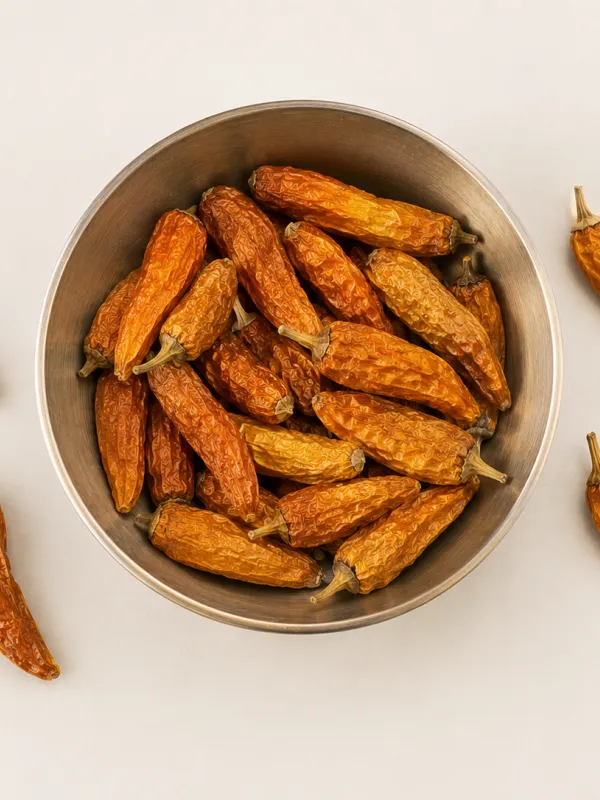


How we choose our spices
Samples tested in our own kitchen, small Indian producers, batches of a few kilos, and spices ground to order in our workshop in Alsace.
Farms and small traders, no wholesalers
Mihika contacts the producers herself. We buy directly from farms or from small local traders, never from wholesalers: the producer sets the price, and we know where each spice comes from. From Kerala to Meghalaya, our spices come from some fifteen Indian states.
- spices in the catalogue
- 67
- Indian states represented
- 15
How it works
-
Mihika contacts the producer
-
They send us a sample
-
We test it in our kitchen
-
If it convinces us, we import a few kilos
Two or three trials before choosing
It all starts with a sample. We smell it, taste it and cook with it. A clove should release a bead of oil when pressed; for turmeric we want Lakadong, a variety known for its high curcumin content. It usually takes two or three suppliers before we find the right one. We also look at how responsive they are: between the monsoon and festivals such as Diwali, when everything stops, logistics in India mean being able to rely on each other.
What makes us turn a batch down
- Insects in the batch
- Any trace of mould
- Foreign matter in the spice
- A weak smell, the sign of a spice that is too old
- A supplier who does not reply
Tested in our kitchen, every day
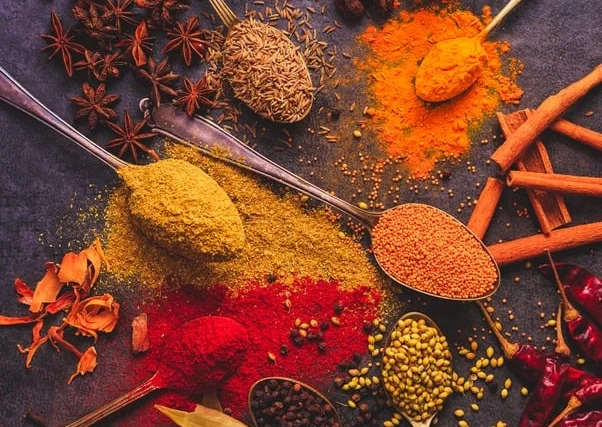
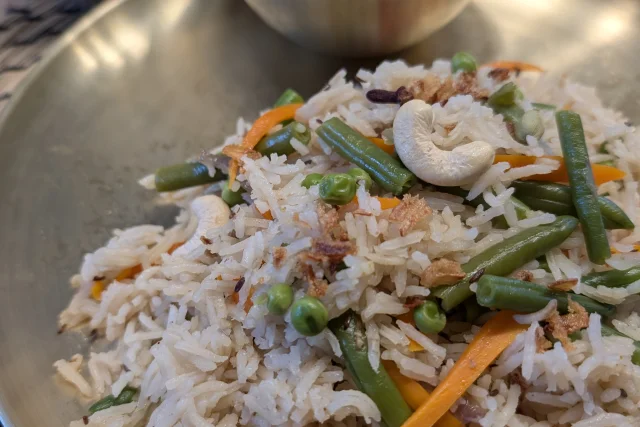
The two of us, Mihika and Quentin, do the testing, in the dishes we cook day to day. It all clicked with a simple pulao: cinnamon, pepper and cloves, just fried in oil. The aroma was nothing like what Mihika had been using until then, cassia cinnamon and old cloves that were dry and brittle. Since then we have only sold what we use ourselves.
What we look for when cooking
- The smell when the pouch is opened
- The aroma when the spice hits hot oil
- The taste in the finished dish
A few kilos at a time
When we launch a spice, we import two or three kilos. Once it has found its public, five to ten kilos, never really more, and we restock three to four times a year. Only a few months pass between harvest and your kitchen. The trade-off: a spice may be out of stock until the next shipment.
- to launch a spice
- 2-3 kg
- per batch, no more
- 5-10 kg
- shipments a year
- 3-4
What it changes for you
- A spice harvested a few months ago, not years
- Aromas that are still there when you open it
- Sometimes out of stock until the next shipment
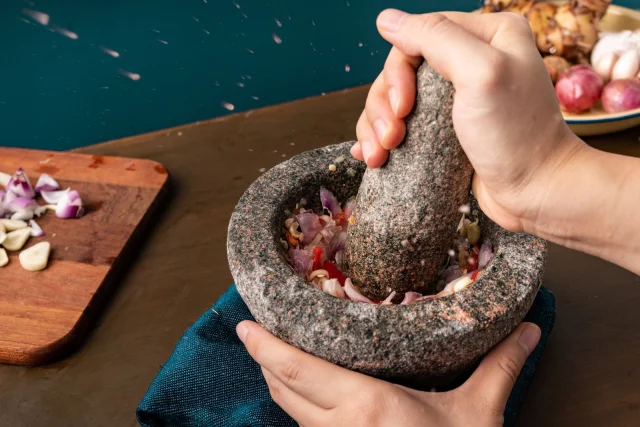
Ground and packed to order, in Wittisheim
Wherever possible we buy spices whole and grind them ourselves, to order. Everything is prepared by hand in our small family workshop in Wittisheim, Alsace: ground spices, blends and kits. There are two of us, so allow 24 to 72 hours of preparation depending on the size of the order.
- to prepare your order
- 24-72 h
Handmade, to order
- Spices are ground when you place your order
- Blends and kits are put together by hand
- A team of two
- 24 to 72 hours of preparation
Packaging that is used twice
Our pouches are compostable doypacks. For something more durable we offer metal tins on deposit: you return them, we reuse them, and you receive loyalty points in exchange.
-
The doypack, a compostable pouch
-
The metal tin, reusable and on deposit
-
Loyalty points when you return your tins
Blends designed in-house
Mihika also creates our blends: chai masala, golden milk, tandoori spices. Each one is developed and tested in our kitchen before we offer it, and others are always in the works.
- Chai masala
- Golden milk
- Tandoori spices
- More in the works
What comes next
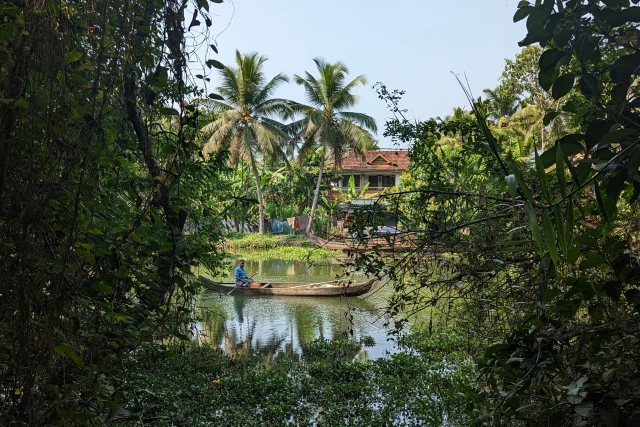
We have not yet visited our producers' farms: that is planned for our next trips to India, starting with Kerala. We also plan to have our spices laboratory-tested as soon as our volumes allow. And in the longer term we dream of an agroforestry plantation; we still need to train before we can talk about it seriously.
Our plans
-
Visit the farms, starting with Kerala
-
Have our spices laboratory-tested
-
Train in agroforestry
Taste the difference
Discover the spices we have chosen, and what the people who cook with them say.