United States: delivery from €25.30.
Loading...

Cumin Powder

1 reviews
Origin :
Gujarat, India
Quality :
Premium
Type :
Powder
Direct selection of smallholder producers Pesticide-free

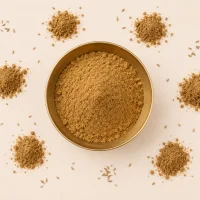
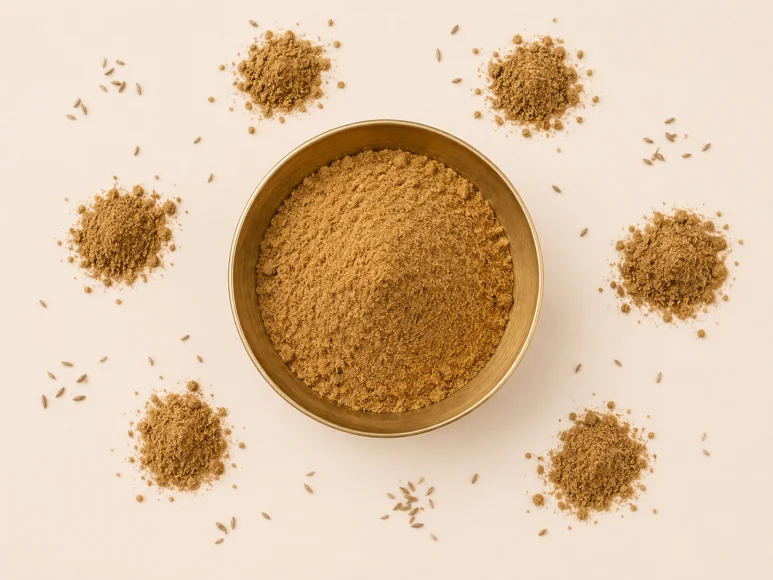
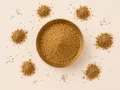
Discover our cumin powder, ground from selected seeds from Gujarat, India. Earthy, warm and slightly smoky flavour to season your curries, dhals and everyday dishes.

€2.00
€100.00/kg
By purchasing this product, you add €0.08 to your loyalty account, redeemable as a discount on your next order!
Loading...

Ready for shipping, delivery time 3-21 business days

Delivery from €4.80 at Mondial Relay pickup points.

Mondial Relay
Colissimo
Chronopost

Cumin Powder: the essential spice of Indian cuisine

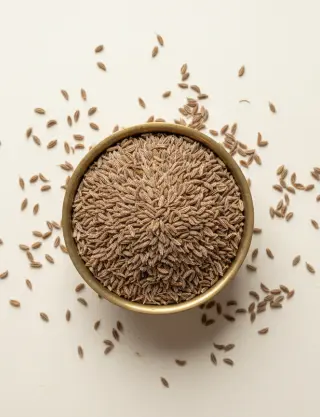
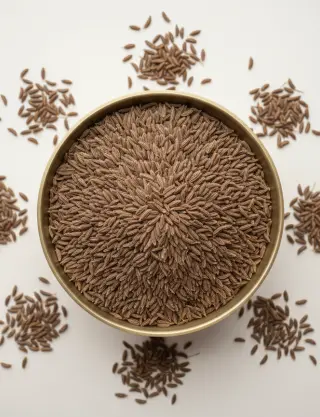
Cumin is the most iconic spice in Indian cooking, and its powder form appears in nearly every dish on the subcontinent. Our cumin seeds are carefully selected from the plains of Gujarat, a region renowned for producing some of the finest cumin seeds in the world. Cold-ground to retain their aromatic intensity, they offer an earthy, warm and slightly smoky flavour that gives character to every dish.

Why choose cumin powder?

Cumin powder is ideal for quick everyday use: it blends instantly into preparations without prior roasting, and its intense aroma spreads evenly through sauces and marinades. Unlike seeds, it is perfect for dishes in sauce where a smooth, lump-free profile is desired. It is indispensable in hummus, falafels and many Mediterranean cuisines.

Culinary uses:

  • Curries and dhals for an earthy, warm aromatic base
  • Hummus and falafels for an authentic Mediterranean flavour
  • Marinades for grilled meat and vegetables
  • Raitas and yoghurt sauces for an aromatic touch
  • Everyday seasoning for vegetables, soups and slow-cooked dishes

Origin and quality:

We source our cumin from Indian producers who grow it without pesticides, to guarantee you a product of premium quality.

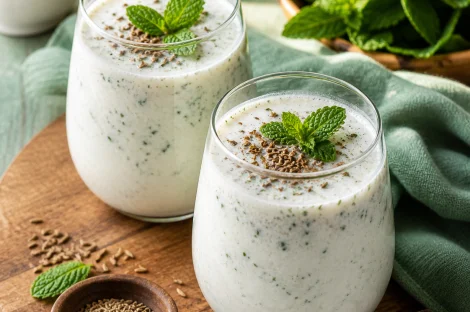
For a surprising use beyond curries, try it in our nimbu paani recipe, the Indian spiced lemonade.

Storage:

To preserve all its aromas, store your cumin powder in a dry place, away from light and humidity, in its airtight packaging.

Improves digestion and stimulates digestive enzymes

Excellent source of iron

Boosts the immune system

Supports weight loss

Anti-inflammatory properties

Helps lower cholesterol

Regulates blood sugar levels

Natural antimicrobial properties

Nutritional declaration per 100g

Nutritional component Per 100g
Energy 1 567 kJ / 375 kcal
Fat ~ 22,3 g
of which saturated fat ~ 1,5 g
Carbohydrates ~ 44,2 g
of which sugars ~ 2,3 g
Dietary fiber ~ 10,5 g
Proteins ~ 17,8 g
Salt ~ 170 mg
Directly selected smallholder producers Yes
Pesticides free Yes
Origin Gujarat, India
Quality Premium
Type Powder
Taste profile Earthy, warm flavor with smoky and slightly bitter notes, characteristic of cumin.
The flavor of this ground cumin is very popular! It adds flavor to many everyday dishes!

Translated from French

Florence Turmeric Verified purchase Published on Aug 26, 2026 · Purchased on Jul 26, 2026
Add your review
View more

Learn more

  • Cumin is among the oldest known spices: traces dating back nearly 5,000 years have been found linked to mummification practices in ancient Egypt, where it was used both to scent embalming balms and to treat digestive ailments. The plant, native to the eastern Mediterranean and the Near East, was already cultivated in the Levant during the second millennium BCE.

    In ancient Greece, cumin was valued highly enough to be kept on the table in its own container, much as black pepper is today. The Romans used it widely in cooking and medicine, particularly to ease digestive troubles. European medieval cookbooks mention it frequently, evidence of its lasting place in the continent's culinary traditions.

    A spice that became Indian

    Cumin reached India via trade routes and became one of the most widely used spices across the subcontinent: it's part of garam masala, most curry blends, chutneys and many Ayurvedic preparations. Today, cumin is still considered the most commonly used spice in everyday Indian cooking.

    Did you know?

    Cumin's role in Texan chili con carne comes from a more specific story than a generic colonial import: in the 16th century, settlers from the Canary Islands of Moroccan descent settled in the San Antonio area of Texas. Their cuisine, already rich in cumin like the Moroccan cuisine it descended from, met the New World chili peppers unknown in Europe: from that encounter came the basis of chili con carne, one of the few dishes to claim a Texan rather than Mexican origin.

    An unlikely currency in medieval England

    Cumin had a rather unexpected use in medieval England: beyond its culinary and medicinal role, its seeds were sometimes used as a form of payment towards the rent of certain lands, a use documented in period leases that reflects its market value, comparable to other costly imported spices such as pepper.

    Whole seed or powder?

    Traditionally, Indian cooks toast and grind their cumin seeds right before use, to preserve as much of the volatile essential oils as possible. Ready-ground powder, more convenient day to day, remains a solid choice as long as it's stored properly and replaced regularly.

    Three millennia of uninterrupted trade

    The oldest written trace of cumin dates back to the Ebers Papyrus, an Egyptian medical treatise from around 1550 BCE that already lists its digestive uses. Egyptians also used it in the mummification process, believing it helped preserve the body for the journey into the afterlife.

    In ancient Greece, cumin was so prized it was kept on the table in its own container, much like black pepper today. In Rome, where pepper imported from India was expensive, cumin often served as a cheaper substitute; Roman physicians commonly prescribed it for digestive troubles and flatulence. The spice then travelled along the Silk Road and caravan routes linking Egypt, Persia and later the trading hubs of Venice and Genoa, spreading it across Eurasia.

    Firmly established in medieval Europe

    Far from being a recent addition to Western cooking, cumin appears in an English recipe book from 1267, written for the Feast of St. Edward. Its presence is also documented in the inventories of a late medieval Tuscan artisan household, proof that the spice trade already firmly linked both ends of the Eurasian continent long before the age of exploration.


  • FeatureDetail
    Latin nameCuminum cyminum L.
    Botanical familyApiaceae, the same family as parsley, carrot and coriander
    Local nameJeera (Hindi)
    Part usedSeed (dried fruit), dried and then ground
    Main growing regionsGujarat and Rajasthan, which account for most of India's production

    Cumin is a small annual herb, with a thin stem and white or pink flowers, that thrives in hot, dry climates. India is today the world's largest producer and exporter of cumin, with Gujarat alone accounting for a large share of the cultivated area.

    From seed to powder

    • Sown in winter, cumin is harvested in spring once the seeds are dry and light brown
    • The seeds are threshed to separate them from the stalks, then cleaned and sorted
    • For powder, they are usually dry-roasted before grinding, a step that develops their aroma
    • Fine grinding immediately releases the essential oils, which is why powder loses its aroma faster than whole seed

    Did you know?

    On the Table Indienne catalogue, cumin powder has a rarer, pricier cousin, Himalayan black cumin or kala jeera (Bunium persicum), which shares neither the botany nor the flavour: smokier and sweeter, it's reserved for festive dishes like royal biryani.

  • Cumin develops a warm, earthy, slightly bitter aroma, with an aniseed edge and a characteristic smoky note. It's one of the few spices whose smell alone instantly evokes Indian cooking for many Western palates.

    Toasted, it becomes a different spice

    Raw, cumin keeps a fairly pronounced bitterness. Dry-roasted for a few moments in a hot pan, before or after grinding, it develops rounder, more toasted notes and much less bitterness: a step Indian cooks almost never skip before adding cumin to a dish.

    In tadka, tempered in hot oil or ghee at the very start of cooking, it releases a powerful aroma that lingers throughout the whole dish, from dals to sautéed vegetables.

  • In Indian cooking

    • An essential part of garam masala and nearly every curry blend
    • Used in tadka for dals, vegetables and meat curries
    • Found in raita, chutneys and many tandoori marinades
    • Essential to chaat masala, the tangy spice blend sprinkled over street snacks

    Around the world

    • A pillar of Mexican and Tex-Mex cooking, notably in chili con carne and tacos
    • Used across the Middle East in hummus, falafel and many spice blends such as za'atar
    • Present in North African cuisines, particularly Moroccan and Tunisian

    Did you know?

    To revive the aroma of cumin powder that has aged a little, heat it dry in a pan for a few seconds before adding it to your dish: the heat reactivates some of the essential oils still present.

    Beyond India

    • A pillar of chilli con carne and much of Mexican and Tex-Mex cooking
    • A base ingredient of Moroccan ras el hanout and many North African spice blends
    • Used in za'atar and several Levantine mezze dishes
    • An essential component of garam masala and most Indian curry blends
  • Cumin has been used since antiquity to aid digestion, a use still very present today in Ayurvedic medicine as well as in the traditional pharmacopoeia of the Mediterranean basin.

    What we know

    • Cuminaldehyde : the main compound in the essential oil, responsible for the spice's characteristic aroma
    • Iron : cumin ranks among the most iron-rich spices, though the amounts used in cooking remain modest against daily recommended intakes
    • Traditional use : long recognised to aid digestion, reduce bloating and stimulate appetite
    • Research : several preliminary studies explore a possible effect on blood sugar and cholesterol, but human evidence remains limited and doesn't apply to typical culinary amounts

    Precautions

    Consumed in normal culinary amounts, cumin is well tolerated by most people. As a precaution, pregnant or breastfeeding people and those on diabetes medication are advised to seek medical advice before regular, large consumption, especially as concentrated extracts.

    Indicative nutritional values (per 100 g of powder)

    ComponentApproximate content
    Energyabout 375 kcal
    Ironabout 66 mg
    Fibreabout 11 g
    Proteinabout 18 g

    A long-standing place in traditional medicine

    Beyond the kitchen, cumin has held a place in traditional medicine since antiquity, in Greek and Roman as well as Ayurvedic practice, where it is recognised as a digestive aid. This traditional reputation, passed down over millennia, long predates the modern scientific studies now looking into its active compounds, notably cuminaldehyde.

  • Quality markers

    • Colour : uniform light brown to golden, a dull tone signals an older powder
    • Smell : warm, earthy aroma right from opening
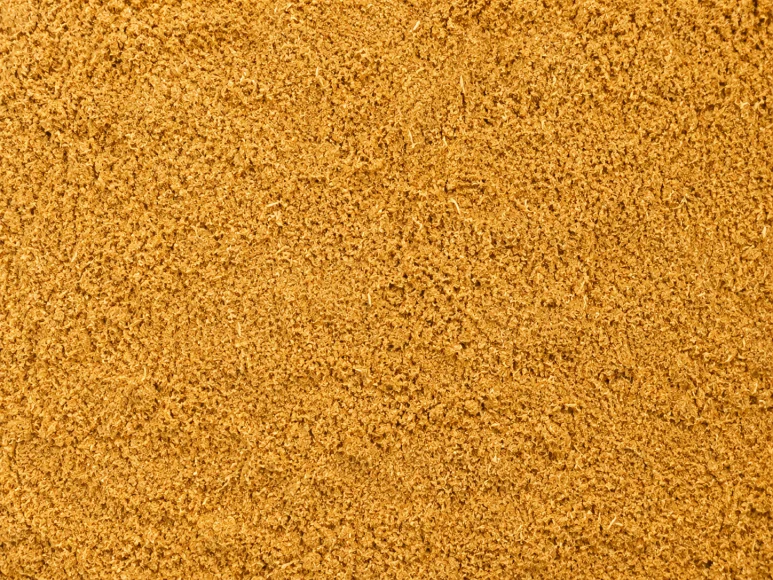
    • Texture : fine, even powder, with no clumps

    Storage tips

    • In an airtight container, away from light and moisture
    • Shelf life: about 6 to 12 months for powder, versus 2 to 3 years for whole seed
    • For the best aroma, consider buying whole seed and grinding small amounts as needed
  • Should cumin be toasted before use?

    It isn't necessary for pre-ground powder, but it's strongly recommended for whole seed. A brief dry-toast in a hot pan develops rounder, toasted notes and softens the natural bitterness of the raw spice.

    What's the difference between cumin and Himalayan black cumin (kala jeera)?

    These are two botanically distinct plants. Regular cumin (Cuminum cyminum) has a warm, earthy, slightly aniseed flavour. Kala jeera (Bunium persicum) is rarer and pricier, with smokier, sweeter notes; it's reserved for festive dishes like royal biryani.

    Why has my cumin powder lost its aroma?

    Grinding immediately releases the seed's volatile essential oils, which gradually evaporate once exposed to air. Cumin powder keeps its full aroma for about 6 to 12 months if stored well; beyond that, the aroma fades noticeably, even though the spice remains edible.

    Can cumin powder replace whole seeds?

    In most recipes, yes, adjusting the quantity: powder has more surface area, so its flavour releases faster. For tadka (tempering in hot oil), whole seeds remain preferable, as powder can burn quickly.

    Is cumin really rich in iron?

    Yes, cumin is one of the most iron-concentrated spices. The amounts actually used in cooking (a few grams per dish) remain modest against daily needs, though, and don't replace a balanced diet or medical advice in case of a diagnosed deficiency.

    Why does cumin appear in so many cuisines around the world?

    Because it is one of the most anciently traded spices in the world: known since ancient Egypt, it travelled along the Silk Road and caravan routes long before the age of maritime exploration, reaching medieval Europe, North Africa and eventually the Americas, where it became a pillar of Mexican cooking.

    Are ground cumin and cumin seeds used the same way?

    Not quite. Whole seeds, toasted then popped in a tadka, develop a brighter, more complex aroma. Already-ground cumin loses its essential oils faster once the pack is opened, which makes it a convenient choice for regular, quick use, though with a somewhat less intense aroma over time.

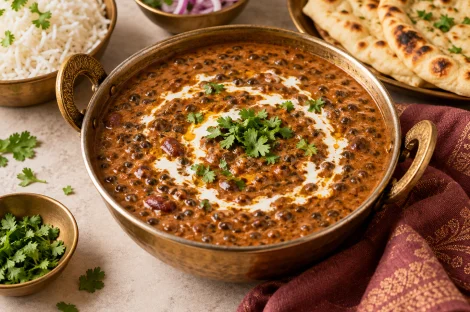
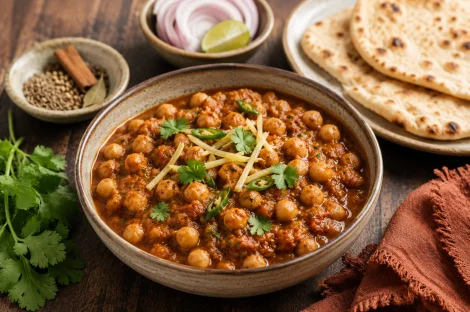
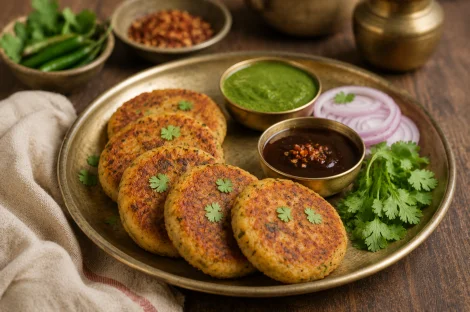
Recipes with Cumin Powder

Why choose Cumin Powder from La Table Indienne?

Icône de cible

Exceptional freshness and quality

Our spices are imported directly from India and packaged on demand to guarantee optimal freshness. Unlike spices sold in supermarkets that can sit on shelves for months, we ensure each spice retains its full flavor and aroma.

Icône de cible

Authenticity and traceability

Each spice comes from specific regions in India renowned for their expertise. We work directly with local producers who grow their spices traditionally, without pesticides or chemicals.

Icône de cible

How to best use this spice?

To reveal all the aromas, we recommend lightly toasting whole spices in a dry pan before grinding them. Store them in a dry place away from light to preserve their freshness as long as possible.

Icône d'étoile

Did you know?

Whole spices are much better than ground spices
Check out our blog article to discover why whole spices retain their aromas better.

Questions & Answers

Thank you! Your question has been sent. Mihika will answer soon and you will receive an email.

Ask Mihika your question

Your email will not be published. It is only used to notify you of the answer.

Cumin Powder

€2.00