United States: delivery from €25.30.
Loading...

Himalayan Black Cumin (Kala Jeera)

1 reviews
Origin :
Uttarakhand, India
Quality :
Premium
Type :
Whole seeds
Pesticide-free

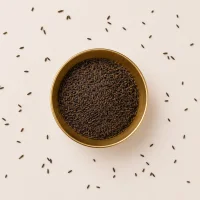
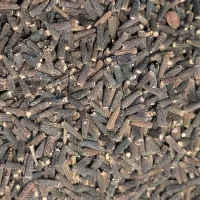
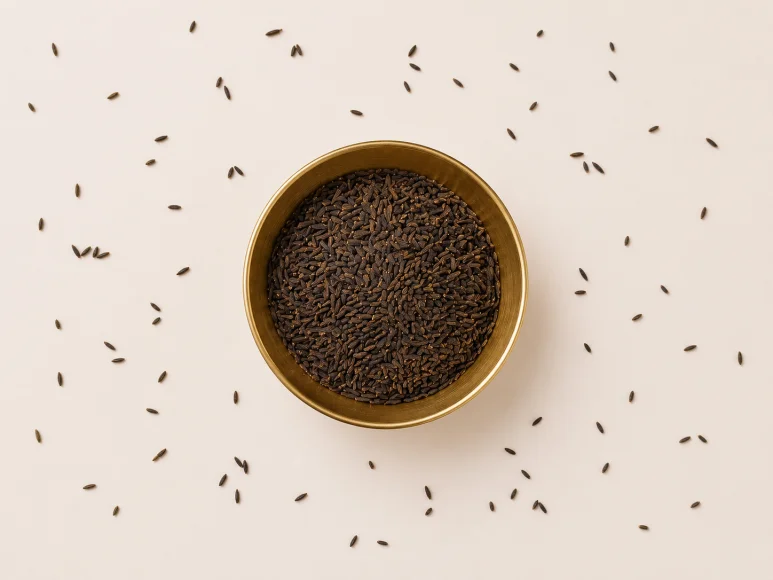
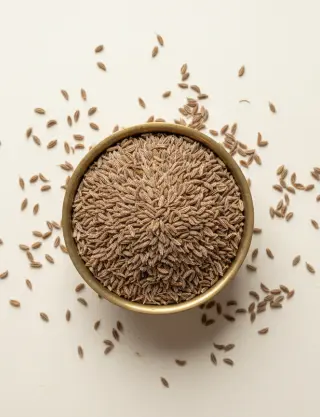
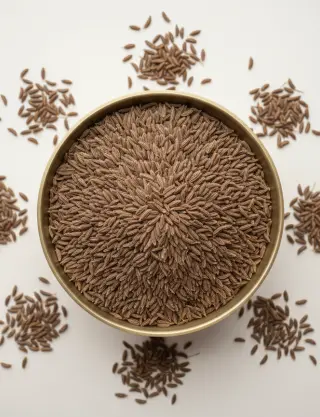
Discover our Himalayan black cumin (kala jeera), small slender striped seeds harvested in the valleys of Uttarakhand, India. Smoky, woody and subtly sweet aroma to enhance your biryanis, pilaf rice and Mughlai dishes.

€3.50
€175.00/kg
By purchasing this product, you add €0.12 to your loyalty account, redeemable as a discount on your next order!
Loading...
Out of stock

Be notified when the product is available

Enter your email address below to be notified as soon as the product is back in stock.

This form is protected by a Captcha. We take care of your data (learn more)

  • Himalayan black cumin: the royal spice of the Mughals

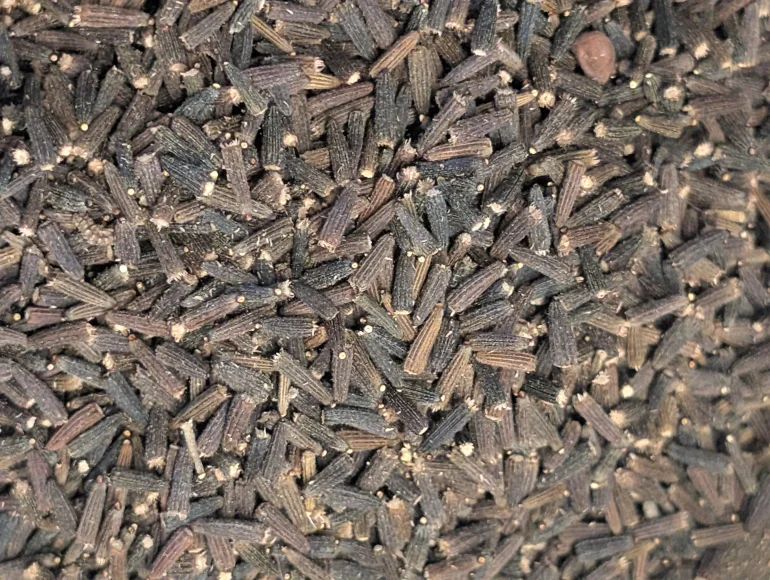
    Kala jeera (Bunium persicum), also known as shahi jeera or "royal cumin", is a small slender dark-brown seed harvested in the Himalayan valleys of Uttarakhand. Not to be confused with nigella (Nigella sativa) or ordinary cumin (Cuminum cyminum): it is a distinct botanical species, far rarer and more prized, long reserved for Mughal court cuisine. We source it from Gauraaj, a Dehradun-based organisation founded by women from Uttarakhand to bring value to small mountain farms.

    Why choose whole seeds?

    Whole kala jeera seeds keep their essential oils far longer than a powder, preserving their distinctive smoky, woody scent. A light dry-roasting before use is enough to wake up their full aroma, more subtle and complex than ordinary cumin, with a sweet, lemony edge.

    Culinary uses:

    • Essential in biryani, where it perfumes basmati rice with woody notes
    • Enhances pilaf and pulao rice by simple infusion in hot ghee
    • Seasons Mughlai meat dishes (kormas, kebabs, slow-cooked game)
    • Adds a smoky depth to simmered dals and lentils
    • Enriches a premium garam masala alongside cardamom and cinnamon
    • Best lightly dry-roasted before use to unlock its full aroma

    Origin and quality:

    Our kala jeera comes from the valleys of Uttarakhand, in the Indian Himalayas, via Gauraaj, a Dehradun-based organisation founded by women to bring value to small mountain farms. Our growers grow without pesticides, so we can guarantee you a natural, authentic seed.

    To stop confusing kala jeera with nigella or ordinary cumin, read our guide to Himalayan black cumin.

    Storage:

    To preserve all its aromas, store your Himalayan black cumin in a dry place, away from light and humidity, in its airtight packaging.

  • Improves digestion

    Rich in antioxidants

    Anti-inflammatory properties

    Boosts immunity

    Supports healthy blood circulation

    Helps regulate blood sugar

    Traditional antimicrobial properties

    Supports respiratory health

  • Directly selected smallholder producers No
    Pesticides free Yes
    Origin Uttarakhand, India
    Quality Premium
    Type Whole seeds
    Taste profile Smoky, woody and subtly sweet aroma, more complex than ordinary cumin. Releases its full fragrance after light dry-roasting.
    Possible traces of allergens No major allergen identified; may contain traces of other seed spices packaged in the same facility.
  • L'arôme fumé et boisé de ce cumin noir parfume et sublime beaucoup de plats !
    Florence Turmeric Verified purchase Published on Aug 26, 2026 · Purchased on Jul 20, 2026
    Add your review
    View more

Learn more

  • Unlike regular cumin, cultivated and documented since ancient Egypt, kala jeera is a more discreet spice, with a more recent written history. British botanists catalogued it in the 19th century during the Flora of British India surveys (1830s-1850s), which described its wild growth in Himalayan regions and its local culinary use.

    The plant grows wild in the arid zones and Himalayan foothills, from Kashmir to Afghanistan and Iran, through Central Asia. In India, Kashmir remains the only region where kala jeera is actually produced, making it a rare and sought-after spice, long reserved for royal kitchens and grand occasions.

    A name that invites confusion

    Kala jeera is sometimes called "royal cumin" or confused with caraway (Carum carvi), another umbellifer sometimes referred to as "shahi jeera" depending on the region. This profusion of vernacular names reflects how hard it is to tell apart, without seeing them side by side, several dark, elongated seeds that share neither botany nor flavour.

    Did you know?

    Kala jeera is neither regular cumin (Cuminum cyminum) nor nigella (Nigella sativa), with which it's sometimes confused because of the shared "black cumin" nickname. On the Table Indienne catalogue, find the full distinction in the nigella seeds (kalonji) guide.

    A royal-kitchen spice

    Historically associated with Mughal cuisine and the princely tables of northern India, kala jeera owes its reputation as much to its rarity as to its aroma: unlike everyday cumin, it is almost never used in large quantity, but sprinkled sparingly over the most prestigious dishes.

    A wild seed, never cultivated at scale

    Unlike regular cumin, widely cultivated across India and elsewhere, kala jeera remains largely a wild plant, gathered in the dry temperate zones of the Western Himalaya, mainly in Jammu and Kashmir, Himachal Pradesh and Uttarakhand. This relative scarcity, combined with a harder high-altitude harvest, partly explains why it has always been regarded as the "noble" spice of the cumin family, reserved for ceremonial dishes and the finest tables.

    A "black gold" you can also eat as a root

    In Kashmir, Himachal Pradesh and parts of Uttarakhand, kala jeera is sometimes nicknamed "black gold", its scarcity and high price setting it well apart from ordinary cumin. Even more surprising: in Kashmiri cooking, it is not only the seed that gets used, the plant's root is also eaten as a vegetable in certain traditional preparations, an unusual use for a spice plant that points to an almost whole-plant use, from root to seed.

    In North Indian cooking, kala jeera is generally preferred over ordinary cumin for certain prestigious rice and meat dishes such as korma and biryani, where its richer, almost nutty and slightly grassy scent stands clearly apart from the earthy, warm note of regular cumin.


  • FeatureDetail
    Latin nameBunium persicum (Boiss.) B.Fedtsch.
    Botanical familyApiaceae, the same family as regular cumin, parsley and carrot
    Local nameKala jeera or Shahi jeera (Hindi, "royal cumin")
    Part usedSeed (dried fruit)
    Main growing regionKashmir, the only Indian region where the spice is actually produced, along with the Himalayan areas of Uttarakhand and Himachal Pradesh

    Bunium persicum is a perennial plant with a tuberous root, suited to the dry, poor soils of the Himalayan foothills and the arid zones of Central Asia. It grows far more wild than it is intensively cultivated, which partly explains why kala jeera is rarer and pricier than regular cumin.

    A seed harvested at altitude

    • The plant flowers in late spring in semi-arid mountain areas
    • The small, curved seeds are harvested once ripe, then sun-dried
    • No further processing is needed: the whole seed is ready to use
    • Its thymol content, higher than in regular cumin, contributes to its more complex aroma

    Did you know?

    Kala jeera grows mainly in the wild, in hard-to-reach high-altitude areas, which limits cultivated acreage and explains why it stays notably rarer and pricier than regular cumin, widely grown in the plains of Gujarat.

  • Kala jeera develops a more complex aroma than regular cumin: smoky, slightly sweet notes mingle with an earthy base and a subtle hint of liquorice. Its higher thymol content also gives it a floral depth that ordinary cumin lacks.

    A flavour that doesn't push itself forward

    Unlike regular cumin, often toasted and used generously in everyday tadka, kala jeera pairs better with gentler cooking: steeped in clarified butter (ghee) or sprinkled right at the end of cooking, it releases its aroma without overwhelming the dish's other spices.

    Its rarity and higher cost make it an accent spice rather than a base one: a few seeds are usually enough to perfume an entire dish.

    On cooking or dry roasting, kala jeera shifts register: its flavour turns noticeably nuttier, almost toasted, whereas raw it stays more subtle and slightly sweeter than regular cumin.

  • In northern Indian cooking

    • A signature ingredient in royal biryani, replacing regular cumin for a more refined aroma
    • Used in Nadru Yakhni, a Kashmiri curry made with lotus root
    • Featured in Kashmiri pilaf rice and certain festive Mughal dishes
    • Sprinkled over korma and braised meat dishes at the end of cooking

    How to use it

    • Steep a few seeds in hot ghee to draw out their full aroma before adding the rest of the ingredients
    • Add it right at the end of cooking to preserve its more delicate notes
    • Use it whole rather than ground, since the seed is already fine and releases easily when chewed

    Did you know?

    In traditional Kashmiri cooking, kala jeera is sometimes paired with green cardamom and clove to perfume rice for grand occasions, an aromatic trio that instantly sets a "festive" dish apart from an everyday one.

    The prestige spice of festive dishes

    Kashmiri pulao and certain biryanis traditionally call for kala jeera rather than ordinary cumin, especially to accompany lamb in a korma. Its finer, slightly sweeter flavour also makes it a favoured ingredient, ground very fine, in shrikhand, rabri or certain paneer fillings, where a subtle, spiced warmth is wanted without overpowering the dish.

  • Like many seeds in the Apiaceae family, kala jeera is traditionally associated with digestive benefits in Ayurvedic medicine, though this use remains less scientifically documented than that of regular cumin, owing to its relative scarcity.

    What we know

    • Thymol : present at a higher proportion than in regular cumin, this compound contributes to its floral aroma and to traditionally recognised antiseptic properties
    • Essential oils : rich in volatile aromatic compounds, behind its characteristic smoky aroma
    • Traditional use : recognised in Ayurvedic medicine to support digestion, much like regular cumin
    • Research : scientific studies specific to kala jeera remain limited compared with those on regular cumin, due to its more confidential production

    Precautions

    Consumed in normal culinary amounts, kala jeera is well tolerated. As with any spice from the Apiaceae family, pregnant or breastfeeding people are advised to seek medical advice before regular, large consumption.

  • Quality markers

    • Colour : very dark brown to black, uniform across the seeds
    • Smell : smoky, slightly sweet aroma right from opening, more complex than regular cumin
    • Texture : fine, curved seeds, dry and not sticky

    Storage tips

    • In an airtight container, away from light and moisture
    • Shelf life: about 2 to 3 years, whole seeds keeping their aroma well
    • Since it's sold in small quantities due to its rarity, keep it in a container sized to match, to limit air exposure each time it's opened
  • Is kala jeera the same as regular cumin?

    No. Kala jeera (Bunium persicum) is a Himalayan plant distinct from regular cumin (Cuminum cyminum), even though both belong to the Apiaceae family. Its aroma is smokier, sweeter and more complex, with a hint of liquorice absent from ordinary cumin.

    Why is kala jeera more expensive than regular cumin?

    It grows mainly in the wild, in hard-to-reach high-altitude Himalayan areas, unlike regular cumin, widely cultivated in the plains of Gujarat. Its production therefore stays limited, which explains its rarity and higher price.

    Is kala jeera the same as nigella (kalonji)?

    No, despite the shared "black cumin" nickname sometimes given to both seeds. Kala jeera (Bunium persicum) is an Apiaceae, like regular cumin. Nigella (Nigella sativa) belongs to an entirely different family, the Ranunculaceae, with a more bitter, peppery flavour.

    How should kala jeera be used in cooking?

    It pairs better with gentle cooking than with a vigorous tadka: steep a few seeds in hot ghee, or sprinkle it right at the end of preparation over a biryani or pilaf to preserve its more delicate notes.

    Can kala jeera replace regular cumin in a recipe?

    Technically yes, but their flavour profiles differ noticeably: kala jeera, smokier and more refined, suits festive dishes where its rarity is showcased, while regular cumin remains the everyday spice for tadka and common curries.

    Why is kala jeera more expensive than regular cumin?

    Because it remains largely a wild plant, gathered at altitude in the dry temperate zones of the Himalaya (Jammu and Kashmir, Himachal Pradesh, Uttarakhand) rather than cultivated at scale like ordinary cumin. That relative scarcity, plus a more demanding harvest, explains its status as a prestige spice.

    Does kala jeera taste the same raw and cooked?

    No. Raw, it stays subtle and slightly sweet. Once cooked or dry-roasted, its profile becomes noticeably nuttier and toasted, which is why it is usually tempered in hot oil rather than added raw at the end of cooking.

Pourquoi choisir Himalayan Black Cumin (Kala Jeera) de La Table Indienne ?

Icône de cible

Fraîcheur et qualité exceptionnelles

Nos épices sont importées directement d'Inde et conditionnées à la demande pour garantir une fraîcheur optimale. Contrairement aux épices vendues en grande surface qui peuvent rester des mois sur les étagères, nous veillons à ce que chaque épice conserve toute sa saveur et son arôme.

Icône de cible

Authenticité et traçabilité

Chaque épice provient de régions spécifiques en Inde réputées pour leur savoir-faire. Nous travaillons directement avec des producteurs locaux qui cultivent leurs épices de manière traditionnelle, sans pesticides ni produits chimiques.

Icône de cible

Comment bien utiliser cette épice ?

Pour révéler tous les arômes, nous recommandons de faire légèrement griller les épices entières à sec dans une poêle avant de les moudre. Conservez-les dans un endroit sec et à l'abri de la lumière pour préserver leur fraîcheur le plus longtemps possible.

Icône d'étoile

Le saviez-vous ?

Les épices entières sont bien meilleures que les épices moulues
Consultez notre article de blog pour découvrir pourquoi les épices entières conservent mieux leurs arômes.

Questions & Answers

Thank you! Your question has been sent. Mihika will answer soon and you will receive an email.

Ask Mihika your question

Your email will not be published. It is only used to notify you of the answer.

Himalayan Black Cumin (Kala Jeera)