Golden Milk Spice Mix
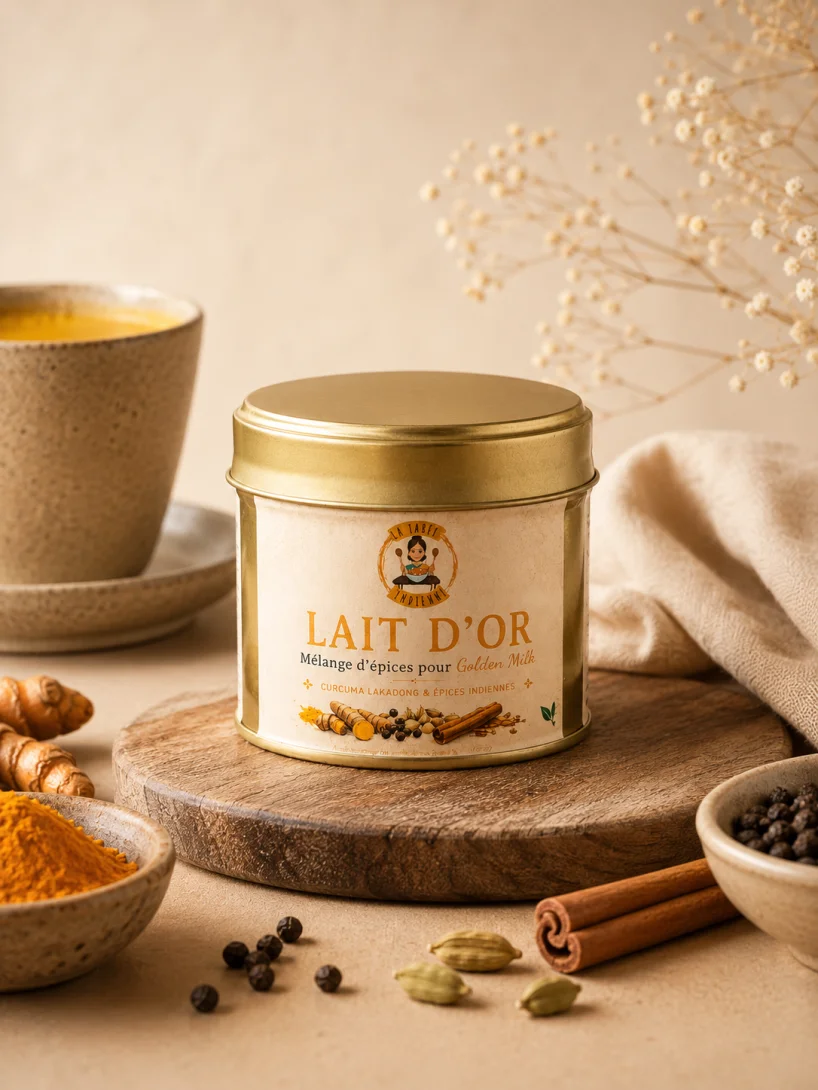
Discover our Golden Milk Spice Mix, a blend of Lakadong turmeric and Indian spices sourced from smallholder farms. Warm, earthy and lightly spiced to prepare an authentic golden milk at home.
Ready for shipping, delivery time 2-5 business days
Delivery from €4.80 at Mondial Relay pickup points. Free shipping from €50.
Free spice samples with every order.
-
Golden Milk: the traditional Indian spice blend
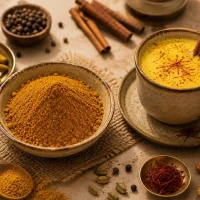
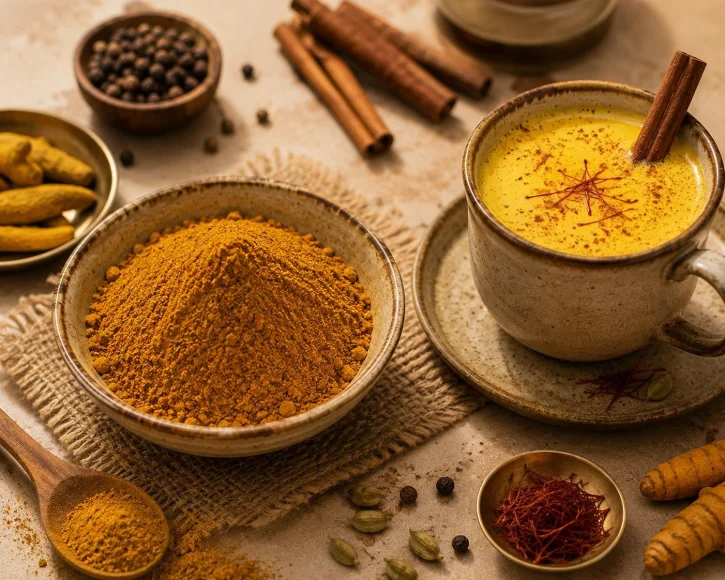
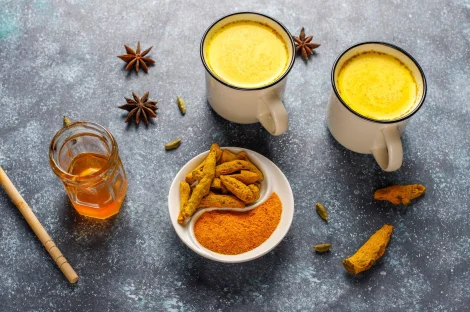
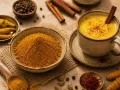
Our Golden Milk Spice Mix combines Lakadong turmeric, ginger powder, fennel powder, Ceylon cinnamon powder, green cardamom powder and black pepper powder. This recipe, inspired by the Indian Ayurvedic tradition of "haldi doodh", is made with spices sourced from smallholder farms in India, imported directly. Simply stir it into warm milk, with a touch of honey if you like, for a warming and comforting drink.
Why choose this ready-made blend?
Combining turmeric, ginger, fennel, cinnamon, cardamom and black pepper in the right proportions takes time and precision, especially to balance turmeric's natural bitterness. Our Golden Milk Spice Mix gives you an already-mastered, ready-to-use blend, with black pepper included because it is traditionally used to support the absorption of turmeric's curcumin.
Culinary uses:
- Traditional golden milk stirred into warm milk (dairy, oat or almond)
- With a spoonful of honey or maple syrup
- As a base for a turmeric latte
- In a warm porridge or cereal bowl
- Steeped to flavour a tea-free chai
- In spiced pastries and desserts (cookies, cakes)
Origin and quality:
We source the spices for this blend from smallholder farms in India, imported directly through a short supply chain, to guarantee an authentic, premium-quality product. This blend isn't imported ready-made or mass-produced: Mihika hand-mixes it herself, in our Alsace workshop, in small batches made to order, for maximum freshness with every order.
For the precise golden milk recipe and all its benefits, see our Golden Milk recipe.
Storage:
To preserve all its aromas, store your Golden Milk Spice Mix in a dry place, away from light and moisture, in its airtight packaging.
-
This ready-to-use spice blend contains the following ingredients, in the proportions listed.
-
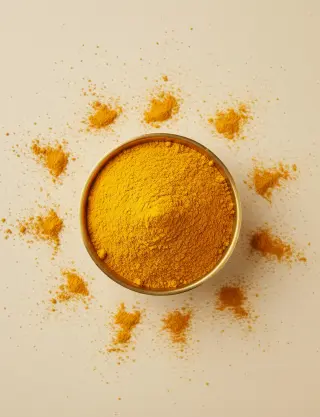
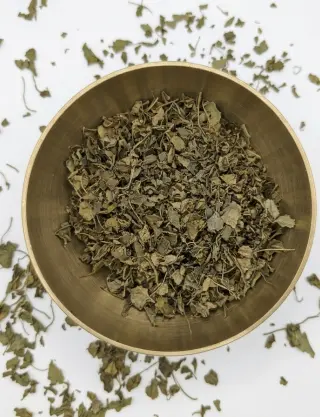
Turmeric or Curcuma longa is a flowering plant in the ginger family Zingiberaceae. It is a perennial, rhizomatous, herbaceous plant native to the Indian subcontinent and Southeast Asia that requires temperatures between 20 and 30 °C (68 and 86 °F) and high annual rainfall to thrive. Plants are gathered each year for their rhizomes, some for propagation in the following season and some for consumption or dyeing.Turmeric
-
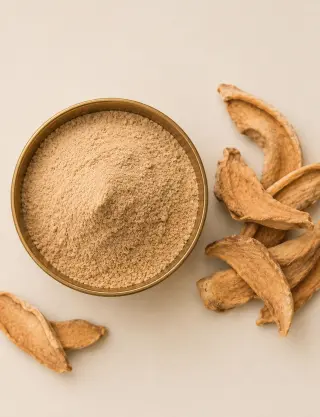
Ginger is native to the rainforests of Maritime Southeast Asia and is one of the first spices to have been exported from Asia. It was introduced to India very early in its history and has been cultivated there for thousands of years, becoming an integral part of both its cuisine and traditional medicine, Ayurveda. Ginger is a foundational ingredient in Indian cooking. It is a key component of the aromatic paste known as ginger-garlic paste, which forms the flavor base for countless curries, dals, and marinades. It provides a pungent, spicy, and warm flavor. Fresh ginger is also grated or julienned and added to stir-fries, and is famously used to make a soothing and spicy chai (tea).Ginger
-
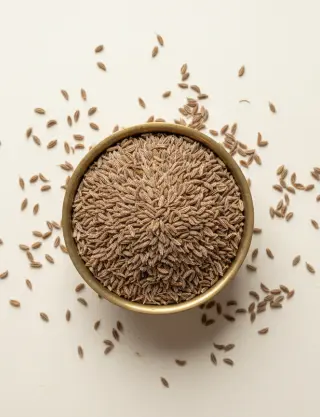
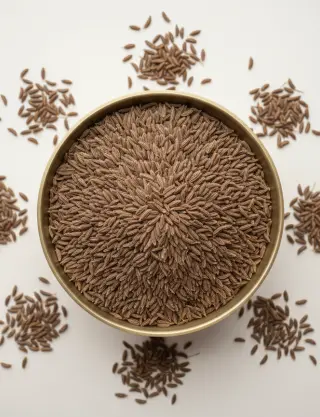
Native to the Mediterranean, fennel has been a part of Indian culture for centuries. Fennel seeds have a sweet, licorice-like flavor. They are a common ingredient in many Indian spice blends. They are also often chewed after a meal as a natural breath freshener and digestive aid.Fennel
-
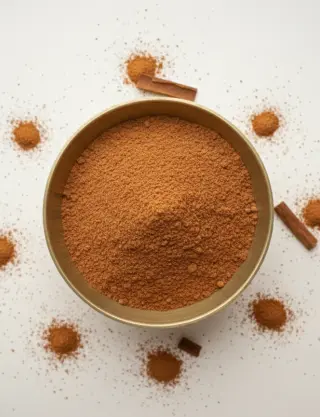
Cinnamon is a spice obtained from the inner bark of several tree species from the genus Cinnamomum. Cinnamon is used mainly as an aromatic condiment and flavouring additive in a wide variety of cuisines, sweet and savoury dishes, biscuits, breakfast cereals, snack foods, bagels, teas, hot chocolate and traditional foods. The aroma and flavour of cinnamon derive from its essential oil and principal component, cinnamaldehyde, as well as numerous other constituents, including eugenol.Cinnamon
-
The lush, green mountains of Southern India are the native home of green cardamom. It is known as the "Queen of Spices." Cardamom has a sweet, floral, and highly aromatic flavor. Green pods are used whole in savory rice dishes like biryani and curries. The seeds are ground and used in desserts like kheer, and to flavor chai tea.Cardamom
-
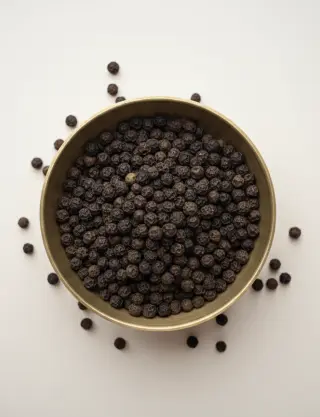
Black pepper is native to the Malabar Coast of Southern India and was a major driver of ancient global trade. Known as the "King of Spices," black pepper adds a sharp, pungent heat to food. It is used both whole and ground in a vast range of Indian dishes, from simple curries to complex marinades.Black pepper
-
Ginger powder
-
Green cardamom
-
Black pepper powder
-
-
Lakadong turmeric is traditionally used to support joint comfort
Ginger is traditionally used to support digestion
Fennel is traditionally used to soothe digestive discomfort
Ceylon cinnamon traditionally contributes to blood sugar balance
Green cardamom is traditionally used to support digestion
Black pepper traditionally supports the absorption of turmeric's curcumin
This warming blend is traditionally associated with evening relaxation
Turmeric is rich in natural antioxidants
-
Origin India Quality Premium Type Golden milk spice blend Taste profile Warm and earthy from the turmeric, lifted by a touch of black pepper, with an anise-like note from fennel and the sweet spice of cinnamon and cardamom. Composition Lakadong turmeric, ginger powder, fennel powder, Ceylon cinnamon powder, green cardamom powder, black pepper powder Made in Alsace Yes
app.ui.spices_in_this_blend
app.ui.spices_from_blend_available_separately
Learn more
In India, turmeric milk has a name: haldi doodh (literally 'turmeric milk'). Ancient Ayurvedic texts mention turmeric steeped in warm milk as a home remedy for colds, coughs and minor aches, a practice passed down through generations rather than documented in a single, precisely dated text. Ayurveda traditionally classes turmeric among the 'warming' spices, used to balance some of the three doshas (Vata, Pitta, Kapha) that structure this traditional Indian system of medicine.
In everyday family practice, haldi doodh is usually made in the evening, often paired with black pepper to help the body absorb it, and sometimes with long pepper (pipli), an older pepper variety now rarer outside India. Drinking it before bed, or at the first signs of a cold, remains a reflex passed down in many Indian households, not unlike chicken soup in other cultures.
Turmeric, far beyond the kitchen
Turmeric's role in Indian culture goes well beyond cooking and home remedies. During the Haldi ceremony, which traditionally precedes weddings in many regions of India, the bride and groom's relatives apply a paste of turmeric, sandalwood and rosewater to their faces and bodies. The practice is meant to purify the couple, protect them from the evil eye and bring good fortune: turmeric's golden yellow symbolises prosperity and new beginnings across much of Indian tradition, long before that colour became, in another form, a Western marketing hook.
From Indian home cooking to Western coffee shops
The term 'golden milk' and its Western success are much more recent: the drink took off in cafés, wellness blogs and social media from the mid-2010s onward, carried by the growing popularity of yoga and Ayurveda outside India. Lifestyle magazines and public figures associated with wellness played a large part in popularising the formula, often simplifying it compared with the traditional Indian recipe into something closer to a latte, sometimes without even mentioning its Ayurvedic origin.
Did you know?
The black pepper in this blend is not just for flavour: a landmark study published in 1998 showed that piperine from black pepper can increase curcumin's bioavailability in humans twentyfold, a pairing Ayurvedic medicine practised empirically long before science explained why it works.
Rather than a single spice, Golden Milk is a blend where each component plays a specific role, with Lakadong turmeric as the aromatic and colouring base.
| Spice | Role in the blend |
|---|---|
| Lakadong turmeric | Golden colour, earthy note, base of the blend |
| Ginger | Warming, comforting spiciness |
| Fennel | Anise-like sweetness that softens the blend |
| Cinnamon | Warm, slightly sweet note |
| Cardamom | Floral, fresh scent typical of Indian spiced milks |
| Black pepper | Boosts curcumin absorption, mild kick |
Lakadong turmeric, a variety apart
The turmeric that gives Golden Milk its colour and its name is not generic turmeric: it comes from the Jaintia Hills region of Meghalaya state, in north-east India. Traditionally grown without chemical fertiliser on the hills of this region, Lakadong turmeric has a curcumin content of 6.8 to 7.5%, against 3% or less for most other Indian varieties, making it one of the most concentrated in the world. This exceptional quality earned it official Geographical Indication recognition from Indian authorities in March 2024, protecting the 'Lakadong' name for turmeric grown in this specific region.
A pan-Indian tradition
Unlike regional dishes such as tandoori (north) or certain southern curries, haldi doodh is made in nearly every Indian household regardless of region, making it one of the most universally shared kitchen remedies on the subcontinent, long before turmeric became a global trend under another name. Proportions and sweeteners still vary by region, though: jaggery (unrefined cane sugar) in some Kerala or Maharashtra households, honey elsewhere, sometimes even a pinch of saffron in more festive preparations.
Turmeric across the rest of Asia
India doesn't have a monopoly on turmeric as a daily remedy. In Indonesia, jamu, a family of traditional herbal drinks sold for centuries by travelling vendors, very often includes turmeric, sometimes paired with tamarind (jamu kunyit asam). The underlying idea is close to Indian haldi doodh: a coloured spice, considered beneficial, steeped in a liquid and drunk preventively or as a home remedy, long before either tradition became a Western trend under a marketing name.
Golden Milk has a warm, comforting profile: turmeric's earthy, slightly bitter note is softened by fennel's anise-like sweetness and the sweet warmth of cinnamon and cardamom. Ginger adds a subtle kick that warms without ever being harsh, while black pepper closes the blend on a lightly peppery note that lingers on the palate.
Once steeped in warm milk, the blend loses some of its bitterness and gains roundness, as the milk's fat helps carry the aromas (curcumin is fat-soluble, which is why whole milk or a rich plant-based milk gives a more fragrant result than a skimmed one). A touch of honey or sugar stirred in at the end softens the mix further and balances turmeric's residual bitterness.
Compared with a chai masala, which is bolder and more tannic thanks to its black tea, Golden Milk stays soft and smooth, with no caffeine at all: it's a drink designed to soothe rather than stimulate, which explains its traditional place at the end of the day rather than at breakfast.
The traditional recipe
- Heat 200 to 250 ml of milk (dairy or plant-based) with a heaped teaspoon of the blend
- Let it simmer gently for 3 to 5 minutes, stirring, without letting it boil hard, so the flavours fully infuse
- Strain if needed, sweeten with honey or cane sugar, and drink warm
Variations
- Iced version for summer: prepare the blend as usual, let it cool, then serve over ice with a plant-based milk
- In porridge or overnight oats, a teaspoon stirred into oats and milk before resting in the fridge
- As a concentrated paste: simmer the blend with a little water and honey until thick, keep refrigerated and dilute in warm milk when serving
Other uses
- Stirred into a smoothie for a spiced touch and a naturally golden colour
- Mixed into yoghurt for a simple, fragrant dessert
- A pinch in pancake or cake batter for a warm note and a golden hue
- In homemade ice cream or sorbet, where the spices' sweetness pairs well with condensed milk or cream
Did you know?
The traditional Indian haldi doodh recipe often includes long pepper (pipli), an older, rarer pepper variety in the West today. Our blend uses the more common black pepper, which plays the same role in boosting curcumin absorption.
Turmeric is the most studied spice in this blend, mainly for its curcumin, a compound with antioxidant properties widely documented in laboratory research, though its absorption by the human body is naturally low without certain cofactors.
What the research explores
- Curcumin : turmeric's active compound, studied in the lab for its antioxidant and anti-inflammatory properties, though poorly bioavailable alone because it is rapidly metabolised by the liver
- Piperine (black pepper) : a landmark 1998 study (Shoba et al., Planta Medica) showed it can increase the body's absorption of curcumin twentyfold, which is why it has long featured in haldi doodh, well before biochemistry explained the mechanism. That striking result hasn't held up consistently since, though: several independent attempts to replicate it found no such effect, so it's best read as an early, unconfirmed finding rather than an established fact
- Ginger : long used to aid digestion and soothe a sore throat or mild nausea
- Cinnamon and cardamom : traditionally paired in Ayurvedic medicine for a warming effect and to support digestion after meals
- Traditional use : haldi doodh has been drunk for generations in India as a home remedy for colds, a tradition that predates modern research on curcumin by a long way
A heavily studied compound, still cautious conclusions
Curcumin is one of the most studied natural compounds in nutrition, with several thousand scientific publications on the subject. That volume of research doesn't mean its benefits in healthy humans, at food-level doses, are firmly established, though: much of the evidence comes from concentrated extracts, animal models or sick populations, which makes it hard to draw firm conclusions applicable to an occasional cup of spiced milk.
Precautions
Consumed in normal culinary amounts, this blend is well tolerated by most people. Studies on curcumin usually look at concentrated, therapeutic-dose extracts, far removed from the amount in a daily cup of milk. People on blood-thinning medication, with gallstones, or who are pregnant should ask a healthcare professional before regular consumption, as turmeric can interact with some treatments and stimulate bile production.
Quality markers
- Colour : bright, even orange-yellow; a dull or greyish tone signals an old or poorly stored blend
- Smell : a clear warm, lightly peppery, anise-like aroma as soon as you open the pack
Storage tips
- Keep in an airtight container, away from light and moisture, as light is especially damaging to curcumin
- Shelf life: about 12 to 18 months under good conditions
- Turmeric stains work surfaces, light-coloured fabrics and plastic easily: avoid light plastic spoons and bowls when preparing it, stainless steel or glass are safer
- If you make a concentrated paste ahead of time, keep it refrigerated and use within one to two weeks
What's the difference between golden milk and traditional turmeric milk (haldi doodh)?
They're two names for the same basic idea: warm milk infused with turmeric. 'Golden milk' is the Western name given to this drink since its success in cafés and wellness magazines from the mid-2010s, often a simplified take on the traditional Indian recipe, which sometimes also includes long pepper.
Can I make Golden Milk with plant-based milk?
Yes, easily. Almond, oat or coconut milk all work well and are in fact commonly used both in India and in the West. Coconut milk gives a richer texture and fat content that helps carry turmeric's fat-soluble aromas.
Can I drink this blend every day?
In normal culinary amounts, one cup a day is generally well tolerated. People on blood-thinning medication, with gallstones or who are pregnant should ask a healthcare professional before regular use, as turmeric can interact with some treatments.
Why add black pepper to a turmeric drink?
A landmark 1998 study showed that piperine in black pepper can increase the body's absorption of curcumin twentyfold. Ayurvedic medicine has traditionally paired the two spices, a practice modern research has since confirmed.
What's the best time to drink Golden Milk?
Traditionally in the evening before bed, as a soothing drink, or at the first signs of a cold. There's nothing stopping you from enjoying it at any time of day, though.
Why use Lakadong turmeric specifically?
Lakadong turmeric, grown in the Jaintia Hills of Meghalaya, has a curcumin content of 6.8 to 7.5%, against 3% or less for most other Indian varieties. It's one of the most concentrated turmeric varieties in the world, recognised with an official Geographical Indication in March 2024.
Does Golden Milk stain clothes or utensils?
Yes, turmeric is a powerful natural dye that easily stains light-coloured plastic and white fabrics. Use stainless steel or glass utensils when preparing it, and wipe up any spills on light work surfaces quickly.
Is Golden Milk connected to the Haldi ceremony at Indian weddings?
The connection is turmeric itself, not the recipe. The Haldi ceremony uses a turmeric paste applied to the couple's skin for ritual and beauty purposes, while haldi doodh (which Golden Milk is based on) is a drink consumed orally. Both uses reflect turmeric's importance in Indian culture, well beyond cooking alone.

-
In India, turmeric milk has a name: haldi doodh (literally 'turmeric milk'). Ancient Ayurvedic texts mention turmeric steeped in warm milk as a home remedy for colds, coughs and minor aches, a practice passed down through generations rather than documented in a single, precisely dated text. Ayurveda traditionally classes turmeric among the 'warming' spices, used to balance some of the three doshas (Vata, Pitta, Kapha) that structure this traditional Indian system of medicine.
In everyday family practice, haldi doodh is usually made in the evening, often paired with black pepper to help the body absorb it, and sometimes with long pepper (pipli), an older pepper variety now rarer outside India. Drinking it before bed, or at the first signs of a cold, remains a reflex passed down in many Indian households, not unlike chicken soup in other cultures.
Turmeric, far beyond the kitchen
Turmeric's role in Indian culture goes well beyond cooking and home remedies. During the Haldi ceremony, which traditionally precedes weddings in many regions of India, the bride and groom's relatives apply a paste of turmeric, sandalwood and rosewater to their faces and bodies. The practice is meant to purify the couple, protect them from the evil eye and bring good fortune: turmeric's golden yellow symbolises prosperity and new beginnings across much of Indian tradition, long before that colour became, in another form, a Western marketing hook.
From Indian home cooking to Western coffee shops
The term 'golden milk' and its Western success are much more recent: the drink took off in cafés, wellness blogs and social media from the mid-2010s onward, carried by the growing popularity of yoga and Ayurveda outside India. Lifestyle magazines and public figures associated with wellness played a large part in popularising the formula, often simplifying it compared with the traditional Indian recipe into something closer to a latte, sometimes without even mentioning its Ayurvedic origin.
Did you know?
The black pepper in this blend is not just for flavour: a landmark study published in 1998 showed that piperine from black pepper can increase curcumin's bioavailability in humans twentyfold, a pairing Ayurvedic medicine practised empirically long before science explained why it works.
-
Rather than a single spice, Golden Milk is a blend where each component plays a specific role, with Lakadong turmeric as the aromatic and colouring base.
Spice Role in the blend Lakadong turmeric Golden colour, earthy note, base of the blend Ginger Warming, comforting spiciness Fennel Anise-like sweetness that softens the blend Cinnamon Warm, slightly sweet note Cardamom Floral, fresh scent typical of Indian spiced milks Black pepper Boosts curcumin absorption, mild kick Lakadong turmeric, a variety apart
The turmeric that gives Golden Milk its colour and its name is not generic turmeric: it comes from the Jaintia Hills region of Meghalaya state, in north-east India. Traditionally grown without chemical fertiliser on the hills of this region, Lakadong turmeric has a curcumin content of 6.8 to 7.5%, against 3% or less for most other Indian varieties, making it one of the most concentrated in the world. This exceptional quality earned it official Geographical Indication recognition from Indian authorities in March 2024, protecting the 'Lakadong' name for turmeric grown in this specific region.
A pan-Indian tradition
Unlike regional dishes such as tandoori (north) or certain southern curries, haldi doodh is made in nearly every Indian household regardless of region, making it one of the most universally shared kitchen remedies on the subcontinent, long before turmeric became a global trend under another name. Proportions and sweeteners still vary by region, though: jaggery (unrefined cane sugar) in some Kerala or Maharashtra households, honey elsewhere, sometimes even a pinch of saffron in more festive preparations.
Turmeric across the rest of Asia
India doesn't have a monopoly on turmeric as a daily remedy. In Indonesia, jamu, a family of traditional herbal drinks sold for centuries by travelling vendors, very often includes turmeric, sometimes paired with tamarind (jamu kunyit asam). The underlying idea is close to Indian haldi doodh: a coloured spice, considered beneficial, steeped in a liquid and drunk preventively or as a home remedy, long before either tradition became a Western trend under a marketing name.
-
Golden Milk has a warm, comforting profile: turmeric's earthy, slightly bitter note is softened by fennel's anise-like sweetness and the sweet warmth of cinnamon and cardamom. Ginger adds a subtle kick that warms without ever being harsh, while black pepper closes the blend on a lightly peppery note that lingers on the palate.
Once steeped in warm milk, the blend loses some of its bitterness and gains roundness, as the milk's fat helps carry the aromas (curcumin is fat-soluble, which is why whole milk or a rich plant-based milk gives a more fragrant result than a skimmed one). A touch of honey or sugar stirred in at the end softens the mix further and balances turmeric's residual bitterness.
Compared with a chai masala, which is bolder and more tannic thanks to its black tea, Golden Milk stays soft and smooth, with no caffeine at all: it's a drink designed to soothe rather than stimulate, which explains its traditional place at the end of the day rather than at breakfast.
-
The traditional recipe
- Heat 200 to 250 ml of milk (dairy or plant-based) with a heaped teaspoon of the blend
- Let it simmer gently for 3 to 5 minutes, stirring, without letting it boil hard, so the flavours fully infuse
- Strain if needed, sweeten with honey or cane sugar, and drink warm
Variations
- Iced version for summer: prepare the blend as usual, let it cool, then serve over ice with a plant-based milk
- In porridge or overnight oats, a teaspoon stirred into oats and milk before resting in the fridge
- As a concentrated paste: simmer the blend with a little water and honey until thick, keep refrigerated and dilute in warm milk when serving
Other uses
- Stirred into a smoothie for a spiced touch and a naturally golden colour
- Mixed into yoghurt for a simple, fragrant dessert
- A pinch in pancake or cake batter for a warm note and a golden hue
- In homemade ice cream or sorbet, where the spices' sweetness pairs well with condensed milk or cream
Did you know?
The traditional Indian haldi doodh recipe often includes long pepper (pipli), an older, rarer pepper variety in the West today. Our blend uses the more common black pepper, which plays the same role in boosting curcumin absorption.
-
Turmeric is the most studied spice in this blend, mainly for its curcumin, a compound with antioxidant properties widely documented in laboratory research, though its absorption by the human body is naturally low without certain cofactors.
What the research explores
- Curcumin : turmeric's active compound, studied in the lab for its antioxidant and anti-inflammatory properties, though poorly bioavailable alone because it is rapidly metabolised by the liver
- Piperine (black pepper) : a landmark 1998 study (Shoba et al., Planta Medica) showed it can increase the body's absorption of curcumin twentyfold, which is why it has long featured in haldi doodh, well before biochemistry explained the mechanism. That striking result hasn't held up consistently since, though: several independent attempts to replicate it found no such effect, so it's best read as an early, unconfirmed finding rather than an established fact
- Ginger : long used to aid digestion and soothe a sore throat or mild nausea
- Cinnamon and cardamom : traditionally paired in Ayurvedic medicine for a warming effect and to support digestion after meals
- Traditional use : haldi doodh has been drunk for generations in India as a home remedy for colds, a tradition that predates modern research on curcumin by a long way
A heavily studied compound, still cautious conclusions
Curcumin is one of the most studied natural compounds in nutrition, with several thousand scientific publications on the subject. That volume of research doesn't mean its benefits in healthy humans, at food-level doses, are firmly established, though: much of the evidence comes from concentrated extracts, animal models or sick populations, which makes it hard to draw firm conclusions applicable to an occasional cup of spiced milk.
Precautions
Consumed in normal culinary amounts, this blend is well tolerated by most people. Studies on curcumin usually look at concentrated, therapeutic-dose extracts, far removed from the amount in a daily cup of milk. People on blood-thinning medication, with gallstones, or who are pregnant should ask a healthcare professional before regular consumption, as turmeric can interact with some treatments and stimulate bile production.
-
Quality markers
- Colour : bright, even orange-yellow; a dull or greyish tone signals an old or poorly stored blend
- Smell : a clear warm, lightly peppery, anise-like aroma as soon as you open the pack
Storage tips
- Keep in an airtight container, away from light and moisture, as light is especially damaging to curcumin
- Shelf life: about 12 to 18 months under good conditions
- Turmeric stains work surfaces, light-coloured fabrics and plastic easily: avoid light plastic spoons and bowls when preparing it, stainless steel or glass are safer
- If you make a concentrated paste ahead of time, keep it refrigerated and use within one to two weeks
-
What's the difference between golden milk and traditional turmeric milk (haldi doodh)?
They're two names for the same basic idea: warm milk infused with turmeric. 'Golden milk' is the Western name given to this drink since its success in cafés and wellness magazines from the mid-2010s, often a simplified take on the traditional Indian recipe, which sometimes also includes long pepper.
Can I make Golden Milk with plant-based milk?
Yes, easily. Almond, oat or coconut milk all work well and are in fact commonly used both in India and in the West. Coconut milk gives a richer texture and fat content that helps carry turmeric's fat-soluble aromas.
Can I drink this blend every day?
In normal culinary amounts, one cup a day is generally well tolerated. People on blood-thinning medication, with gallstones or who are pregnant should ask a healthcare professional before regular use, as turmeric can interact with some treatments.
Why add black pepper to a turmeric drink?
A landmark 1998 study showed that piperine in black pepper can increase the body's absorption of curcumin twentyfold. Ayurvedic medicine has traditionally paired the two spices, a practice modern research has since confirmed.
What's the best time to drink Golden Milk?
Traditionally in the evening before bed, as a soothing drink, or at the first signs of a cold. There's nothing stopping you from enjoying it at any time of day, though.
Why use Lakadong turmeric specifically?
Lakadong turmeric, grown in the Jaintia Hills of Meghalaya, has a curcumin content of 6.8 to 7.5%, against 3% or less for most other Indian varieties. It's one of the most concentrated turmeric varieties in the world, recognised with an official Geographical Indication in March 2024.
Does Golden Milk stain clothes or utensils?
Yes, turmeric is a powerful natural dye that easily stains light-coloured plastic and white fabrics. Use stainless steel or glass utensils when preparing it, and wipe up any spills on light work surfaces quickly.
Is Golden Milk connected to the Haldi ceremony at Indian weddings?
The connection is turmeric itself, not the recipe. The Haldi ceremony uses a turmeric paste applied to the couple's skin for ritual and beauty purposes, while haldi doodh (which Golden Milk is based on) is a drink consumed orally. Both uses reflect turmeric's importance in Indian culture, well beyond cooking alone.

Recipes with Golden Milk Spice Mix
Pourquoi choisir Golden Milk Spice Mix de La Table Indienne ?
Fraîcheur et qualité exceptionnelles
Nos épices sont importées directement d'Inde et conditionnées à la demande pour garantir une fraîcheur optimale. Contrairement aux épices vendues en grande surface qui peuvent rester des mois sur les étagères, nous veillons à ce que chaque épice conserve toute sa saveur et son arôme.
Authenticité et traçabilité
Chaque épice provient de régions spécifiques en Inde réputées pour leur savoir-faire. Nous travaillons directement avec des producteurs locaux qui cultivent leurs épices de manière traditionnelle, sans pesticides ni produits chimiques.
Comment bien utiliser cette épice ?
Pour révéler tous les arômes, nous recommandons de faire légèrement griller les épices entières à sec dans une poêle avant de les moudre. Conservez-les dans un endroit sec et à l'abri de la lumière pour préserver leur fraîcheur le plus longtemps possible.
Le saviez-vous ?
Les épices entières sont bien meilleures que les épices moulues
Consultez notre article de blog pour découvrir pourquoi les épices entières conservent mieux leurs arômes.
Questions & Answers
Thank you! Your question has been sent. Mihika will answer soon and you will receive an email.