Delivery starting at €3.99 to a pickup location • Free shipping on orders of €45 or more in France!
Loading...

Timut Pepper from the Himalayas

Origin :
Himalayas, Nepal
Quality :
Premium
Type :
Whole peppercorns
Direct selection of smallholder producers Pesticide-free

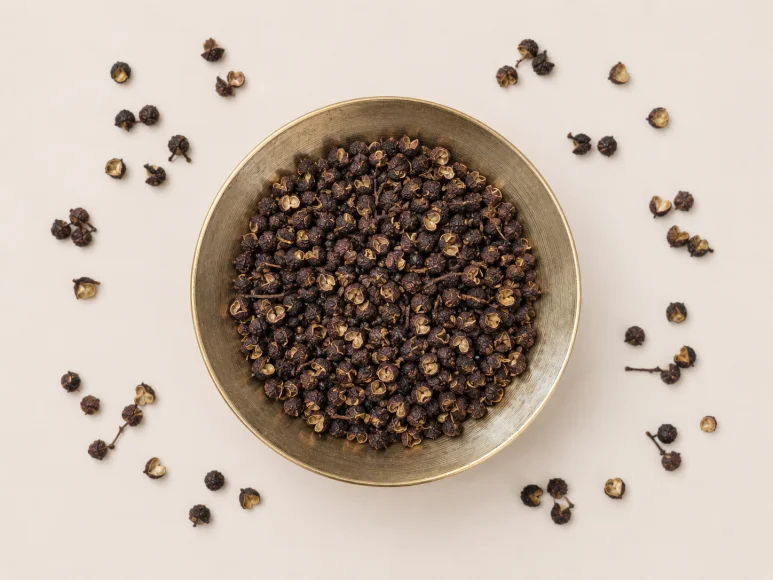
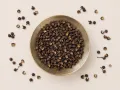
Discover our whole Timut peppercorns, hand-harvested in the Himalayan forests of Nepal. Intense grapefruit and citrus aromas, gently warming with a unique tingling sansho effect to elevate your seafood, white meats, and sweet creations.

€6.50
€325.00/kg
By purchasing this product, you add €0.24 to your loyalty account, redeemable as a discount on your next order!
Loading...

Ready for shipping, delivery time 2-5 business days

Delivery from €3.99 at Mondial Relay pickup points. Free shipping from €45.

Free spice samples with every order.

Mondial Relay
Colissimo
Chronopost
  • Timut Pepper: the citrus-scented pepper from the Himalayas

    Timut pepper (Zanthoxylum armatum) is a rare and precious berry hand-harvested from the Himalayan forests of Nepal. A cousin of Sichuan pepper, it stands out for its highly distinctive notes of fresh grapefruit and citrus, accompanied by gentle warmth and a light numbing tingle on the palate. We source our whole peppercorns in Nepal to bring you a spice of exceptional aromatic freshness.

    Why choose whole peppercorns?

    Whole Timut peppercorns preserve all their essential oils and volatile aromas until the moment you crack or grind them. Freshly ground, they instantly release the citrus notes that define this spice. Coarsely cracked, they deliver unmatched texture and an explosion of flavour as a finishing touch.

    Culinary uses:

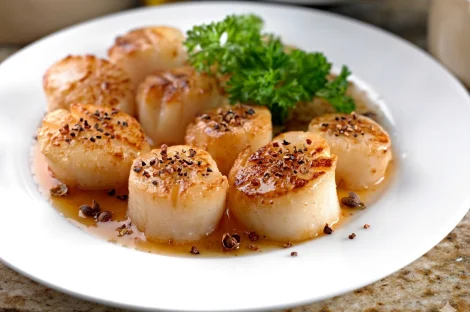
    • Fish and seafood: perfect as a finishing touch on ceviche, seared scallops, or salmon carpaccio
    • White meats: roast chicken, veal in cream sauce, or duck breast enhanced by its citrus notes
    • Dark chocolate desserts: coarsely cracked over a fondant or ganache creates a remarkable citrus-cocoa pairing
    • Gin and tonic and cocktails: 2 to 3 lightly crushed peppercorns in a gin tonic add a unique aromatic dimension
    • Citrus pairings: as a finishing touch on a grapefruit salad, lemon tart, or citrus vinaigrette
    • Fusion cuisine and haute gastronomy: a favourite among French chefs for its surprising sensory effects and unmatched aromatic profile

    Origin and quality:

    We source our spices in Nepal, to guarantee a premium quality product. Timut pepper is hand-harvested at altitude in the Himalayan forests, making it a rare spice whose production remains artisanal and limited.

    Storage:

    To preserve all its aromas, store your Timut pepper in a dry place, away from light and humidity, in its airtight packaging. Grind or crack the peppercorns at the last moment to fully enjoy their citrus notes.

  • Promotes digestion and reduces bloating

    Stimulates blood circulation

    Rich in natural antioxidants

    Recognised anti-inflammatory properties

    Relieves gastrointestinal discomfort

    Strengthens immune defences

    Source of essential minerals (zinc, manganese, copper)

    Natural soothing numbing effect on oral mucosa

  • Nutritional declaration per 100g

    Nutritional component Per 100g
    Energy 1 397 kJ / 334 kcal
    Fat ~ 8,5 g
    of which saturated fat ~ 1,2 g
    Carbohydrates ~ 65 g
    of which sugars ~ 1,8 g
    Dietary fiber ~ 26,5 g
    Proteins ~ 6,7 g
    Salt ~ 40 mg
  • Directly selected smallholder producers Yes
    Pesticides free Yes
    Vegetarian Yes
    Origin Himalayas, Nepal
    Quality Premium
    Type Whole peppercorns
    Taste profile Very distinctive notes of grapefruit and fresh citrus, gently warming with a unique tingling effect on the palate (similar to Sichuan pepper).

Learn more

  • Timut pepper takes its name from the Nepali word "Timur", referring to the thorny berries of Zanthoxylum armatum, a wild shrub that grows in the remote valleys of southern Nepal, between 1,000 and 2,500 metres of altitude. Unlike black pepper, it doesn't come from a tropical vine but from a Himalayan cousin of citrus fruits — the Rutaceae family.

    Used for generations by Nepali communities and in northern India (particularly Uttarakhand and Sikkim), Timur long remained a little-known spice, hand-picked from thorny wild shrubs growing at the forest's edge. It is a key seasoning in momos, Nepal's iconic steamed dumplings, and in many mountain-cuisine preparations.

    One spice, two spellings

    Depending on the transliteration, you'll see both "Timut" and "Timur" — they refer to the same spice. The Frenchified spelling "Timut" became standard among Western chefs who introduced it to Europe from the 2010s onward, notably through new-wave Nepali cuisine and the Parisian gastronomic scene.

    It is precisely this Western rediscovery, driven by chefs in search of new aromatic sensations, that brought Timut pepper beyond the Himalayas. Its kinship with Sichuan pepper (Zanthoxylum simulans or bungeanum), already popularised through Chinese cuisine, made its adoption easier: both spices share the same characteristic light numbing effect typical of the Zanthoxylum genus.

    Did you know?

    • Timut pepper is not a true pepper — it belongs to the Rutaceae family (citrus), not the Piperaceae family of black pepper
    • It grows wild on thorny shrubs, unlike black pepper, which is cultivated on vines
    • Its flavour is reminiscent of fresh grapefruit — some chefs use it as a citrus substitute in savoury dishes
    • Nepal remains the world's main producer; harvesting is still artisanal and limited
    • It is a close cousin of Sichuan pepper, though their aromatic profiles differ clearly: Timut is more citrusy, Sichuan more floral and woody
    • The "tingling" sensation it produces on the tongue comes from hydroxy-alpha-sanshool, a molecule also found in Sichuan pepper

    Timut pepper across languages

    LanguageName
    FrenchPoivre de Timut
    NepaliTimur (टिमुर)
    HindiTejbal / Timru (तेजबल)
    EnglishTimut pepper / Nepal pepper
    Botanical LatinZanthoxylum armatum
    FamilyRutaceae (citrus)

    The name "Timut" is a phonetic adaptation of the Nepali Timur, itself rooted in Himalayan terms used to describe several thorny species of the Zanthoxylum genus. This linguistic kinship extends all the way to China's Sichuan region, where closely related species carry similar names — a sign of one botanical family spread across the entire Himalayan arc and East Asia.

  • CharacteristicDetail
    Latin nameZanthoxylum armatum DC.
    Botanical familyRutaceae — the citrus family
    Local nameTimur (Nepali)
    Part usedDried berry husk (the inner black seed is removed or barely used)
    HabitatWild thorny shrub, forest edges and sloped terrain
    Growing altitude1,000 to 2,500 metres
    HarvestHand-picked ripe berries, generally in autumn
    DryingNaturally sun-dried

    Timut pepper grows in the remote valleys of southern Nepal, on the Himalayan foothills, as well as in some bordering regions of northern India (Sikkim, Uttarakhand). This mid-mountain climate, with humid summers and cool winters, shapes this spice's distinctive character.

    The terroir that makes the difference

    • Altitude between 1,000 and 2,500 metres, on the steep slopes of southern Nepal
    • Wild or semi-wild harvesting: unlike black pepper, Timur grows spontaneously and is rarely cultivated in intensive plantations
    • Thorny shrub reaching 2 to 3 metres, with small aromatic leaves and discreet flowers
    • Artisanal, limited production, making it a rare spice on the world market
    • Small family holdings: harvesting is usually carried out by local communities

    Not a true pepper

    Despite its name, Timut pepper does not belong to the Piper genus (black, white, green, red pepper) but to Zanthoxylum, the genus of wild citrus relatives. It therefore contains no piperine, but rather citrusy volatile compounds and hydroxy-alpha-sanshool, responsible for its characteristic tingling sensation. It is a direct cousin of Sichuan pepper (Zanthoxylum bungeanum/simulans), used in China for millennia.

    Botany

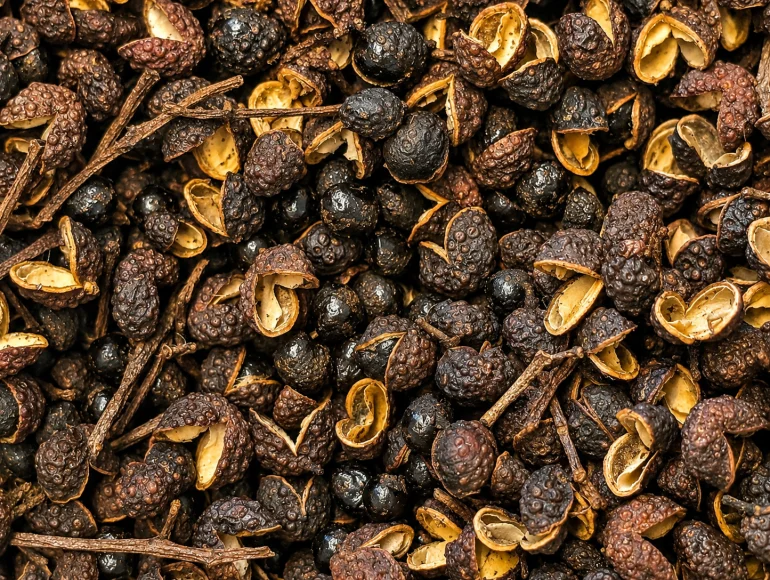
    Zanthoxylum armatum is a thorny evergreen shrub bearing small round berries that, once dried, split open to reveal a glossy black seed surrounded by a slightly cracked reddish-brown husk. It is this husk, rich in essential oils, that concentrates most of the aroma — the inner black seed is far less fragrant and sometimes removed before sale.

  • Timut pepper is unmistakable: as soon as you open the bag, an intense scent of grapefruit and fresh citrus emerges, followed by floral and slightly resinous notes. On the palate, it delivers a gentle warmth, far from the sharp bite of black pepper, along with a tingling, faintly numbing sensation on the tongue — the same one produced by Sichuan pepper.

    SpiceAromatic profile
    Timut pepperGrapefruit, fresh citrus, floral, light tingling sensation
    Sichuan pepperMore woody and floral, stronger numbing effect, less citrusy
    Black pepperWoody, resinous, sharp heat, no tingling effect

    Chef's tip

    Crack or grind Timut pepper at the very last moment, directly onto the finished dish. Prolonged cooking destroys its volatile citrus aromas — use it as a finishing spice, never as a base for long cooking.

  • Timut pepper works equally well in savoury dishes and sweet preparations, as long as it's added right at the end of cooking to preserve its volatile aromas.

    In savoury cooking

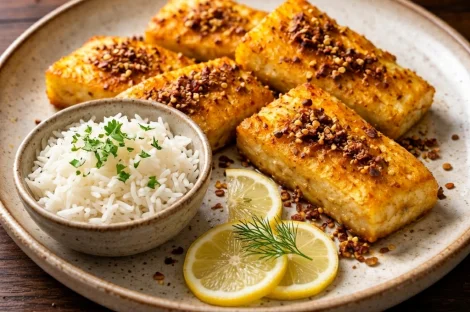
    • Fish and seafood: trout, salmon, scallops, ceviche — its citrusy edge is a great stand-in for lemon zest
    • Poultry and white meats: roast chicken, duck, grilled pork
    • Wok and Asian cooking: cracked into a stir-fried vegetable or noodle wok
    • Nepali momos: essential in the achar dipping sauce served with these traditional steamed dumplings
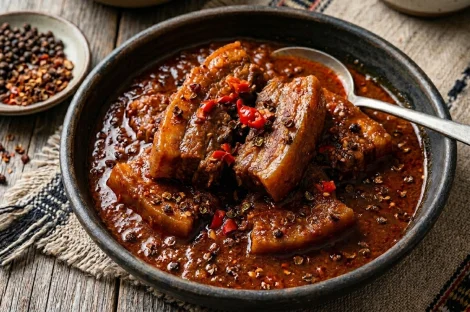
    • Mountain broths and soups: a few cracked berries instantly lift a broth

    In sweet cooking

    • Dark chocolate: in a ganache, or coarsely cracked over a fondant — the citrus-cocoa pairing is spectacular
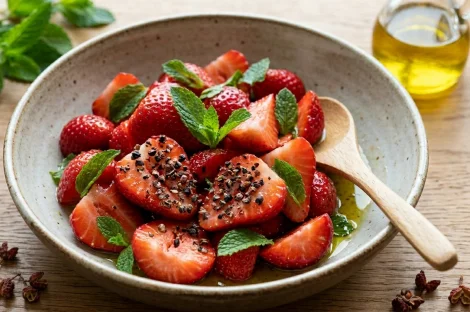
    • Fresh fruit: strawberries, pineapple, citrus salad — a pinch of cracked Timut enhances their natural sweetness
    • Creams and dairy desserts: crème brûlée, infused panna cotta
    • Jams and compotes: a surprising note in a grapefruit or citrus jam

    How much to use

    Always start small: 3 to 5 cracked berries are enough to season a dish for two. Its aroma is powerful and its tingling sensation can be surprising — better to add it gradually than use too much at once.

  • Like many spices from the wild citrus family, Timut pepper is traditionally valued in the Himalayas for its digestive properties, though Western scientific research has not studied it as extensively as black pepper or turmeric.

    What we know

    • Antioxidants: like most aromatic spices, it contains antioxidant compounds from its essential oils
    • Digestive comfort: traditionally used in Nepal at the end of a meal to aid digestion
    • Refreshing sensation: hydroxy-alpha-sanshool, responsible for the tingling effect, is also studied for its effects on sensory perception

    Usage precaution

    This information is provided for culinary and traditional purposes only, and does not constitute medical advice. Timut pepper carries no health claim validated by health authorities. If pregnant, breastfeeding, or under medical treatment, consult a healthcare professional before consuming it in unusual quantities.

  • How to recognise good Timut pepper

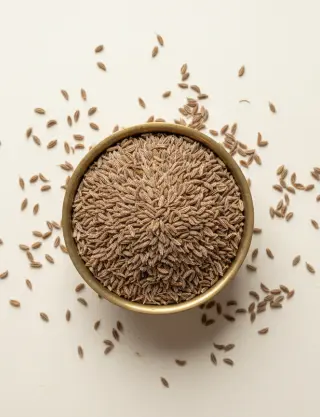
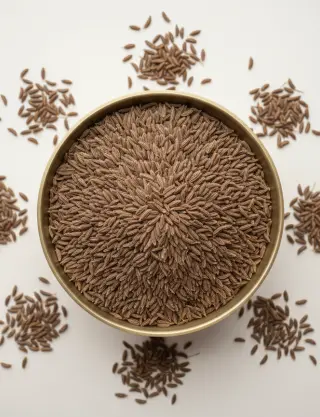
    • Colour: reddish-brown husk, slightly cracked, without excessive dust
    • Aroma: powerful, fresh grapefruit scent as soon as you open it — old Timut pepper quickly loses its citrusy intensity
    • Whole berries: never pre-ground, to preserve its highly volatile essential oils
    • Stated origin: choose a clearly labelled Nepal origin

    Storage tips

    • Store whole berries in an airtight jar, away from light and humidity
    • Only crack or grind right before use — the citrus aromas evaporate within minutes of crushing
    • Optimal shelf life: about 1 year for well-stored whole berries; its volatile aromas fade faster than black pepper's
    • Sign of degradation: fading citrus scent, weaker tingling sensation
  • Is Timut pepper a true pepper?

    No. Despite its name, it does not belong to the Piper genus (black, white, green pepper) but to the Zanthoxylum genus, the wild citrus relatives. It is a direct cousin of Sichuan pepper, not a botanical true pepper.

    Where does its numbing sensation on the tongue come from?

    It comes from hydroxy-alpha-sanshool, a compound also found in Sichuan pepper. It stimulates certain sensory receptors on the tongue, causing the characteristic tingling and light numbing sensation typical of the Zanthoxylum genus.

    How should I use Timut pepper in cooking?

    Always crack or grind it at the very last moment, at the end of cooking or as a finishing touch, to preserve its volatile citrus aromas. It works equally well on savoury dishes (fish, poultry, wok) and sweet ones (dark chocolate, fruit, creams).

    What can I substitute for Timut pepper?

    Sichuan pepper is the closest substitute, with a woodier, more floral, less citrusy profile. Failing that, freshly ground black pepper combined with citrus zest can approximate, without ever fully replicating, its characteristic tingling sensation.

Pourquoi choisir Timut Pepper from the Himalayas de La Table Indienne ?

Icône de cible

Fraîcheur et qualité exceptionnelles

Nos épices sont importées directement d'Inde et conditionnées à la demande pour garantir une fraîcheur optimale. Contrairement aux épices vendues en grande surface qui peuvent rester des mois sur les étagères, nous veillons à ce que chaque épice conserve toute sa saveur et son arôme.

Icône de cible

Authenticité et traçabilité

Chaque épice provient de régions spécifiques en Inde réputées pour leur savoir-faire. Nous travaillons directement avec des producteurs locaux qui cultivent leurs épices de manière traditionnelle, sans pesticides ni produits chimiques.

Icône de cible

Comment bien utiliser cette épice ?

Pour révéler tous les arômes, nous recommandons de faire légèrement griller les épices entières à sec dans une poêle avant de les moudre. Conservez-les dans un endroit sec et à l'abri de la lumière pour préserver leur fraîcheur le plus longtemps possible.

Icône d'étoile

Le saviez-vous ?

Les épices entières sont bien meilleures que les épices moulues
Consultez notre article de blog pour découvrir pourquoi les épices entières conservent mieux leurs arômes.

Questions & Answers

Thank you! Your question has been sent. Mihika will answer soon and you will receive an email.

Ask Mihika your question

Your email will not be published. It is only used to notify you of the answer.

Timut Pepper from the Himalayas

€6.50