



Perilla Seeds (Shiso)
Discover our perilla seeds (shiso), an iconic Asian cuisine ingredient with herbaceous, minty and lightly anise notes.
Ready for shipping, delivery time 3-21 business days
Delivery from €4.80 at Mondial Relay pickup points.
Free spice samples with every order.



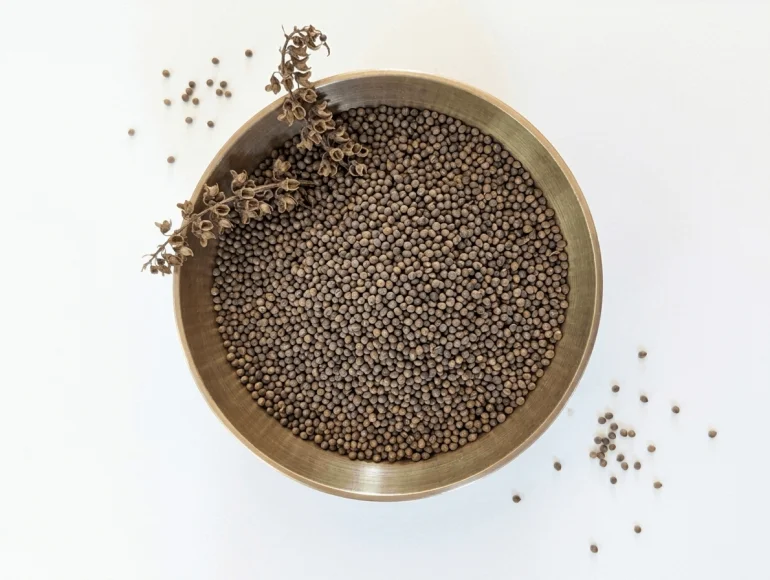
Perilla Seeds (Shiso): a treasure of Asian cuisine
Perilla seeds (Perilla frutescens), also known as shiso in Japan, are one of the most underrated superfoods in Asian cuisine. Used for centuries in Korea, Japan and China, these small seeds pack an exceptional nutritional profile, particularly in plant-based omega-3 fatty acids. We source them from smallholder farms in India to guarantee a premium natural product, free from pesticides and additives.
Why choose perilla seeds?
Perilla seeds are one of the richest plant sources of alpha-linolenic acid (ALA), an essential omega-3 fatty acid. Their unique aromatic profile (herbaceous, lightly minty with hints of anise and basil) makes them a versatile ingredient that brings both flavour and nutritional benefits. Lightly toasted, they develop an irresistible nutty note that enhances any dish.
Culinary uses:
- Asian seasoning: sprinkle over rice, stir-fried noodles and soups
- Garnish for sushi and sashimi: add a crunchy, aromatic touch
- Infusions and teas: steep for a soothing herbal drink
- Salad dressings and sauces: blend into vinaigrettes for a unique twist
- Baking and bread: mix into dough for an original seeded bread
- Korean and Japanese pickles: a traditional ingredient in jangajji and tsukemono
Origin and quality:
We source our perilla seeds from smallholder farms in India, guaranteeing a premium natural product free from pesticides and additives.
Storage:
To preserve all their aromas and fatty acids, store your perilla seeds in a cool, dry place, away from light and moisture, in their airtight packaging. They keep for up to 12 months.
Exceptionally rich in plant-based omega-3 ALA
Natural anti-inflammatory properties
Rich in protective antioxidants (rosmarinic acid)
Supports skin health thanks to essential fatty acids
Good source of iron and calcium
Supports digestive health thanks to high fibre content
Natural source of vitamin E
Supports the immune system
Nutritional declaration per 100g
| Nutritional component | Per 100g |
|---|---|
| Energy | 2 200 kJ / 517 kcal |
| Fat | ~ 43 g |
| of which saturated fat | ~ 4 g |
| Carbohydrates | ~ 12 g |
| of which sugars | ~ 1 g |
| Dietary fiber | ~ 20 g |
| Proteins | ~ 20 g |
| Salt | ~ 10 mg |
| Directly selected smallholder producers | Yes |
| Pesticides free | Yes |
| Vegetarian | Yes |
| Origin | India |
| Quality | Premium |
| Type | Dried seeds |
| Taste profile | Herbaceous, lightly minty with hints of anise and basil. A nutty undertone emerges when lightly toasted. |
| Composition | 100% perilla seeds (Perilla frutescens) |
Learn more
Perilla is one of the oldest cultivated plants in East Asia. Archaeological evidence confirms its cultivation in China over 2,000 years ago, where it served simultaneously as a medicinal plant, culinary herb and oilseed crop. The earliest Chinese pharmacopoeia texts, including the Shennong Bencao Jing (Classic of the Divine Farmer's Materia Medica), already document its therapeutic properties.
In Japan, shiso has occupied a central place in culinary culture since the Heian period (794-1185). Green leaves (aojiso) and red leaves (akajiso) are inseparable from traditional Japanese cuisine. Perilla seeds, called egoma, have been used as a condiment and for oil production for centuries. Red shiso is also essential for making umeboshi (salted fermented plums), giving them their characteristic red colour.
In Korea, perilla (known as deulkkae) is a fundamental crop. Perilla oil (deulgireum) was the traditional Korean cooking oil long before sesame oil was introduced. Perilla leaves (kkaennip), larger and more fragrant than Japanese shiso, are ubiquitous in Korean cuisine: as ssam (leaves wrapping grilled meat), in kimchi, and as a barbecue side dish.
In Southeast Asia, perilla is found in Vietnam (called tia to) where it accompanies spring rolls, rice paper rolls and noodle soups. In India, the plant is cultivated in the northeastern regions and Himalayan foothills, where it is used as an oilseed and in traditional medicine.
Did you know?
- The word "shiso" comes from the Chinese "zi su" (紫苏), which literally means "purple plant that revives", a reference to its medicinal virtues
- Perilla is one of the few plants that is simultaneously a culinary herb, an oilseed and a major medicinal plant in three distinct pharmacopoeias (Chinese, Japanese, Korean)
- In Japan, shiso is considered a natural antiseptic, which is why it traditionally accompanies raw fish sashimi
- Perilla oil was once used in Asia to waterproof paper umbrellas and as a component of lacquers and varnishes
- In Korea, marinated perilla leaves (kkaennip-jangajji) are a banchan (side dish) served at practically every meal
| Characteristic | Detail |
|---|---|
| Latin name | Perilla frutescens (L.) Britton |
| Botanical family | Lamiaceae |
| Common names | Perilla, Shiso, Egoma, Deulkkae |
| Part used | Seeds (achenes) |
| Aromatic compounds | Perillaldehyde, limonene, linalool, beta-caryophyllene |
| Growth cycle | Annual, sowing in spring, harvest in autumn |
| Harvest | September to November |
Perilla is an annual herbaceous plant that can reach 60 to 100 cm in height. It adapts remarkably well to different climates, from the temperate regions of Japan and Korea to the tropical zones of India and Southeast Asia. This adaptability explains its spread across the entire Asian continent.
In India, our suppliers cultivate perilla in regions with a warm, humid climate, where the plant benefits from ideal conditions: abundant rainfall during the vegetative growth phase, followed by a drier period favourable for seed maturation. The mineral-rich soils of the Himalayan foothills and northeastern India give the seeds a particularly rich nutritional profile.
Perilla seeds offer a complex and fascinating aromatic profile, at the crossroads of several flavour worlds. Their taste is a unique blend of fresh herbs, gentle spices and earthy notes that distinguishes them from all other aromatic seeds.
| Aromatic note | Description |
|---|---|
| Top note | Herbaceous, slightly minty, fresh |
| Heart note | Anise-like, reminiscent of basil and shiso, slightly camphoraceous |
| Base note | Nutty (especially when toasted), earthy, slightly citrusy |
| On the palate | Crunchy texture, herbaceous-nutty flavour, medium aromatic persistence |
Raw, perilla seeds have a herbaceous and slightly minty flavour, with nuances of basil and anise. Toasted, they reveal pronounced hazelnut and toasted sesame notes while retaining their herbaceous complexity. It is in this form that Koreans appreciate them most.
Chef's tip
To bring out the best in perilla seeds, dry-toast them in a hot pan for 2 to 3 minutes, stirring constantly, until they emit a nutty fragrance and begin to crackle lightly. Then crush them with a mortar or grinder to release their aroma and oils. This technique, called deulkkae garu in Korean, is the foundation of many sauces and seasonings.
Perilla seeds are a versatile ingredient that fits seamlessly into both traditional Asian cuisines and contemporary preparations. Their unique aromatic profile (between hazelnut, fresh herbs and anise) makes them a choice condiment for enhancing salads, rice, soups and baked goods.
In Japanese cuisine
- Homemade furikake: toasted and ground perilla seeds, mixed with salt, nori seaweed and sesame, make an exquisite rice seasoning
- Sashimi and sushi garnish: the seeds add a crunchy, aromatic note
- Onigiri: incorporated into the rice or as an outer coating
- Tempura: toasted seeds in tempura batter add crunch
In Korean cuisine
- Deulkkae garu: toasted perilla powder, an indispensable Korean condiment used in soups, noodles and sauces
- Perilla soup (deulkkae-tang): a creamy soup based on perilla powder, one of the iconic comfort dishes of Korean cuisine
- Cold noodles (deulkkae guksu): noodles served in a creamy perilla broth
- Pancakes (deulkkae-jeon): seeds incorporated into savoury pancakes
Contemporary and international uses
- Salads: whole or toasted seeds as topping for green salads, bowls or poke bowls
- Vinaigrettes and dressings: perilla oil or ground seeds add a herbaceous, nutty flavour
- Smoothies and yoghurts: a spoonful of seeds provides an omega-3 boost
- Baking: incorporated into breads, focaccias or crackers for an original touch
- Infusion: steeped perilla seeds make a gentle, herbaceous tea appreciated in traditional medicine
Perilla seeds are a true nutritional powerhouse. Their exceptional profile makes them a superfood in the truest sense of the word, with benefits documented by an ever-growing body of scientific literature.
Documented properties
- Champion of plant-based omega-3s: perilla seeds contain 54 to 64% alpha-linolenic acid (ALA) in their oil, the highest concentration of any known plant source. Omega-3 ALA is essential for cardiovascular health, brain function and inflammation regulation.
- Anti-inflammatory: rosmarinic acid, present in significant quantities in perilla seeds, is a powerful natural antioxidant and anti-inflammatory. Studies show it inhibits the production of pro-inflammatory mediators.
- Antioxidant: rich in phenolic compounds (rosmarinic acid, luteolin, apigenin), perilla neutralises free radicals and protects cells from oxidative stress.
- Skin health: omega-3s and rosmarinic acid help maintain skin hydration and elasticity. In traditional Asian medicine, perilla is recommended for skin conditions.
- Anti-allergenic: in traditional Japanese medicine (Kampo), perilla-based preparations are used against seasonal allergies. Rosmarinic acid inhibits histamine release.
- Mineral source: iron, calcium, magnesium, potassium, zinc; perilla seeds provide a broad spectrum of essential minerals
- Vitamin E: a fat-soluble antioxidant that protects omega-3 fatty acids from oxidation
Precautions
Perilla seeds are generally well tolerated. People on anticoagulant medication should consult their doctor due to the high omega-3 content. Those allergic to Lamiaceae plants (mint, basil) may show cross-sensitivity.
How to recognise good perilla seeds
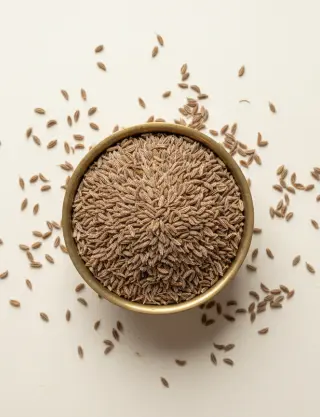
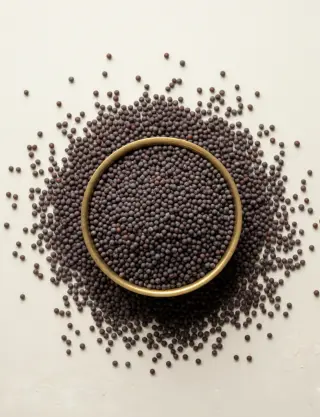
- Colour: uniform dark brown to greyish, seeds that are too pale or mottled may indicate poor storage
- Shape: small, round seeds (1 to 2 mm), regular, without excessive debris
- Aroma: herbaceous and slightly nutty fragrance when rubbed, lack of smell indicates seeds that are too old
- Taste: delicate herbaceous flavour with nutty and anise notes, no pronounced bitterness or rancid taste
Storage tips
- Store in an airtight jar, away from light, heat and moisture
- Perilla seeds are rich in omega-3s, which are sensitive to oxidation, cool storage extends their shelf life
- Optimal shelf life: 6 months at room temperature, up to 12 months refrigerated
- Only toast just before use to preserve aromas
- Signs of degradation: rancid smell, bitter taste, loss of herbaceous fragrance
What is the difference between perilla and shiso?
Perilla (Perilla frutescens) is the botanical name of the plant. Shiso is the Japanese name that refers more specifically to the crispa variety, cultivated mainly for its aromatic leaves. Perilla seeds generally come from the frutescens variety, which is richer in oil and omega-3s. Both varieties belong to the same species.
Are perilla seeds better than flaxseeds for omega-3?
Perilla seeds contain 54 to 64% ALA (omega-3) in their oil, a proportion comparable to or even higher than flax. Their advantage is a more pleasant aromatic profile and greater culinary versatility. Both are excellent plant-based omega-3 sources and complement each other well in the diet.
Should perilla seeds be toasted before eating?
It is not mandatory, but toasting reveals intense nutty aromas that elevate preparations. Raw, they have a more herbaceous and delicate taste. In Korea, seeds are almost always toasted then ground into powder (deulkkae garu) before use. Choose according to your preference and the recipe.
Can perilla seeds be used in baking?
Absolutely! Whole or ground perilla seeds integrate very well into breads, muffins, cookies and crackers. Their nutty taste and herbaceous notes bring an interesting originality. They can partially replace sesame or poppy seeds in most recipes.
Are perilla seeds gluten-free?
Yes, perilla seeds are naturally gluten-free. They are perfectly suitable for people with gluten intolerance or sensitivity.
-
Perilla is one of the oldest cultivated plants in East Asia. Archaeological evidence confirms its cultivation in China over 2,000 years ago, where it served simultaneously as a medicinal plant, culinary herb and oilseed crop. The earliest Chinese pharmacopoeia texts, including the Shennong Bencao Jing (Classic of the Divine Farmer's Materia Medica), already document its therapeutic properties.
In Japan, shiso has occupied a central place in culinary culture since the Heian period (794-1185). Green leaves (aojiso) and red leaves (akajiso) are inseparable from traditional Japanese cuisine. Perilla seeds, called egoma, have been used as a condiment and for oil production for centuries. Red shiso is also essential for making umeboshi (salted fermented plums), giving them their characteristic red colour.
In Korea, perilla (known as deulkkae) is a fundamental crop. Perilla oil (deulgireum) was the traditional Korean cooking oil long before sesame oil was introduced. Perilla leaves (kkaennip), larger and more fragrant than Japanese shiso, are ubiquitous in Korean cuisine: as ssam (leaves wrapping grilled meat), in kimchi, and as a barbecue side dish.
In Southeast Asia, perilla is found in Vietnam (called tia to) where it accompanies spring rolls, rice paper rolls and noodle soups. In India, the plant is cultivated in the northeastern regions and Himalayan foothills, where it is used as an oilseed and in traditional medicine.
Did you know?
- The word "shiso" comes from the Chinese "zi su" (紫苏), which literally means "purple plant that revives", a reference to its medicinal virtues
- Perilla is one of the few plants that is simultaneously a culinary herb, an oilseed and a major medicinal plant in three distinct pharmacopoeias (Chinese, Japanese, Korean)
- In Japan, shiso is considered a natural antiseptic, which is why it traditionally accompanies raw fish sashimi
- Perilla oil was once used in Asia to waterproof paper umbrellas and as a component of lacquers and varnishes
- In Korea, marinated perilla leaves (kkaennip-jangajji) are a banchan (side dish) served at practically every meal
-
Characteristic Detail Latin name Perilla frutescens (L.) Britton Botanical family Lamiaceae Common names Perilla, Shiso, Egoma, Deulkkae Part used Seeds (achenes) Aromatic compounds Perillaldehyde, limonene, linalool, beta-caryophyllene Growth cycle Annual, sowing in spring, harvest in autumn Harvest September to November Perilla is an annual herbaceous plant that can reach 60 to 100 cm in height. It adapts remarkably well to different climates, from the temperate regions of Japan and Korea to the tropical zones of India and Southeast Asia. This adaptability explains its spread across the entire Asian continent.
In India, our suppliers cultivate perilla in regions with a warm, humid climate, where the plant benefits from ideal conditions: abundant rainfall during the vegetative growth phase, followed by a drier period favourable for seed maturation. The mineral-rich soils of the Himalayan foothills and northeastern India give the seeds a particularly rich nutritional profile.
-
Perilla seeds offer a complex and fascinating aromatic profile, at the crossroads of several flavour worlds. Their taste is a unique blend of fresh herbs, gentle spices and earthy notes that distinguishes them from all other aromatic seeds.
Aromatic note Description Top note Herbaceous, slightly minty, fresh Heart note Anise-like, reminiscent of basil and shiso, slightly camphoraceous Base note Nutty (especially when toasted), earthy, slightly citrusy On the palate Crunchy texture, herbaceous-nutty flavour, medium aromatic persistence Raw, perilla seeds have a herbaceous and slightly minty flavour, with nuances of basil and anise. Toasted, they reveal pronounced hazelnut and toasted sesame notes while retaining their herbaceous complexity. It is in this form that Koreans appreciate them most.
Chef's tip
To bring out the best in perilla seeds, dry-toast them in a hot pan for 2 to 3 minutes, stirring constantly, until they emit a nutty fragrance and begin to crackle lightly. Then crush them with a mortar or grinder to release their aroma and oils. This technique, called deulkkae garu in Korean, is the foundation of many sauces and seasonings.
-
Perilla seeds are a versatile ingredient that fits seamlessly into both traditional Asian cuisines and contemporary preparations. Their unique aromatic profile (between hazelnut, fresh herbs and anise) makes them a choice condiment for enhancing salads, rice, soups and baked goods.
In Japanese cuisine
- Homemade furikake: toasted and ground perilla seeds, mixed with salt, nori seaweed and sesame, make an exquisite rice seasoning
- Sashimi and sushi garnish: the seeds add a crunchy, aromatic note
- Onigiri: incorporated into the rice or as an outer coating
- Tempura: toasted seeds in tempura batter add crunch
In Korean cuisine
- Deulkkae garu: toasted perilla powder, an indispensable Korean condiment used in soups, noodles and sauces
- Perilla soup (deulkkae-tang): a creamy soup based on perilla powder, one of the iconic comfort dishes of Korean cuisine
- Cold noodles (deulkkae guksu): noodles served in a creamy perilla broth
- Pancakes (deulkkae-jeon): seeds incorporated into savoury pancakes
Contemporary and international uses
- Salads: whole or toasted seeds as topping for green salads, bowls or poke bowls
- Vinaigrettes and dressings: perilla oil or ground seeds add a herbaceous, nutty flavour
- Smoothies and yoghurts: a spoonful of seeds provides an omega-3 boost
- Baking: incorporated into breads, focaccias or crackers for an original touch
- Infusion: steeped perilla seeds make a gentle, herbaceous tea appreciated in traditional medicine
-
Perilla seeds are a true nutritional powerhouse. Their exceptional profile makes them a superfood in the truest sense of the word, with benefits documented by an ever-growing body of scientific literature.
Documented properties
- Champion of plant-based omega-3s: perilla seeds contain 54 to 64% alpha-linolenic acid (ALA) in their oil, the highest concentration of any known plant source. Omega-3 ALA is essential for cardiovascular health, brain function and inflammation regulation.
- Anti-inflammatory: rosmarinic acid, present in significant quantities in perilla seeds, is a powerful natural antioxidant and anti-inflammatory. Studies show it inhibits the production of pro-inflammatory mediators.
- Antioxidant: rich in phenolic compounds (rosmarinic acid, luteolin, apigenin), perilla neutralises free radicals and protects cells from oxidative stress.
- Skin health: omega-3s and rosmarinic acid help maintain skin hydration and elasticity. In traditional Asian medicine, perilla is recommended for skin conditions.
- Anti-allergenic: in traditional Japanese medicine (Kampo), perilla-based preparations are used against seasonal allergies. Rosmarinic acid inhibits histamine release.
- Mineral source: iron, calcium, magnesium, potassium, zinc; perilla seeds provide a broad spectrum of essential minerals
- Vitamin E: a fat-soluble antioxidant that protects omega-3 fatty acids from oxidation
Precautions
Perilla seeds are generally well tolerated. People on anticoagulant medication should consult their doctor due to the high omega-3 content. Those allergic to Lamiaceae plants (mint, basil) may show cross-sensitivity.
-
How to recognise good perilla seeds
- Colour: uniform dark brown to greyish, seeds that are too pale or mottled may indicate poor storage
- Shape: small, round seeds (1 to 2 mm), regular, without excessive debris
- Aroma: herbaceous and slightly nutty fragrance when rubbed, lack of smell indicates seeds that are too old
- Taste: delicate herbaceous flavour with nutty and anise notes, no pronounced bitterness or rancid taste
Storage tips
- Store in an airtight jar, away from light, heat and moisture
- Perilla seeds are rich in omega-3s, which are sensitive to oxidation, cool storage extends their shelf life
- Optimal shelf life: 6 months at room temperature, up to 12 months refrigerated
- Only toast just before use to preserve aromas
- Signs of degradation: rancid smell, bitter taste, loss of herbaceous fragrance
-
What is the difference between perilla and shiso?
Perilla (Perilla frutescens) is the botanical name of the plant. Shiso is the Japanese name that refers more specifically to the crispa variety, cultivated mainly for its aromatic leaves. Perilla seeds generally come from the frutescens variety, which is richer in oil and omega-3s. Both varieties belong to the same species.
Are perilla seeds better than flaxseeds for omega-3?
Perilla seeds contain 54 to 64% ALA (omega-3) in their oil, a proportion comparable to or even higher than flax. Their advantage is a more pleasant aromatic profile and greater culinary versatility. Both are excellent plant-based omega-3 sources and complement each other well in the diet.
Should perilla seeds be toasted before eating?
It is not mandatory, but toasting reveals intense nutty aromas that elevate preparations. Raw, they have a more herbaceous and delicate taste. In Korea, seeds are almost always toasted then ground into powder (deulkkae garu) before use. Choose according to your preference and the recipe.
Can perilla seeds be used in baking?
Absolutely! Whole or ground perilla seeds integrate very well into breads, muffins, cookies and crackers. Their nutty taste and herbaceous notes bring an interesting originality. They can partially replace sesame or poppy seeds in most recipes.
Are perilla seeds gluten-free?
Yes, perilla seeds are naturally gluten-free. They are perfectly suitable for people with gluten intolerance or sensitivity.
Why choose Perilla Seeds (Shiso) from La Table Indienne?

Exceptional freshness and quality
Our spices are imported directly from India and packaged on demand to guarantee optimal freshness. Unlike spices sold in supermarkets that can sit on shelves for months, we ensure each spice retains its full flavor and aroma.
Authenticity and traceability
Each spice comes from specific regions in India renowned for their expertise. We work directly with local producers who grow their spices traditionally, without pesticides or chemicals.
How to best use this spice?
To reveal all the aromas, we recommend lightly toasting whole spices in a dry pan before grinding them. Store them in a dry place away from light to preserve their freshness as long as possible.

Did you know?
Whole spices are much better than ground spices
Check out our blog article to discover why whole spices retain their aromas better.
Questions & Answers
Thank you! Your question has been sent. Mihika will answer soon and you will receive an email.
Perilla Seeds (Shiso)
Discover also
Other products you might like