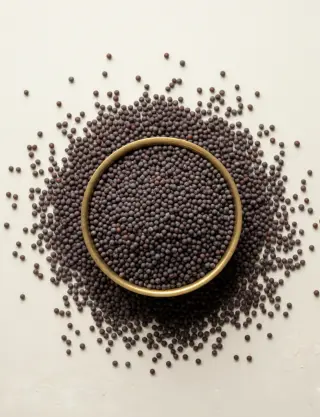




Black Sesame Seeds
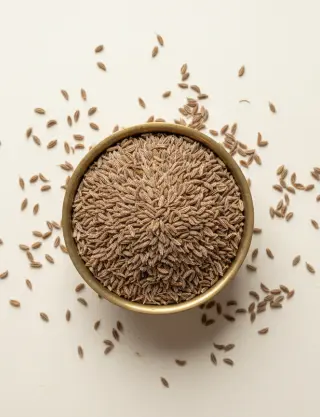
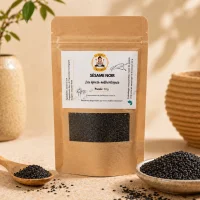
Discover our black sesame seeds, with intense, earthy and slightly bitter notes, prized in Asian cuisine and baking.
Ready for shipping, delivery time 3-21 business days
Delivery from €4.80 at Mondial Relay pickup points.
Free spice samples with every order.



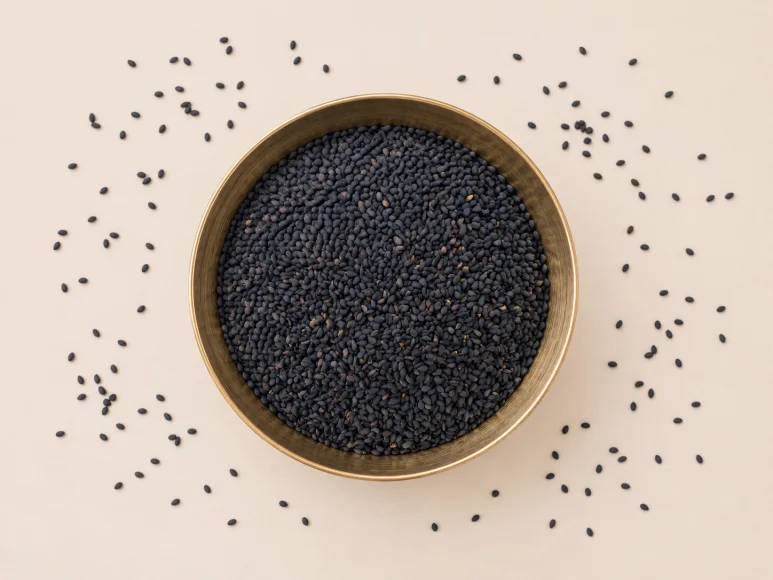
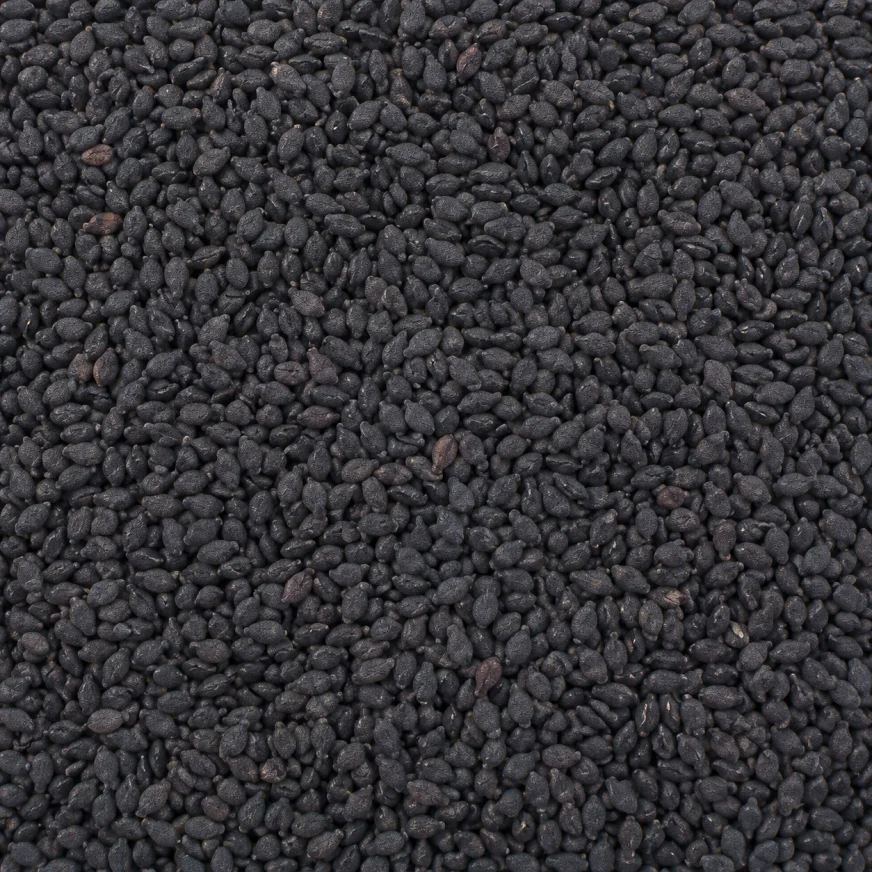
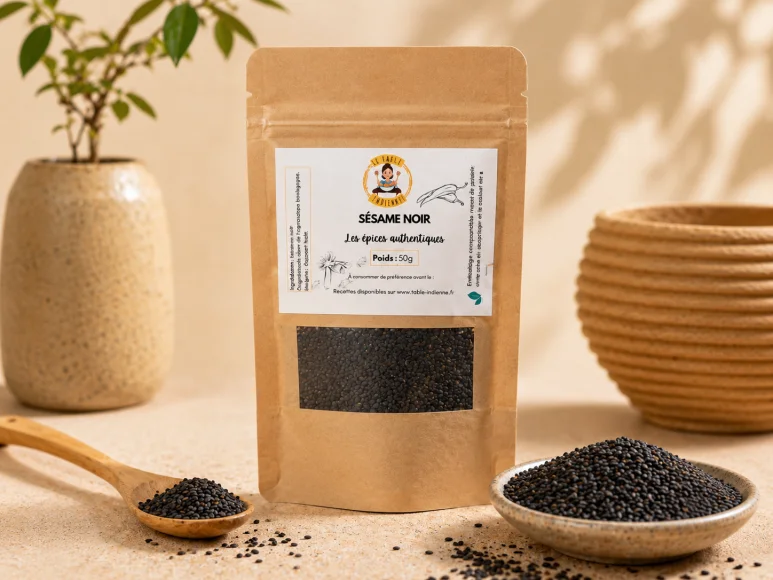
Black Sesame Seeds: a treasure of Asian cuisine
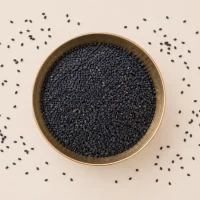
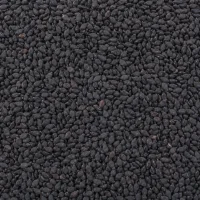
Black sesame seeds (Sesamum indicum) are an ancient variety prized throughout Asia for their intense flavour and exceptional nutritional qualities. Unlike white sesame, black sesame retains its antioxidant-rich outer hull, giving it its deep colour and more pronounced taste.
Why choose black sesame?
Black sesame offers a distinctly more intense aromatic profile than its white cousin: earthy, slightly bitter and toasty notes, with unmatched depth of flavour. Used for millennia in traditional Chinese medicine and in Japanese, Korean and Indian cooking, it is also renowned for its exceptional calcium, iron and antioxidant content. An ingredient as delicious as it is beneficial.
Culinary uses:
- Asian pastries and desserts: black sesame ice cream, mochi, tangyuan (glutinous rice balls)
- Garnish for sushi, rice bowls and stir-fried noodle dishes
- Homemade black sesame paste (kuro neri goma) for sauces and desserts
- Breads, crackers and breadsticks: sprinkle before baking for a decorative crunch
- Smoothies and health bowls (acai bowls, porridges) for a nutritional boost
- Traditional Asian soups and porridges (Taiwanese black sesame soup)
Origin and quality:
Our black sesame seeds come from India, selected for their premium quality.
Storage:
To preserve all its aromas, store your black sesame seeds in a cool, dry place, away from light and moisture, in its airtight packaging. They keep for up to 12 months.
Exceptionally rich in antioxidants (higher content than white sesame)
Excellent source of calcium and iron
Supports bone density maintenance
Rich in heart-healthy unsaturated fatty acids
Good source of zinc, essential for the immune system
Supports hair and skin health (traditional Asian medicine)
Anti-aging properties thanks to its sesamin and sesamolin content
Supports liver health and natural detoxification
Nutritional declaration per 100g
| Nutritional component | Per 100g |
|---|---|
| Energy | 2 400 kJ / 573 kcal |
| Fat | ~ 48 g |
| of which saturated fat | ~ 6,7 g |
| Carbohydrates | ~ 23 g |
| of which sugars | ~ 300 mg |
| Dietary fiber | ~ 14 g |
| Proteins | ~ 18 g |
| Salt | ~ 40 mg |
| Directly selected smallholder producers | Yes |
| Pesticides free | Yes |
| Vegetarian | Yes |
| Origin | India |
| Quality | Premium |
| Type | Whole seeds |
| Taste profile | Intense, earthy and slightly bitter flavour, with toasty notes and a more robust depth than white sesame. A deep, complex nutty taste. |
| Possible traces of allergens | Contains sesame |
Learn more
Black sesame shares the millennial origins of white sesame: the same plant Sesamum indicum, cultivated for over 5,000 years in the Indus Valley. But it is in the medical and philosophical traditions of East Asia that black sesame acquired its very special status.
In Traditional Chinese Medicine (TCM), black sesame (hei zhima, 黑芝麻) is classified among "superior" foods: those that nourish the vital essence (jing) and can be consumed daily without side effects. The famous medical text Bencao Gangmu (Compendium of Materia Medica) by Li Shizhen (1578) attributes to it the ability to "nourish the liver and kidneys, tonify the blood, blacken the hair and prolong life".
In traditional Japanese medicine (Kampo), black sesame is also considered a longevity food. In Japan, it is intimately linked to Buddhist temples, where vegetarian cuisine (shojin ryori) uses it abundantly.
In India, black sesame has been used since antiquity in Vedic rituals and ancestral offerings (pitru tarpana). Ayurveda considers it superior to white sesame for its medicinal properties.
Did you know?
- In China, black sesame has been considered an anti-ageing food for over 2,000 years
- In Japanese Buddhist cuisine (shojin ryori), black sesame is a central ingredient replacing animal proteins
- Black sesame is the base of the famous Chinese dessert tang yuan (glutinous dumplings filled with sweet black sesame paste), eaten during the Lantern Festival
- The black colour of the hull is due to melanins and anthocyanins, antioxidant pigments absent from hulled white sesame
| Characteristic | Detail |
|---|---|
| Latin name | Sesamum indicum L. |
| Botanical family | Pedaliaceae |
| Common names | Black sesame, Kuro goma (Japanese), Hei zhima (Chinese) |
| Part used | Whole unhulled seed |
| Pigments | Melanins, anthocyanins (in the hull) |
| Growth cycle | Annual, 90 to 120 days |
Black sesame is the same plant as white sesame (Sesamum indicum), but retains its intact black hull, which concentrates antioxidant pigments (melanins, anthocyanins) absent from hulled sesame. Our black sesame seeds come from India.
Black sesame offers a markedly more intense and complex flavour profile than white sesame. Its intact hull gives it an earthy dimension and depth of flavour.
| Aromatic note | Description |
|---|---|
| Top note | Earthy, slightly smoky, deep |
| Heart note | Intense nutty, warm, slightly bitter |
| Base note | Chocolate-like, mineral, persistent |
| On the palate | Crunchy texture, rich complex flavour, slightly astringent finish |
Where white sesame is gentle and subtle, black sesame is assertive and deep. You can detect notes reminiscent of cacao, coffee, even truffle in the finest qualities.
Black sesame is a star ingredient in Asian desserts and preparations, where its spectacular colour and intense flavour make it a central element.
Asian desserts and pastries
- Tang yuan: Chinese glutinous dumplings filled with sweet black sesame paste, the iconic Lantern Festival dessert
- Black sesame ice cream: deep, addictive flavour, increasingly popular worldwide
- Black sesame mochi: Japanese rice cake filled with black sesame paste
- Black sesame dessert soup (hei zhima hu): a smooth, comforting Chinese dessert served warm
Savoury uses and garnish
- Visual garnish: sprinkled on sushi, salads, avocado toast, soups, the black/white contrast is striking
- Goma dofu: Japanese black sesame "tofu", a Buddhist cuisine speciality
- Breads and crackers: incorporated into dough for nutty flavour and striking aesthetics
- Black sesame paste (black tahini): toasted black sesame blended to a creamy consistency
Black sesame has all the nutritional benefits of white sesame, plus the specific properties of its dark hull rich in antioxidant pigments.
Documented properties
- Superior antioxidants: the black hull contains melanins and anthocyanins, powerful antioxidant pigments absent from hulled sesame
- Exceptional calcium: unhulled black sesame is one of the best plant-based calcium sources (approximately 88 mg per tablespoon)
- Iron: notable source of non-haem iron
- Hair and skin health: rich in zinc, iron, B vitamins and antioxidants that contribute to hair and skin health
- Liver health: sesamin and sesamol have shown hepatoprotective effects in preclinical studies
- Unique lignans: sesamin and sesamol with antioxidant and anti-inflammatory properties
Precautions
Like white sesame, black sesame is one of the 14 major food allergens in Europe. People with sesame allergy must avoid this product.
Storage tips
- Store in an airtight jar, away from light, heat and moisture
- Black sesame retains its aromas better than hulled sesame thanks to its protective hull
- Optimal shelf life: 6 to 12 months at room temperature, longer if kept cool
- Only toast just before use
- Signs of degradation: rancid smell, loss of crunch, flat taste
Is black sesame a different variety from white sesame?
No, both come from the same plant (Sesamum indicum). The main difference is that black sesame retains its outer hull, while white sesame has it removed (hulled). The hull gives black sesame a more intense flavour, more fibre, more calcium and additional antioxidants (melanins, anthocyanins).
Does black sesame really help hair growth?
In Traditional Chinese Medicine, black sesame has been reputed for millennia to 'nourish the blood and blacken the hair'. While this traditional claim is not fully scientifically validated, black sesame's richness in zinc, iron, B vitamins and antioxidants does contribute to scalp and hair health as part of a balanced diet.
How do I make black sesame paste at home?
Toast 200 g of black sesame in a dry pan for 3 to 4 minutes. Cool, then blend in a food processor for 8 to 12 minutes, scraping the sides regularly. Black sesame takes longer than white to release its oil. Add 1 tablespoon of toasted sesame oil to thin if needed.
Can I substitute black sesame for white in recipes?
Yes, but the result will be different. Black sesame has a more intense, earthier flavour with slight bitterness, while white is gentler and nuttier. For tahini, black sesame produces a darker, more powerful paste. Choose based on the desired effect.
Why is black sesame associated with longevity in Asia?
In Traditional Chinese Medicine, black sesame is classified as a 'superior' food that nourishes the vital essence (jing). Its high content of antioxidants (melanins, anthocyanins, sesamin), minerals and healthy fats makes it a nutritional powerhouse that supports overall health, which aligns with modern nutritional science.
-
Black sesame shares the millennial origins of white sesame: the same plant Sesamum indicum, cultivated for over 5,000 years in the Indus Valley. But it is in the medical and philosophical traditions of East Asia that black sesame acquired its very special status.
In Traditional Chinese Medicine (TCM), black sesame (hei zhima, 黑芝麻) is classified among "superior" foods: those that nourish the vital essence (jing) and can be consumed daily without side effects. The famous medical text Bencao Gangmu (Compendium of Materia Medica) by Li Shizhen (1578) attributes to it the ability to "nourish the liver and kidneys, tonify the blood, blacken the hair and prolong life".
In traditional Japanese medicine (Kampo), black sesame is also considered a longevity food. In Japan, it is intimately linked to Buddhist temples, where vegetarian cuisine (shojin ryori) uses it abundantly.
In India, black sesame has been used since antiquity in Vedic rituals and ancestral offerings (pitru tarpana). Ayurveda considers it superior to white sesame for its medicinal properties.
Did you know?
- In China, black sesame has been considered an anti-ageing food for over 2,000 years
- In Japanese Buddhist cuisine (shojin ryori), black sesame is a central ingredient replacing animal proteins
- Black sesame is the base of the famous Chinese dessert tang yuan (glutinous dumplings filled with sweet black sesame paste), eaten during the Lantern Festival
- The black colour of the hull is due to melanins and anthocyanins, antioxidant pigments absent from hulled white sesame
-
Characteristic Detail Latin name Sesamum indicum L. Botanical family Pedaliaceae Common names Black sesame, Kuro goma (Japanese), Hei zhima (Chinese) Part used Whole unhulled seed Pigments Melanins, anthocyanins (in the hull) Growth cycle Annual, 90 to 120 days Black sesame is the same plant as white sesame (Sesamum indicum), but retains its intact black hull, which concentrates antioxidant pigments (melanins, anthocyanins) absent from hulled sesame. Our black sesame seeds come from India.
-
Black sesame offers a markedly more intense and complex flavour profile than white sesame. Its intact hull gives it an earthy dimension and depth of flavour.
Aromatic note Description Top note Earthy, slightly smoky, deep Heart note Intense nutty, warm, slightly bitter Base note Chocolate-like, mineral, persistent On the palate Crunchy texture, rich complex flavour, slightly astringent finish Where white sesame is gentle and subtle, black sesame is assertive and deep. You can detect notes reminiscent of cacao, coffee, even truffle in the finest qualities.
-
Black sesame is a star ingredient in Asian desserts and preparations, where its spectacular colour and intense flavour make it a central element.
Asian desserts and pastries
- Tang yuan: Chinese glutinous dumplings filled with sweet black sesame paste, the iconic Lantern Festival dessert
- Black sesame ice cream: deep, addictive flavour, increasingly popular worldwide
- Black sesame mochi: Japanese rice cake filled with black sesame paste
- Black sesame dessert soup (hei zhima hu): a smooth, comforting Chinese dessert served warm
Savoury uses and garnish
- Visual garnish: sprinkled on sushi, salads, avocado toast, soups, the black/white contrast is striking
- Goma dofu: Japanese black sesame "tofu", a Buddhist cuisine speciality
- Breads and crackers: incorporated into dough for nutty flavour and striking aesthetics
- Black sesame paste (black tahini): toasted black sesame blended to a creamy consistency
-
Black sesame has all the nutritional benefits of white sesame, plus the specific properties of its dark hull rich in antioxidant pigments.
Documented properties
- Superior antioxidants: the black hull contains melanins and anthocyanins, powerful antioxidant pigments absent from hulled sesame
- Exceptional calcium: unhulled black sesame is one of the best plant-based calcium sources (approximately 88 mg per tablespoon)
- Iron: notable source of non-haem iron
- Hair and skin health: rich in zinc, iron, B vitamins and antioxidants that contribute to hair and skin health
- Liver health: sesamin and sesamol have shown hepatoprotective effects in preclinical studies
- Unique lignans: sesamin and sesamol with antioxidant and anti-inflammatory properties
Precautions
Like white sesame, black sesame is one of the 14 major food allergens in Europe. People with sesame allergy must avoid this product.
-
Storage tips
- Store in an airtight jar, away from light, heat and moisture
- Black sesame retains its aromas better than hulled sesame thanks to its protective hull
- Optimal shelf life: 6 to 12 months at room temperature, longer if kept cool
- Only toast just before use
- Signs of degradation: rancid smell, loss of crunch, flat taste
-
Is black sesame a different variety from white sesame?
No, both come from the same plant (Sesamum indicum). The main difference is that black sesame retains its outer hull, while white sesame has it removed (hulled). The hull gives black sesame a more intense flavour, more fibre, more calcium and additional antioxidants (melanins, anthocyanins).
Does black sesame really help hair growth?
In Traditional Chinese Medicine, black sesame has been reputed for millennia to 'nourish the blood and blacken the hair'. While this traditional claim is not fully scientifically validated, black sesame's richness in zinc, iron, B vitamins and antioxidants does contribute to scalp and hair health as part of a balanced diet.
How do I make black sesame paste at home?
Toast 200 g of black sesame in a dry pan for 3 to 4 minutes. Cool, then blend in a food processor for 8 to 12 minutes, scraping the sides regularly. Black sesame takes longer than white to release its oil. Add 1 tablespoon of toasted sesame oil to thin if needed.
Can I substitute black sesame for white in recipes?
Yes, but the result will be different. Black sesame has a more intense, earthier flavour with slight bitterness, while white is gentler and nuttier. For tahini, black sesame produces a darker, more powerful paste. Choose based on the desired effect.
Why is black sesame associated with longevity in Asia?
In Traditional Chinese Medicine, black sesame is classified as a 'superior' food that nourishes the vital essence (jing). Its high content of antioxidants (melanins, anthocyanins, sesamin), minerals and healthy fats makes it a nutritional powerhouse that supports overall health, which aligns with modern nutritional science.
Why choose Black Sesame Seeds from La Table Indienne?

Exceptional freshness and quality
Our spices are imported directly from India and packaged on demand to guarantee optimal freshness. Unlike spices sold in supermarkets that can sit on shelves for months, we ensure each spice retains its full flavor and aroma.
Authenticity and traceability
Each spice comes from specific regions in India renowned for their expertise. We work directly with local producers who grow their spices traditionally, without pesticides or chemicals.
How to best use this spice?
To reveal all the aromas, we recommend lightly toasting whole spices in a dry pan before grinding them. Store them in a dry place away from light to preserve their freshness as long as possible.

Did you know?
Whole spices are much better than ground spices
Check out our blog article to discover why whole spices retain their aromas better.
Questions & Answers
Thank you! Your question has been sent. Mihika will answer soon and you will receive an email.

Black Sesame Seeds
Discover also
Other products you might like