



Dried Bamboo Shoot from Nagaland
Discover our dried bamboo shoot, traditional strips prepared in Nagaland, in North-East India. Earthy, umami and slightly tangy to bring a unique depth to your pork and chicken curries and your dals.
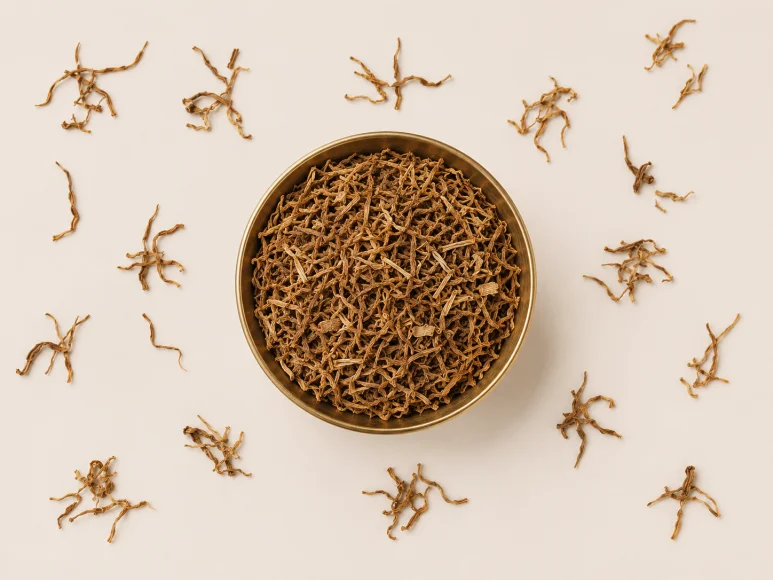
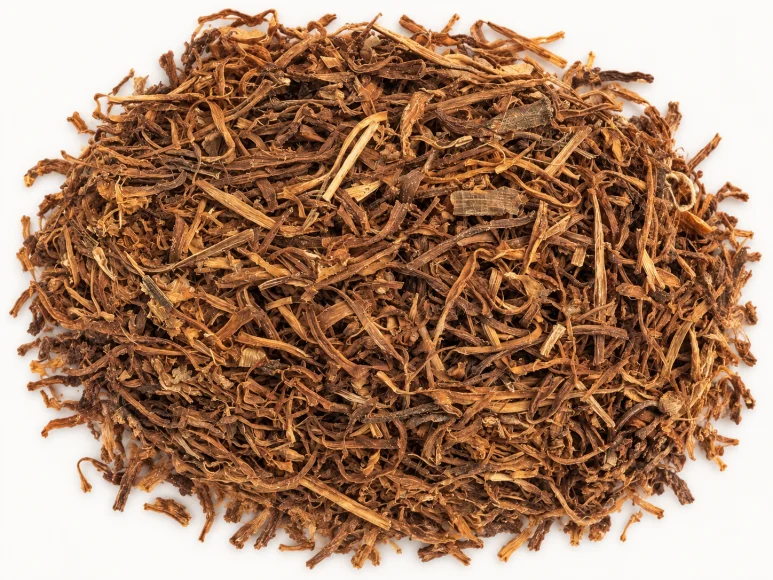
Dried bamboo shoot: the secret condiment of Naga cuisine
In Nagaland and across North-East India, fermented and dried bamboo shoot (locally called bastenga by the Lotha Nagas) is a staple of tribal cuisine. Harvested young and tender, the shoots are fermented and then dried into strips to concentrate their signature umami flavour and allow long-term storage without refrigeration. We source ours from Hornbill Food ("Hills Aroma"), a Nagaland house specialising in traditional North-East Indian products, so you can discover an ingredient still rare outside India.
Why choose dried strips?
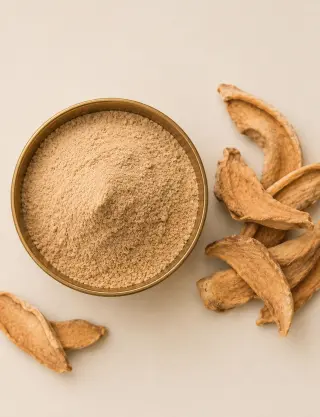
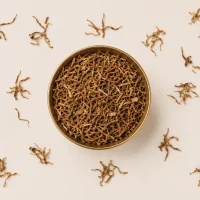
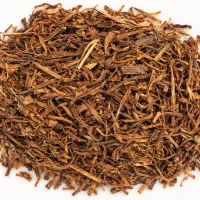
Drying after fermentation concentrates the umami flavour and subtle tanginess of the bamboo while offering far better shelf life than the fresh or brined version. Simply rehydrate the strips in warm water before cooking to restore their tender texture and authentic taste: exactly as Naga households do every day.
Culinary uses:
- Rehydrate the strips for 20-30 minutes in warm water before adding to your dish
- Essential to traditional Naga pork curry, slow-cooked with chilli and ginger
- Adds an umami, tangy note to chicken curries and fish dishes
- Deepens dals and slow-cooked dishes with the fermented depth typical of the North-East
- Perfect in a chilli and garlic chutney
- Pairs well with colocasia leaves, sticky rice and slow-cooked Naga dishes
Origin and quality:
Our dried bamboo shoot comes from Nagaland, in North-East India, prepared using traditional methods by Hornbill Food.
To explore the Naga tradition behind this rare ingredient, read our guide to Nagaland's dried bamboo shoot.
Storage:
To preserve all its flavour, store your dried bamboo shoot in a dry place, away from light and humidity, in its airtight packaging.
Rich in fibre, supports healthy digestion
Low in calories and fat
Traditionally fermented, a source of natural probiotics
Helps regulate cholesterol levels
Antioxidant properties
Strengthens the body's natural defenses
Promotes satiety, an ally for a balanced diet
Source of potassium and essential minerals
| Directly selected smallholder producers | No |
| Vegetarian | Yes |
| Origin | Nagaland, India |
| Quality | Premium |
| Type | Dried shredded shoot |
| Taste profile | Earthy, umami flavour, slightly tangy and fermented. Rehydrates in warm water before cooking to restore its full texture. |
| Possible traces of allergens | No major allergens identified. Packaged in a facility handling various food products. |
Learn more
Among the Naga peoples of northeast India, bamboo shoots hold a central place in daily food, used fresh, dried or fermented depending on the preparation and the season. Each Naga community has developed its own preservation methods, passed down through generations.
This multifaceted use of bamboo reflects the resource's abundance in the forests of northeast India, where many bamboo species grow naturally. Unlike most vegetables that are eaten fresh, bamboo shoots lend themselves particularly well to drying and fermenting, two techniques that make them available year-round.
A use that extends beyond the kitchen
Beyond its culinary role, bamboo shoot holds a place in Nagaland's traditional medicine: a decoction of shoots, taken with a spoonful of honey, has been used since at least the early 20th century to ease respiratory ailments.
Did you know?
In Nagaland, dried bamboo shoot goes by different names depending on the local language: "jati" or "longmeii" among different communities. This linguistic diversity reflects the mosaic of Naga peoples, each with its own language and culinary traditions.
Among the Lotha, one of the main Naga groups, fermented bamboo shoot comes in several distinct varieties depending on preparation method and duration, each with its own name: rhuju, rhujak, rhujon, rhuyen, rhujonphen. This diversity, specific to a single ethnic group, shows just how refined and precisely transmitted bamboo fermentation craft is, far beyond a simple preservation technique.
The very name of one of the best-known fermented preparations, "bastenga", tells the whole story of the process: it comes from "bas", meaning smelly, and "tenga", meaning sour. Far from being derogatory, the name fully owns the pungent character of this ferment, made from young shoots of Dendrocalamus hamiltonii and Bambusa tulda packed into bamboo baskets wrapped in banana leaves, where they ferment for at least two weeks before being used in cooking.
| Characteristic | Detail |
|---|---|
| Latin name | Bambusa tulda, one of the most widely used species |
| Botanical family | Poaceae (grasses), the same family as rice and wheat |
| Local name | Jati, longmeii depending on the Naga community |
| Part used | Young shoot, dried after harvest |
| Growing region | Nagaland, northeast India |
Bambusa tulda, sometimes called Bengal bamboo, is a fast-growing plant native to the Indian subcontinent, Indochina and southern China. Its young shoots, slightly bitter raw, must be processed, dried or fermented, before eating.
From forest to plate
- Harvested young, before the fibre hardens
- Cut into slices or strips to speed drying
- Sun-dried or dried near a hearth, depending on local tradition
- Kept this way for several months, rehydrated at cooking time
Did you know?
Nagaland does not stop at the bamboo shoot itself: its fermentation juice has preservative properties similar to vinegar, traditionally used to extend the shelf life of meat and fish in a humid climate where refrigeration long remained unavailable.
Dried bamboo shoot most often comes from the species Bambusa tulda, widespread across north eastern Indian forests, where it grows abundantly without needing intensive cultivation, a factor explaining its central and low cost place in traditional Naga food.
Fresh, bamboo shoot has a slightly bitter taste and a crunchy texture. Drying transforms this profile deeply: it concentrates the sugars and develops pronounced umami notes, quite different from the vegetal freshness of the raw shoot.
An umami that anchors dishes
Once rehydrated and cooked, dried bamboo shoot brings a savoury depth comparable to a reduced stock, while keeping a light underlying bitterness that balances the hearty, fermented-meat or dried-fish dishes typical of Naga cuisine.
Smoking, another traditional preservation method alongside drying and fermentation, gives bamboo shoot an extra note, woodier and deeper, clearly setting it apart from the fresh young shoots used elsewhere in Asia, which taste more neutral.
The fermentation of bamboo shoot owes its aromatic complexity to lactic acid bacteria, including Lactobacillus reuteri, which over the weeks develop a profile that is both slightly bitter and umami, far removed from the crisp, neutral texture of the fresh shoot. It is this transformation that gives Naga fermented bamboo its distinctive character, somewhere between sharp acidity and savoury depth.
In Naga cooking, dried bamboo shoot accompanies both meat dishes and vegetarian preparations, playing the role of a flavour enhancer as much as an ingredient in its own right.
In Nagaland cooking
- Simmered with fermented pork, an emblematic pairing of Naga cuisine
- Added to dried fish curries to deepen their flavour
- Incorporated into soups and vegetable stews
- Used in small amounts to lift a dish without overpowering it
How to use it at home
- Rehydrate the dried strips in warm water for 20 to 30 minutes before cooking
- Add them early in the cooking of a stew or soup so they release their flavour
- Pair them with smoked or fermented proteins for a result close to Naga tradition
Did you know?
Naga cuisine is known for its pronounced taste for smoked, fermented and umami flavours, an aromatic profile quite different from the more classic curries of the rest of India. Dried bamboo shoot plays a role there comparable to dashi stock in Japanese cooking: a depth enhancer rather than a dominant flavour.
A pillar of fermented Naga cuisine
Bamboo shoot often accompanies other iconic fermented Nagaland ingredients, such as axone (or akhuni), a strongly scented fermented soybean paste, or anishi, dried and fermented taro leaves. Together, these three pillars of Naga cuisine make deeply umami smoked pork curries, typical of the region and far removed from more common flavours elsewhere in India.
Smoked pork with bamboo shoot
Considered one of the most representative dishes of Naga cuisine, it combines long smoked pork pieces with dried bamboo shoot simmered together, each Naga tribe adding its own touch, extra chilli for some, fermented axone for others. The result remains a deeply umami stew, far removed from the more classic curries found elsewhere in India.
The dish that best illustrates this use remains "inziangsang", a fermented bamboo shoot soup eaten with steamed rice, often enriched with dried fish or pork, a year-round classic on Naga tables.
Bamboo shoot is valued for its richness in fibre and potassium, while remaining low in calories, a combination that makes it a nutritionally interesting ingredient beyond its flavour role.
What we know about its composition
- Potassium: around 530 mg per 100 g of fresh shoot, a notable level
- Fibre: around 2.2 g per 100 g of fresh shoot
- Protein: up to 7 g per 100 g of fresh shoot depending on species, a high level for a vegetable
- Vitamins: contains vitamin C as well as B1 and B3 vitamins
To note
These figures refer to the fresh shoot: drying naturally concentrates some nutrients by removing water, but no precise data is available specifically for the dried version. Raw shoot contains compounds that must be neutralised through cooking, drying or fermentation before eating, and it should never be eaten raw.
Quality criteria
- Colour: beige to light brown, even across the strips
- Texture: dry and firm, free of mould or softening
- Smell: mild umami aroma, no rancid note
Storage tips
- In an airtight container, away from light and moisture
- Shelf life: several months to 1 year when stored well
- Rehydrate only the amount needed for each use
Can bamboo shoot be eaten raw?
No, never. Raw shoot contains compounds that must be neutralised through cooking, drying or fermentation before eating. This is why it is always processed before being sold and cooked.
How do I rehydrate dried bamboo shoots?
Soak them in warm water for 20 to 30 minutes before adding them to your dish. Add them early in the cooking of a stew or soup so they fully release their umami flavour.
What is the difference between dried and fermented bamboo shoot?
Both are traditional preservation methods in Nagaland, but they give different flavour profiles: the dried version develops a concentrated umami character, while the fermented version gains a sharper acidity and more pronounced notes, also used as a natural preservative for other foods.
What pairs well with dried bamboo shoot in cooking?
It pairs particularly well with smoked or fermented proteins, simmered pork or dried fish, in the Naga tradition. It can also enrich soups and vegetable stews.
Why does Naga cuisine use so much bamboo?
Northeast India is home to many naturally growing bamboo species, an abundant resource that the Naga peoples learned to process through drying or fermentation to keep it available year-round, long before refrigeration existed.
What is rhuju, mentioned among Naga varieties of fermented bamboo shoot?
Rhuju is one of five varieties of fermented bamboo shoot prepared by the Lotha, a Naga group from Nagaland, each distinguished by its fermentation method and duration. This range of names reflects the refined craft developed around this ingredient within a single community.
What is axone, often paired with bamboo shoot in Naga cooking?
Axone, or akhuni, is a strongly and distinctively scented fermented soybean paste, another pillar of Naga cuisine alongside bamboo shoot and anishi (fermented taro leaves). Together, these ingredients form the distinctive umami identity of this north eastern Indian cuisine.
What is Naga smoked pork with bamboo shoot?
One of Nagaland's most iconic dishes: long smoked pork simmered with dried bamboo shoot, often spiced with chilli or fermented axone depending on the tribe. A deeply umami dish, representative of Naga cooking, which is smoky and fermented rather than spiced in the classic Indian sense.
-
Among the Naga peoples of northeast India, bamboo shoots hold a central place in daily food, used fresh, dried or fermented depending on the preparation and the season. Each Naga community has developed its own preservation methods, passed down through generations.
This multifaceted use of bamboo reflects the resource's abundance in the forests of northeast India, where many bamboo species grow naturally. Unlike most vegetables that are eaten fresh, bamboo shoots lend themselves particularly well to drying and fermenting, two techniques that make them available year-round.
A use that extends beyond the kitchen
Beyond its culinary role, bamboo shoot holds a place in Nagaland's traditional medicine: a decoction of shoots, taken with a spoonful of honey, has been used since at least the early 20th century to ease respiratory ailments.
Did you know?
In Nagaland, dried bamboo shoot goes by different names depending on the local language: "jati" or "longmeii" among different communities. This linguistic diversity reflects the mosaic of Naga peoples, each with its own language and culinary traditions.
Among the Lotha, one of the main Naga groups, fermented bamboo shoot comes in several distinct varieties depending on preparation method and duration, each with its own name: rhuju, rhujak, rhujon, rhuyen, rhujonphen. This diversity, specific to a single ethnic group, shows just how refined and precisely transmitted bamboo fermentation craft is, far beyond a simple preservation technique.
The very name of one of the best-known fermented preparations, "bastenga", tells the whole story of the process: it comes from "bas", meaning smelly, and "tenga", meaning sour. Far from being derogatory, the name fully owns the pungent character of this ferment, made from young shoots of Dendrocalamus hamiltonii and Bambusa tulda packed into bamboo baskets wrapped in banana leaves, where they ferment for at least two weeks before being used in cooking.
-
Characteristic Detail Latin name Bambusa tulda, one of the most widely used species Botanical family Poaceae (grasses), the same family as rice and wheat Local name Jati, longmeii depending on the Naga community Part used Young shoot, dried after harvest Growing region Nagaland, northeast India Bambusa tulda, sometimes called Bengal bamboo, is a fast-growing plant native to the Indian subcontinent, Indochina and southern China. Its young shoots, slightly bitter raw, must be processed, dried or fermented, before eating.
From forest to plate
- Harvested young, before the fibre hardens
- Cut into slices or strips to speed drying
- Sun-dried or dried near a hearth, depending on local tradition
- Kept this way for several months, rehydrated at cooking time
Did you know?
Nagaland does not stop at the bamboo shoot itself: its fermentation juice has preservative properties similar to vinegar, traditionally used to extend the shelf life of meat and fish in a humid climate where refrigeration long remained unavailable.
Dried bamboo shoot most often comes from the species Bambusa tulda, widespread across north eastern Indian forests, where it grows abundantly without needing intensive cultivation, a factor explaining its central and low cost place in traditional Naga food.
-
Fresh, bamboo shoot has a slightly bitter taste and a crunchy texture. Drying transforms this profile deeply: it concentrates the sugars and develops pronounced umami notes, quite different from the vegetal freshness of the raw shoot.
An umami that anchors dishes
Once rehydrated and cooked, dried bamboo shoot brings a savoury depth comparable to a reduced stock, while keeping a light underlying bitterness that balances the hearty, fermented-meat or dried-fish dishes typical of Naga cuisine.
Smoking, another traditional preservation method alongside drying and fermentation, gives bamboo shoot an extra note, woodier and deeper, clearly setting it apart from the fresh young shoots used elsewhere in Asia, which taste more neutral.
The fermentation of bamboo shoot owes its aromatic complexity to lactic acid bacteria, including Lactobacillus reuteri, which over the weeks develop a profile that is both slightly bitter and umami, far removed from the crisp, neutral texture of the fresh shoot. It is this transformation that gives Naga fermented bamboo its distinctive character, somewhere between sharp acidity and savoury depth.
-
In Naga cooking, dried bamboo shoot accompanies both meat dishes and vegetarian preparations, playing the role of a flavour enhancer as much as an ingredient in its own right.
In Nagaland cooking
- Simmered with fermented pork, an emblematic pairing of Naga cuisine
- Added to dried fish curries to deepen their flavour
- Incorporated into soups and vegetable stews
- Used in small amounts to lift a dish without overpowering it
How to use it at home
- Rehydrate the dried strips in warm water for 20 to 30 minutes before cooking
- Add them early in the cooking of a stew or soup so they release their flavour
- Pair them with smoked or fermented proteins for a result close to Naga tradition
Did you know?
Naga cuisine is known for its pronounced taste for smoked, fermented and umami flavours, an aromatic profile quite different from the more classic curries of the rest of India. Dried bamboo shoot plays a role there comparable to dashi stock in Japanese cooking: a depth enhancer rather than a dominant flavour.
A pillar of fermented Naga cuisine
Bamboo shoot often accompanies other iconic fermented Nagaland ingredients, such as axone (or akhuni), a strongly scented fermented soybean paste, or anishi, dried and fermented taro leaves. Together, these three pillars of Naga cuisine make deeply umami smoked pork curries, typical of the region and far removed from more common flavours elsewhere in India.
Smoked pork with bamboo shoot
Considered one of the most representative dishes of Naga cuisine, it combines long smoked pork pieces with dried bamboo shoot simmered together, each Naga tribe adding its own touch, extra chilli for some, fermented axone for others. The result remains a deeply umami stew, far removed from the more classic curries found elsewhere in India.
The dish that best illustrates this use remains "inziangsang", a fermented bamboo shoot soup eaten with steamed rice, often enriched with dried fish or pork, a year-round classic on Naga tables.
-
Bamboo shoot is valued for its richness in fibre and potassium, while remaining low in calories, a combination that makes it a nutritionally interesting ingredient beyond its flavour role.
What we know about its composition
- Potassium: around 530 mg per 100 g of fresh shoot, a notable level
- Fibre: around 2.2 g per 100 g of fresh shoot
- Protein: up to 7 g per 100 g of fresh shoot depending on species, a high level for a vegetable
- Vitamins: contains vitamin C as well as B1 and B3 vitamins
To note
These figures refer to the fresh shoot: drying naturally concentrates some nutrients by removing water, but no precise data is available specifically for the dried version. Raw shoot contains compounds that must be neutralised through cooking, drying or fermentation before eating, and it should never be eaten raw.
-
Quality criteria
- Colour: beige to light brown, even across the strips
- Texture: dry and firm, free of mould or softening
- Smell: mild umami aroma, no rancid note
Storage tips
- In an airtight container, away from light and moisture
- Shelf life: several months to 1 year when stored well
- Rehydrate only the amount needed for each use
-
Can bamboo shoot be eaten raw?
No, never. Raw shoot contains compounds that must be neutralised through cooking, drying or fermentation before eating. This is why it is always processed before being sold and cooked.
How do I rehydrate dried bamboo shoots?
Soak them in warm water for 20 to 30 minutes before adding them to your dish. Add them early in the cooking of a stew or soup so they fully release their umami flavour.
What is the difference between dried and fermented bamboo shoot?
Both are traditional preservation methods in Nagaland, but they give different flavour profiles: the dried version develops a concentrated umami character, while the fermented version gains a sharper acidity and more pronounced notes, also used as a natural preservative for other foods.
What pairs well with dried bamboo shoot in cooking?
It pairs particularly well with smoked or fermented proteins, simmered pork or dried fish, in the Naga tradition. It can also enrich soups and vegetable stews.
Why does Naga cuisine use so much bamboo?
Northeast India is home to many naturally growing bamboo species, an abundant resource that the Naga peoples learned to process through drying or fermentation to keep it available year-round, long before refrigeration existed.
What is rhuju, mentioned among Naga varieties of fermented bamboo shoot?
Rhuju is one of five varieties of fermented bamboo shoot prepared by the Lotha, a Naga group from Nagaland, each distinguished by its fermentation method and duration. This range of names reflects the refined craft developed around this ingredient within a single community.
What is axone, often paired with bamboo shoot in Naga cooking?
Axone, or akhuni, is a strongly and distinctively scented fermented soybean paste, another pillar of Naga cuisine alongside bamboo shoot and anishi (fermented taro leaves). Together, these ingredients form the distinctive umami identity of this north eastern Indian cuisine.
What is Naga smoked pork with bamboo shoot?
One of Nagaland's most iconic dishes: long smoked pork simmered with dried bamboo shoot, often spiced with chilli or fermented axone depending on the tribe. A deeply umami dish, representative of Naga cooking, which is smoky and fermented rather than spiced in the classic Indian sense.
Why choose Dried Bamboo Shoot from Nagaland from La Table Indienne?

Exceptional freshness and quality
Our spices are imported directly from India and packaged on demand to guarantee optimal freshness. Unlike spices sold in supermarkets that can sit on shelves for months, we ensure each spice retains its full flavor and aroma.
Authenticity and traceability
Each spice comes from specific regions in India renowned for their expertise. We work directly with local producers who grow their spices traditionally.
How to best use this spice?
To reveal all the aromas, we recommend lightly toasting whole spices in a dry pan before grinding them. Store them in a dry place away from light to preserve their freshness as long as possible.

Did you know?
Whole spices are much better than ground spices
Check out our blog article to discover why whole spices retain their aromas better.
Questions & Answers
Thank you! Your question has been sent. Mihika will answer soon and you will receive an email.
Discover also
Other products you might like