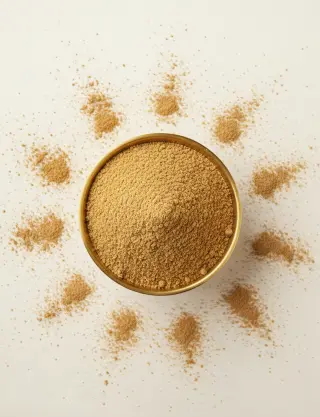
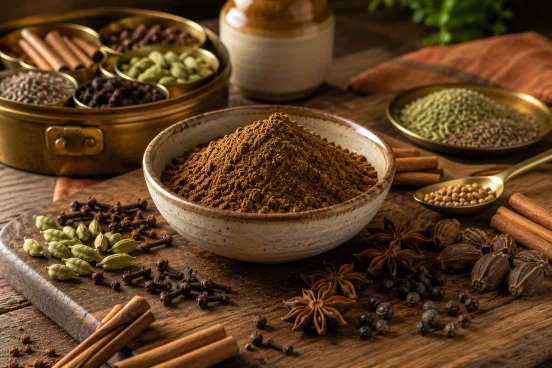
Garam masala is arguably the most iconic spice blend in Indian cooking, and also one of the most misunderstood outside India. Contrary to popular belief, it is not the Indian equivalent of supermarket "curry powder": it is a precise blend, often made at home, that varies from one family to the next. In this article, we explain what garam masala really is, why it is worth making your own, and how to do it step by step.
What is garam masala?
"Garam" means "hot" and "masala" means "spice blend". This does not refer to spiciness: "hot" here comes from Ayurvedic theory, in which certain spices generate body heat and stimulate digestion, as opposed to "cooling" spices such as fennel or mint. Garam masala is therefore a blend of "warming" spices, roasted and then ground, usually added right at the end of cooking to season a dish without burning its aromas.
Garam masala is often confused with curry powder, even though the two are built on very different logic. We cover this distinction in detail in our article on curry versus garam masala, and we go further into the curry powder myth in authentic Indian cooking.
Why make your own garam masala?
A store-bought garam masala that has sat on a shelf for months has already lost much of its essential oils by the time it reaches your kitchen. Making it yourself from whole spices changes the result completely: the aromas are brighter and more complex, and you can adjust proportions to your taste or to the dish you are cooking.
In India, every family has its own garam masala recipe, refined over generations. There is no single "correct" formula, only a personal balance of heat, sweetness and fragrance.
Making your own blend also means controlling the quality of the spices you use. Our whole spices come from smallholder farmers in India, chosen for freshness rather than price.
The spices behind a traditional garam masala
There are dozens of regional variations, but a classic North Indian garam masala usually relies on these whole spices:
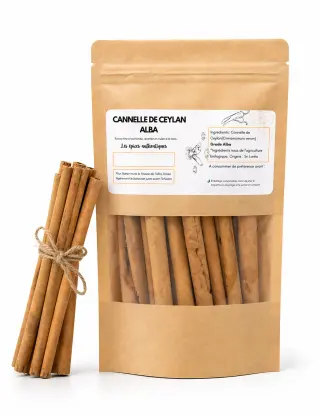
- Cinnamon: adds sweetness and roundness. We recommend Ceylon cinnamon, finer and less bitter than cassia.
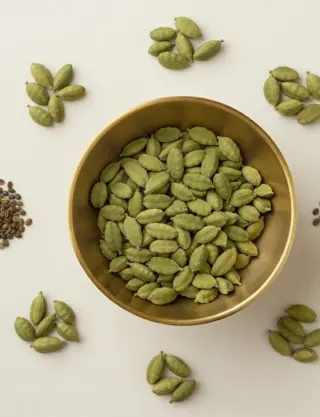
- Green cardamom: the most distinctive spice in the blend, floral with a hint of menthol. Find our green cardamom pods.
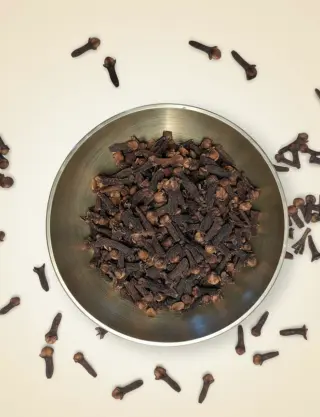
- Cloves: intense and slightly sharp, so use sparingly. Ours are available here.
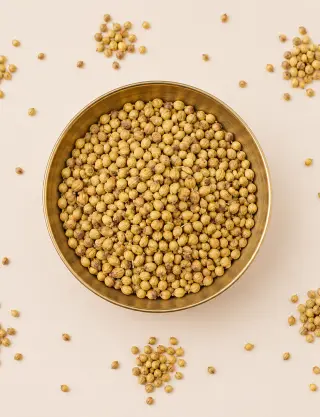
- Coriander seeds: add body and a subtle citrus note. See our coriander seeds.
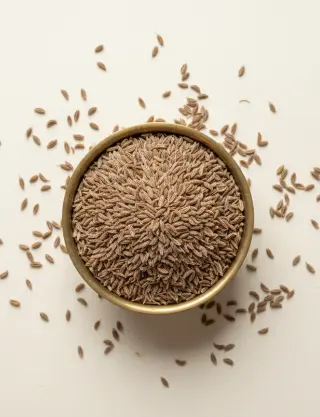
- Cumin seeds: warm and earthy, they anchor the blend. Our whole cumin seeds roast particularly well.
- Black pepper: adds heat and lifts every other aroma. Discover our black pepper.
- Nutmeg and Indian bay leaves (tej patta): used sparingly, they add depth and a woody note at the end of the blend.
The traditional method: dry roasting then grinding
The golden rule of homemade garam masala: always start from whole spices, never from ones already ground. Dry roasting (in a pan with no oil, over medium heat) releases the essential oils locked inside seeds and bark. Roast for 2 to 4 minutes, stirring constantly, until the spices darken slightly and release an intense aroma. We cover the full technique, spice by spice, in our guide on how to roast spices.
Once cooled, the spices are ground in a dedicated coffee grinder or a mortar for smaller batches. Some families prefer a quicker method, skipping the roasting step and grinding the raw whole spices directly: the result is fine but less aromatic. If you are short on time, it is an acceptable shortcut, but roasting remains what sets a real homemade garam masala apart from a plain ground blend.
Indicative proportions for a homemade blend
Here is a starting base for about 4 tablespoons of garam masala, to adjust to taste: 2 cinnamon sticks, 15 green cardamom pods, 8 cloves, 3 tablespoons of coriander seeds, 2 tablespoons of cumin seeds, 1 teaspoon of black peppercorns, half a nutmeg and 2 Indian bay leaves. Roast each spice separately (roasting times differ), let them cool, then grind everything together.
North versus South: recipes that vary
North Indian garam masala, closer to what we just described, leans on cinnamon, cardamom and cloves. In the South, blends often include more dried chilli, fennel seeds, or even dried curry leaves, giving a spicier result closer to a sambar powder than a classic garam masala. It is precisely this absence of a single recipe that explains why garam masala can never be reduced to a standardized "curry powder".
Storage
Store your homemade garam masala in an airtight jar, away from light and moisture, ideally in a traditional masala dabba. Used within two to three months, it keeps its full fragrance; beyond that, it gradually loses intensity without becoming unsafe to eat.
How to use garam masala
Unlike cumin or mustard seeds, garam masala is almost never used in a tadka at the start of cooking: its aromas are too volatile and would burn in hot oil. Instead, it is added right at the end of cooking, or just before serving, to preserve its fragrance. It pairs perfectly with a tadka made earlier with more robust spices like cumin or mustard seeds: read our article on the art of tadka to see how the two techniques complement each other in a single dish.
Table Indienne: whole spices for a homemade garam masala
We offer all the whole spices needed for an authentic garam masala, sourced from trusted growers for quality and freshness. If you are short on time, our ready-made garam masala is an excellent alternative, prepared following the same traditional roasting principles.