



There is one technique that transforms Indian cooking, and it requires no special equipment, no expensive ingredients, and no years of training. Thirty seconds in a dry, hot pan and your spices release a depth of aroma you never knew was there. Every Indian cook does it instinctively, often without thinking about it. That technique is dry-toasting — or bhunna in Hindi.
When you open a jar of pre-ground spice powder from a supermarket, you are getting a fraction of its potential. Whole spices keep their essential oils locked inside their intact cells. Dry heat breaks those cells open and releases everything at once. The result is striking — and once you have tasted freshly toasted and freshly ground cumin, it is very difficult to go back.
Toasting is the art of waking a spice up. What has been sleeping inside the seed for months awakens in seconds under dry heat.
Why toast spices?
The answer lies in simple chemistry. The essential oils responsible for a spice's aroma are trapped inside the cells of the seed or bark. Dry heat does two things at once: it physically breaks those cells open and triggers the Maillard reaction, the chemical process that creates new aromatic compounds when sugars and amino acids react under heat. These new compounds did not exist before toasting. This is why a toasted spice does not just taste "stronger" — it tastes different, with roasted, smoky, and nutty notes that the raw version does not have.
In practice, a toasted spice delivers two to three times more aromatic intensity than one simply ground cold. This is the difference between the flat spice powder in an industrial jar and the aromatic explosion of a good Indian restaurant. That difference does not come from the quality of the spices themselves — it comes entirely from how they are prepared.
Which spices to toast?
Not all spices respond the same way to dry heat. Some thrive when toasted, others deteriorate. Here is the practical guide:
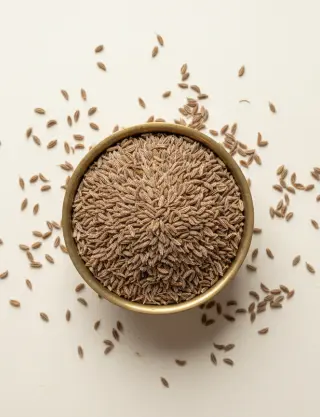
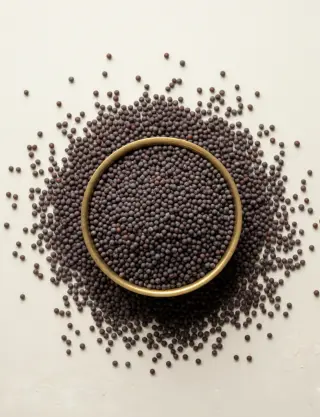
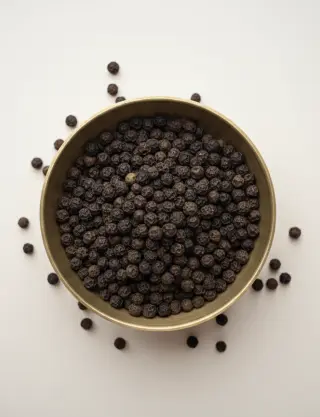
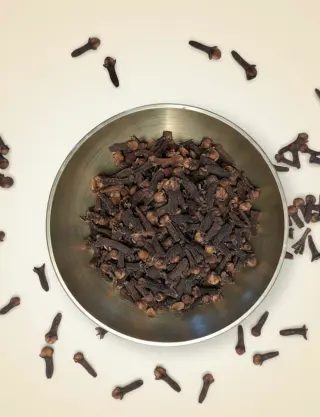
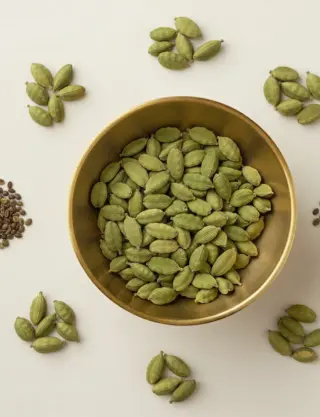
- Excellent candidates: cumin seeds, coriander seeds, mustard seeds, fennel seeds, fenugreek seeds, whole black pepper, cloves, green cardamom, cinnamon sticks. These robust spices can handle dry heat and see their aromatic profile transform positively.
- Avoid entirely: pre-ground spice powders (they burn in seconds before releasing anything useful), turmeric (turns bitter and sticks), dried herbs like dried coriander leaf or parsley (they lose all their aroma under dry heat).
- Use with care: sesame seeds (toast very fast), whole nutmeg (grate after, no direct toasting), whole dried chilli (can release irritating fumes — ensure good ventilation).
The technique, step by step
Dry-toasting is simple, but it requires total attention. Spices can go from perfect to burnt in ten seconds. Here is the method that works every time:
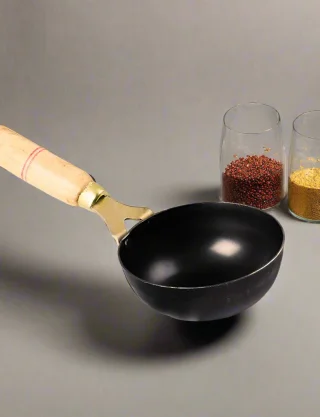
- Choose the right pan: a heavy-bottomed cast iron or stainless steel pan. Absolutely no non-stick coating — it distributes heat unevenly and spices toast in patches rather than uniformly. Cast iron holds heat and ensures even toasting.
- Medium heat, never high: place the dry pan over medium heat. Never on high — this is the first fatal error. Moderate heat allows essential oils to release gradually rather than burning instantly.
- Add spices in a single layer: tip the whole spices into the cold or barely warm pan. A single layer, not piled up. Start stirring or shaking the pan from the very beginning.
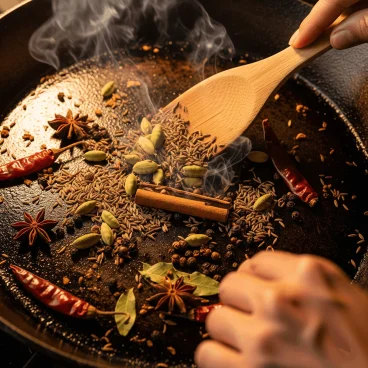
- Keep moving: do not take your eyes off the pan. Shake it regularly or stir with a wooden spoon. Constant movement ensures even toasting and prevents hot spots.
- Read the signs: trust your nose before your eyes. An intense, roasted fragrance begins to rise — that is the sign the essential oils are releasing. Visually, the spices take on a slightly darker shade. Cumin seeds begin to "dance" in the pan. At these signals, count five more seconds and remove.
- Transfer immediately: tip the spices onto a cold plate, into a mortar, or into a bowl. Never let spices cool in the pan — the residual heat of cast iron or stainless steel continues cooking and can push them from perfect to burnt.
Classic mistakes to avoid
Toasting is simple, but the same mistakes come up again and again for beginners. Knowing them in advance means you will avoid them:
- Heat too high: the number one error. With high heat, spices burn on the outside before the heat has time to penetrate inside. Result: a bitter taste and ruined aromas.
- Leaving the pan: even ten seconds is enough to burn cumin. Toasting demands your full attention. Prepare everything you need before you start.
- Mixing very different sizes: cumin seeds (small) will be ready long before cinnamon sticks or whole cardamom pods. Toast each spice separately if their sizes are very different.
- Toasting pre-ground spices: dry-toasting is for whole spices only. Powder burns instantly and develops bitterness. If your recipe calls for ground spice, toast the whole seeds first, then grind them.
- Cooling in the pan: the residual heat of cast iron or stainless steel continues cooking the spices for several minutes. Always transfer to a cold container immediately.
Toast then grind: the winning combination
Toasting makes its full sense when immediately followed by grinding. Toast cumin seeds, let them cool for two minutes, then crush them in a mortar or run them through a spice grinder: you get a powder of aromatic intensity that has absolutely nothing in common with industrial cumin powder. The essential oils released by toasting are still fresh, the aromatic compounds created by the Maillard reaction are at their peak.
This freshly ground powder keeps for two to three weeks in an airtight jar — but in Indian kitchens it is often prepared on demand, right before use. This is how a well-organised masala dabba works: whole spices ready to be toasted and ground on the fly.
Cumin toasted in a dry pan then ground on the spot — it is simply another world compared to supermarket cumin powder. This single habit will change how you cook.
Toasting and tadka: two techniques, two uses
It is important to distinguish dry-toasting from tadka, with which it is often confused. Both release the aromas of spices through heat, but the mechanics are different and so are the uses.
Dry-toasting (bhunna) uses only dry heat, no fat. It is ideal for preparing spice blends (masalas), for garnishing cold dishes like cumin raita, or for obtaining high-quality fresh spice powder. The aromas developed are deep, roasted, and dry.
Tadka cooks the spices in very hot oil or ghee. The aromas dissolve into the fat, which becomes a powerful flavour vehicle for the entire dish. Spices tempered in oil produce rounder, more enveloping notes carried by the fat. Tadka is used to start curries or to finish a dal with a drizzle of spiced oil.
In short: dry-toast for blends and fresh powders, tadka in oil for saucy dishes. The two techniques complement each other and are often used in the same recipe.
Table Indienne's whole spices
Toasting reveals the best of a spice — and what it can reveal depends directly on its quality and freshness. Dry, well-stored whole spices toast evenly and release their aromas fully. Old or poorly stored spices deliver little, even with the best technique in the world.
At Table Indienne, we source whole spices from certified suppliers, selected for their quality and freshness. Our cumin seeds, coriander seeds, black pepper, cloves, and green cardamom are available in the shop and online, ready to be toasted as soon as they arrive. The cast iron tadka pan is also the ideal tool for this technique: its thermal mass ensures perfectly even heat with no hot spots.