Small pan ideal for tadka: the Indian technique of tempering dals, chutneys and curries.
In the same style
This product goes well with the following products.

Sabai grass bread box
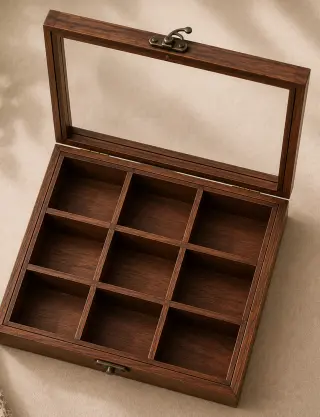
Spice box

Tadka pan
In Indian cuisine, the art of tadka, whether for dal (lentil soup), sambhar(south indian lentil soup), or any gravies and curries, is an ultimate element. Our iron pan comes pre-seasoned with 100% vegetable oil, making it ready for immediate use from day one.
Superior Heat Retention and Even Heating : Iron is an excellent conductor and retainer of heat. It heats up quickly and maintains a consistent, high temperature, which is essential for properly toasting whole spices like mustard seeds, cumin, and fenugreek. This even heat prevents spices from burning in one spot while remaining raw in another.
The broad tadka ladle, designed for a perfect slant, fits perfectly on your gas burner. It's not only convenient for holding but also ideal for expertly performing the tadka technique.
Note-Due to the handmade nature of our products, minor deviations from the images are to be anticipated and the weight will be + or - 100 grams.
To learn more, read our article: tadka, the art of spice tempering.
| Dimensions | 30 cm long · Ø 11 cm |
| Weight | 410 g |
| Origin | India |
| Composition | Wrought iron / cast iron |
Translated from French
Learn more
Tadka (from the Hindi तड़का) is a cooking technique that involves quickly heating whole spices in very hot fat (oil, ghee or coconut oil) for a few seconds. The spices crackle, release their fat-soluble essential oils and infuse the fat with their concentrated aromas. This fragrant mixture is then poured over the finished dish, creating an explosion of flavour.
Tadka can be made at the start of cooking (kaccha tadka) or poured over the dish as a finish (pakka tadka). It is the pakka tadka (poured over a steaming dal or sambar) that produces the sizzle and the fragrance so characteristic of Indian cooking.
Regional variations
| Region | Local name | Fat | Typical spices |
|---|---|---|---|
| North India | Tadka / Chaunk | Ghee | Cumin, asafoetida, dried chillies, ginger |
| South India | Thalithal / Oggarane | Coconut oil / sesame oil | Mustard seeds, curry leaves, urad dal |
| Bengal | Phoron / Bagar | Mustard oil | Panch phoron (5 seeds), green chillies |
| Gujarat | Vaghar | Peanut oil | Mustard seeds, cumin, sesame, asafoetida |
The tadka pan is a small wrought iron or cast iron vessel designed specifically for the tempering technique. Its shape and dimensions are made for one precise, efficient purpose.
Essential features
- Small size: 8 to 12 cm in diameter, just enough for 1 to 3 tablespoons of oil or ghee
- Thick base: in wrought iron or cast iron, it heats evenly and holds the high temperature needed
- Long handle: keeps your hand away from the cooking zone, because the spices crackle and spit scalding oil
- Flared rim: lets you pour the tadka over the dish easily without losing any
| Feature | Tadka pan | Small standard frying pan |
|---|---|---|
| Diameter | 8-12 cm | 16-20 cm |
| Material | Wrought iron / cast iron | Stainless steel / non-stick |
| Base thickness | 3-5 mm | 1-2 mm |
| Heat-up | Fast and even | Uneven, hot spots |
| Capacity | 1-3 tbsp | 100 ml + |
Why a small dedicated pan?
The small size is essential: with little oil in a large pan, the spices would burn before they infuse. The tadka pan concentrates the heat and fully immerses the spices in the fat, ensuring an even tempering in a few seconds.
Step by step
- Heat the fat: pour 1 to 3 tablespoons of ghee or oil into the tadka pan. Heat over a high flame until the oil is very hot (a cumin seed should sizzle immediately on contact).
- Add the spices in order: start with the spices that best withstand heat. The order is crucial: each spice has a different cooking time.
- Watch the visual cues: mustard seeds pop, cumin browns and releases its aroma, garlic turns golden, curry leaves crackle.
- Pour immediately: as soon as the spices have released their aromas (10 to 30 seconds at most), pour the tadka over the dish. Do not wait: a few seconds too many and the spices burn.
Order of adding the spices
| Order | Spice | Visual cue | Approximate time |
|---|---|---|---|
| 1 | Mustard seeds | Pop and jump | 5-8 seconds |
| 2 | Cumin seeds | Brown, nutty aroma | 5-8 seconds |
| 3 | Urad dal / chana dal | Turn lightly golden | 5-10 seconds |
| 4 | Dried chillies | Darken slightly | 3-5 seconds |
| 5 | Curry leaves | Crackle vigorously | 2-3 seconds |
| 6 | Asafoetida (hing) | Foams and puffs up | 1-2 seconds |
Safety
Tadka involves oil at a very high temperature. Hold the pan by the handle and keep your face and arms back when you pour in the spices. Mustard seeds and curry leaves spit scalding oil. Children must stay at a distance. Keep a lid within reach to cover the pan if the splashing gets too strong.
Tadka is used in hundreds of Indian recipes. Here are the most emblematic dishes where it plays a central role.
Dal tadka
The most famous dish: lentils (toor dal or moong dal) cooked until tender, then crowned with a ghee tadka of cumin, garlic, dried chillies and tomatoes. The sizzle of the tadka poured over the bubbling dal is one of the most emblematic sounds of Indian cooking.
Sambar
This lentil and vegetable stew from South India is finished with a coconut oil tadka of mustard seeds, curry leaves, urad dal and dried chillies. This tadka is what gives it its characteristic aroma.
Rasam
A spicy broth from Tamil Nadu made with tamarind, tomato and black pepper. The final tadka (mustard seeds, cumin, crushed pepper, garlic and curry leaves) turns this simple broth into an elixir of flavours.
Poha
Stir-fried flattened rice from Maharashtra, kicked off with a tadka of mustard seeds, peanuts, turmeric and curry leaves. A quick, fragrant breakfast.
| Dish | Typical tadka | Fat |
|---|---|---|
| Dal tadka | Cumin, garlic, dried chillies, tomatoes, asafoetida | Ghee |
| Sambar | Mustard seeds, curry leaves, urad dal, chillies | Coconut oil |
| Rasam | Mustard, cumin, pepper, garlic, curry leaves | Ghee |
| Poha | Mustard, peanuts, turmeric, curry leaves | Peanut oil |
| Raita | Cumin, mustard, chilli, coriander | Ghee |
Initial seasoning
A new iron tadka pan must be seasoned to create a natural non-stick surface and prevent rust.
- Wash the pan in hot soapy water (the only time soap is acceptable)
- Dry completely over a low flame
- Apply a thin layer of linseed or sunflower oil over the whole surface
- Heat over a medium-high flame until the oil smokes lightly
- Leave to cool, then wipe off the excess with kitchen paper
- Repeat 2 to 3 times for optimal seasoning
Preventing rust
- Never leave the pan soaking in water
- Always dry it immediately after washing: pass it over a low flame for 30 seconds
- Apply a thin layer of oil after each use
- Store in a dry place: avoid stacking it under other damp utensils
Daily cleaning
- Rinse in hot water immediately after use
- Scrub with a brush or a non-abrasive sponge, no soap
- For stubborn residue, pour hot water into the pan and bring to the boil, then scrub
- Dry over a low flame and oil lightly
Your pan gets better with time
The more you use your tadka pan, the stronger its seasoning becomes. After a few months of regular use, the surface will be perfectly black and smooth, as non-stick as a modern coating, but without the chemical substances. Do not worry if the first few uses stick slightly.
Can you make a tadka in a standard frying pan?
Technically yes, but the result will be inferior. A standard pan is too large: the oil spreads into too thin a layer and the spices burn instead of infusing. The tadka pan concentrates the heat and immerses the spices in the fat, which guarantees an even tempering. Its small size is an advantage, not a limitation.
Ghee or oil: which should you choose for tadka?
Ghee is the traditional choice of North India: it brings an incomparable nutty flavour and withstands high temperatures very well. Coconut oil is preferred in South India, mustard oil in Bengal, peanut oil in Gujarat. Each fat brings its own aromatic signature. To start with, ghee is the most versatile and the easiest to master.
Which spices should you use for a first tadka?
Start with the simplest and most universal tadka: cumin seeds in hot ghee. When the cumin browns and gives off its nutty aroma (5-8 seconds), pour it over your dal or vegetables. Once you have mastered this base, gradually add mustard seeds, dried chillies, garlic and curry leaves.
How do you avoid burning the spices?
Timing is the key. The oil should be hot but not smoking. Test it with a cumin seed: it should sizzle immediately without blackening. Add the spices in order of heat resistance (mustard first, asafoetida last). The whole tadka should not last more than 30 seconds. Pour as soon as the aromas are released. If in doubt, take the pan off the heat before adding the most delicate spices.
-
Tadka (from the Hindi तड़का) is a cooking technique that involves quickly heating whole spices in very hot fat (oil, ghee or coconut oil) for a few seconds. The spices crackle, release their fat-soluble essential oils and infuse the fat with their concentrated aromas. This fragrant mixture is then poured over the finished dish, creating an explosion of flavour.
Tadka can be made at the start of cooking (kaccha tadka) or poured over the dish as a finish (pakka tadka). It is the pakka tadka (poured over a steaming dal or sambar) that produces the sizzle and the fragrance so characteristic of Indian cooking.
Regional variations
Region Local name Fat Typical spices North India Tadka / Chaunk Ghee Cumin, asafoetida, dried chillies, ginger South India Thalithal / Oggarane Coconut oil / sesame oil Mustard seeds, curry leaves, urad dal Bengal Phoron / Bagar Mustard oil Panch phoron (5 seeds), green chillies Gujarat Vaghar Peanut oil Mustard seeds, cumin, sesame, asafoetida -
The tadka pan is a small wrought iron or cast iron vessel designed specifically for the tempering technique. Its shape and dimensions are made for one precise, efficient purpose.
Essential features
- Small size: 8 to 12 cm in diameter, just enough for 1 to 3 tablespoons of oil or ghee
- Thick base: in wrought iron or cast iron, it heats evenly and holds the high temperature needed
- Long handle: keeps your hand away from the cooking zone, because the spices crackle and spit scalding oil
- Flared rim: lets you pour the tadka over the dish easily without losing any
Feature Tadka pan Small standard frying pan Diameter 8-12 cm 16-20 cm Material Wrought iron / cast iron Stainless steel / non-stick Base thickness 3-5 mm 1-2 mm Heat-up Fast and even Uneven, hot spots Capacity 1-3 tbsp 100 ml + Why a small dedicated pan?
The small size is essential: with little oil in a large pan, the spices would burn before they infuse. The tadka pan concentrates the heat and fully immerses the spices in the fat, ensuring an even tempering in a few seconds.
-
Step by step
- Heat the fat: pour 1 to 3 tablespoons of ghee or oil into the tadka pan. Heat over a high flame until the oil is very hot (a cumin seed should sizzle immediately on contact).
- Add the spices in order: start with the spices that best withstand heat. The order is crucial: each spice has a different cooking time.
- Watch the visual cues: mustard seeds pop, cumin browns and releases its aroma, garlic turns golden, curry leaves crackle.
- Pour immediately: as soon as the spices have released their aromas (10 to 30 seconds at most), pour the tadka over the dish. Do not wait: a few seconds too many and the spices burn.
Order of adding the spices
Order Spice Visual cue Approximate time 1 Mustard seeds Pop and jump 5-8 seconds 2 Cumin seeds Brown, nutty aroma 5-8 seconds 3 Urad dal / chana dal Turn lightly golden 5-10 seconds 4 Dried chillies Darken slightly 3-5 seconds 5 Curry leaves Crackle vigorously 2-3 seconds 6 Asafoetida (hing) Foams and puffs up 1-2 seconds Safety
Tadka involves oil at a very high temperature. Hold the pan by the handle and keep your face and arms back when you pour in the spices. Mustard seeds and curry leaves spit scalding oil. Children must stay at a distance. Keep a lid within reach to cover the pan if the splashing gets too strong.
-
Tadka is used in hundreds of Indian recipes. Here are the most emblematic dishes where it plays a central role.
Dal tadka
The most famous dish: lentils (toor dal or moong dal) cooked until tender, then crowned with a ghee tadka of cumin, garlic, dried chillies and tomatoes. The sizzle of the tadka poured over the bubbling dal is one of the most emblematic sounds of Indian cooking.
Sambar
This lentil and vegetable stew from South India is finished with a coconut oil tadka of mustard seeds, curry leaves, urad dal and dried chillies. This tadka is what gives it its characteristic aroma.
Rasam
A spicy broth from Tamil Nadu made with tamarind, tomato and black pepper. The final tadka (mustard seeds, cumin, crushed pepper, garlic and curry leaves) turns this simple broth into an elixir of flavours.
Poha
Stir-fried flattened rice from Maharashtra, kicked off with a tadka of mustard seeds, peanuts, turmeric and curry leaves. A quick, fragrant breakfast.
Dish Typical tadka Fat Dal tadka Cumin, garlic, dried chillies, tomatoes, asafoetida Ghee Sambar Mustard seeds, curry leaves, urad dal, chillies Coconut oil Rasam Mustard, cumin, pepper, garlic, curry leaves Ghee Poha Mustard, peanuts, turmeric, curry leaves Peanut oil Raita Cumin, mustard, chilli, coriander Ghee -
Initial seasoning
A new iron tadka pan must be seasoned to create a natural non-stick surface and prevent rust.
- Wash the pan in hot soapy water (the only time soap is acceptable)
- Dry completely over a low flame
- Apply a thin layer of linseed or sunflower oil over the whole surface
- Heat over a medium-high flame until the oil smokes lightly
- Leave to cool, then wipe off the excess with kitchen paper
- Repeat 2 to 3 times for optimal seasoning
Preventing rust
- Never leave the pan soaking in water
- Always dry it immediately after washing: pass it over a low flame for 30 seconds
- Apply a thin layer of oil after each use
- Store in a dry place: avoid stacking it under other damp utensils
Daily cleaning
- Rinse in hot water immediately after use
- Scrub with a brush or a non-abrasive sponge, no soap
- For stubborn residue, pour hot water into the pan and bring to the boil, then scrub
- Dry over a low flame and oil lightly
Your pan gets better with time
The more you use your tadka pan, the stronger its seasoning becomes. After a few months of regular use, the surface will be perfectly black and smooth, as non-stick as a modern coating, but without the chemical substances. Do not worry if the first few uses stick slightly.
-
Can you make a tadka in a standard frying pan?
Technically yes, but the result will be inferior. A standard pan is too large: the oil spreads into too thin a layer and the spices burn instead of infusing. The tadka pan concentrates the heat and immerses the spices in the fat, which guarantees an even tempering. Its small size is an advantage, not a limitation.
Ghee or oil: which should you choose for tadka?
Ghee is the traditional choice of North India: it brings an incomparable nutty flavour and withstands high temperatures very well. Coconut oil is preferred in South India, mustard oil in Bengal, peanut oil in Gujarat. Each fat brings its own aromatic signature. To start with, ghee is the most versatile and the easiest to master.
Which spices should you use for a first tadka?
Start with the simplest and most universal tadka: cumin seeds in hot ghee. When the cumin browns and gives off its nutty aroma (5-8 seconds), pour it over your dal or vegetables. Once you have mastered this base, gradually add mustard seeds, dried chillies, garlic and curry leaves.
How do you avoid burning the spices?
Timing is the key. The oil should be hot but not smoking. Test it with a cumin seed: it should sizzle immediately without blackening. Add the spices in order of heat resistance (mustard first, asafoetida last). The whole tadka should not last more than 30 seconds. Pour as soon as the aromas are released. If in doubt, take the pan off the heat before adding the most delicate spices.
Questions & Answers
Thank you! Your question has been sent. Mihika will answer soon and you will receive an email.
You might also like
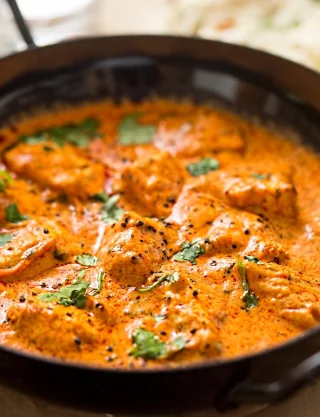
Butter chicken
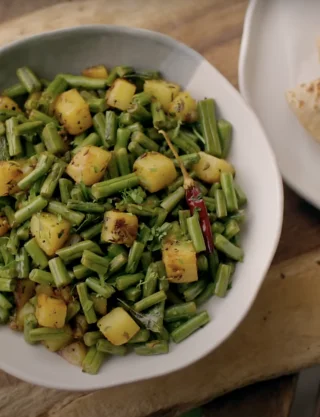
French beans and potatoes
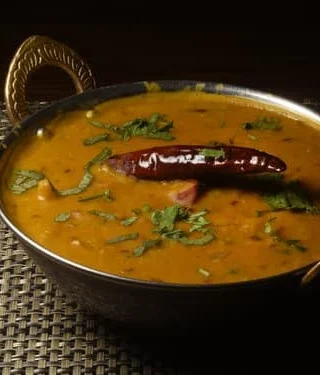
Dal Tadka