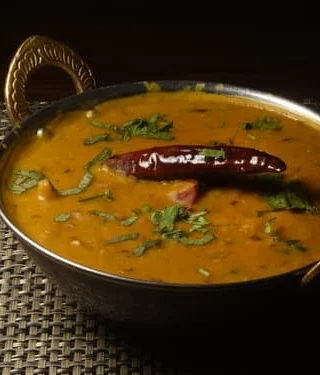



There is one dish that appears on nearly every Indian table, every day, in every region — from Kashmir to Kerala, from Gujarat to Bengal. That dish is dal. Simple, nourishing, affordable and deeply comforting, dal is the backbone of everyday Indian cooking. And of all its variations, dal tadka is perhaps the most beloved: perfectly cooked lentils crowned at the last moment with a sizzling spice tempering in hot ghee. That final gesture — pouring the smoking tadka over the lentils — is one of the most iconic and sensory moments in all of Indian cooking.
This recipe guides you step by step through making an authentic dal tadka at home, with the right spices and the technique that makes all the difference.
What is dal?
The word dal refers both to hulled split pulses (lentils, split chickpeas, split mung beans) and to the cooked dish prepared from them. In India, dal is not a minor side dish — it is often the main event of the meal, served alongside steamed rice or hot chapatis. India is the world's largest producer and consumer of pulses, and for good reason: dal is the primary source of protein for hundreds of millions of vegetarians across the country.
There are dozens of dal varieties, each with its own texture, flavour and preferred uses. Toor dal (pigeon peas) is the classic of North and Central India — earthy, slightly sweet, ideal for dal tadka. Masoor dal (red lentils) cooks in twenty minutes and develops a mild, slightly sweet flavour. Moong dal (split mung beans) is the lightest and most digestible, often given to children and those recovering from illness. Each of these lentils yields a slightly different dal tadka, but all are equally delicious.
In India, they say dal is what a mother cooks when she wants to feed the soul as much as the body. It is the dish of coming home.
What makes dal tadka special: the magic of the tadka
Lentils cooked in water with salt and turmeric are already good. But add a tadka — and everything changes. The tadka (also called chhonk, baghar or phodni depending on the region) is the technique of tempering whole spices in very hot fat. The aromatic compounds in spices are fat-soluble, meaning they release into hot ghee or oil with an intensity that water can never achieve.
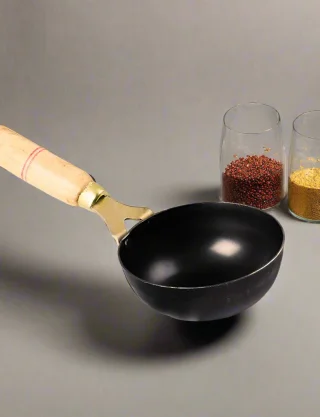
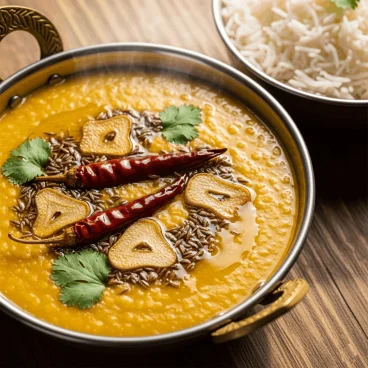
In dal tadka, this tempering is made separately in a small pan — ideally a traditional tadka pan in steel or cast iron — then poured all at once over the dal. The spectacular sizzle, the aromas rising in a cloud, the red-orange ghee spreading across the yellow lentils: this is one of the great sensory moments of Indian cooking. To learn more about this fundamental technique, read our article tadka: the Indian art of spice tempering.
Authentic dal tadka recipe (serves 4)
Here is the base recipe for dal tadka, as prepared in family kitchens across North India. Simple, direct, no shortcuts needed.
Ingredients
- For the dal: 200 g (1 cup) toor dal (or masoor dal or moong dal), 750 ml (3 cups) water, ½ tsp ground turmeric, 1 medium tomato diced, salt to taste.
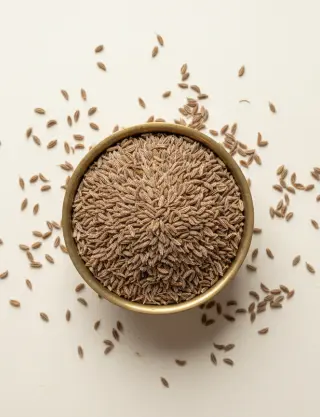
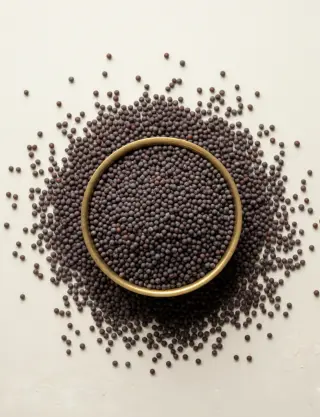
- For the tadka: 2 tbsp ghee (or vegetable oil), 1 tsp cumin seeds, ½ tsp mustard seeds, 2 dried red chillies, 2 garlic cloves thinly sliced, a pinch of asafoetida (hing), fresh coriander to garnish.
Step-by-step instructions
- Step 1 — Rinse the dal: place the lentils in a bowl, cover with cold water and rub them between your palms. Change the water 2 to 3 times until it runs nearly clear. This removes excess starch and prevents excessive foaming during cooking. If you have time, soak for 30 minutes — the cooking will be faster and more even.
- Step 2 — Cook the dal: put the drained lentils in a pot with 750 ml water, the turmeric and salt. Pressure cooker: seal the lid and cook for 3 whistles (about 10 minutes), then let the pressure release naturally. Regular pot: bring to a boil, skim any foam, reduce to low heat and cook covered for 35 to 45 minutes until the lentils are completely soft.
- Step 3 — Finish the dal: lightly mash the lentils with the back of a spoon or a whisk for a creamy but not completely smooth texture. Add the diced tomato, stir and simmer for another 8 to 10 minutes. If the dal is too thick, add hot water — the consistency should be loose, almost like a thick soup. Taste and adjust salt.
- Step 4 — The tadka: heat a small pan (ideally a tadka pan) over high heat. Add the ghee. When it is hot and shimmering, add the mustard seeds first — wait for them to pop and jump (5 seconds). Add the cumin seeds, which should sizzle and darken in 5 to 8 seconds. Add the dried red chillies, sliced garlic and a pinch of asafoetida. Stir: the garlic should colour lightly in 10 seconds maximum — no longer, or it will turn bitter.
- Step 5 — The grand finale: immediately pour the sizzling tadka over the hot dal in the pot or serving bowl. The sizzle and rising aromas are your signal that you have done it right. Garnish generously with freshly chopped coriander. Serve with basmati rice or hot chapatis.
Tips from an Indian kitchen
A few details that make the difference between a decent dal and an unforgettable one:
- Loose consistency is essential: in India, a thick, purée-like dal is considered a failed dal. It should be flowing, almost liquid — that is what allows the sauce to coat rice or be scooped up with chapati. Do not hesitate to thin it with hot water.
- Ghee makes all the difference: vegetable oil works, but ghee brings a richness and depth that oil cannot replicate. If you have never used it, dal tadka is the perfect recipe to discover it.
- Watch the garlic closely: burned garlic ruins a tadka. Over high heat in very hot ghee, it colours in 10 seconds and burns in 15. Have the hot dal in front of you before you even light the flame under the tadka pan.
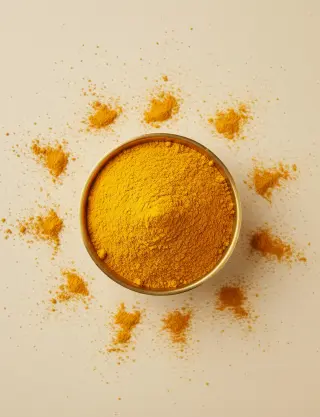
- Turmeric is non-negotiable: it gives the characteristic golden colour, a slight bitterness that balances the flavours, and its well-documented anti-inflammatory properties. Use a quality turmeric — the difference is visible and tastes.
Regional variations of dal tadka
Dal tadka is not a fixed recipe — every region, every family has its own version. Here are the main variations by lentil type:
- Toor dal tadka: the classic of North and Central India. Earthy, slightly sweet flavour, creamy texture. This is the reference version in this recipe — the one you find at dhabas (roadside restaurants) throughout North India.
- Masoor dal tadka: made with red lentils, this is the fastest version — 20 minutes without soaking. Milder, slightly sweet flavour, orange-pink colour before cooking and pale yellow after. Perfect for busy evenings.
- Moong dal tadka: the lightest and most digestible version. Split mung beans cook quickly, developing a delicate, mild flavour. This is often the first dal given to babies in India. For adults, it pairs beautifully with a light cumin and curry leaf tadka.
- Chana dal tadka: made with split chickpeas, this is the firmest and most nutty version. It requires longer soaking (2 to 3 hours) and longer cooking, but offers a unique texture and flavour — more robust, more satisfying.
At Table Indienne: everything you need for your dal tadka
For those who want to dive into dal tadka without buying seven different spice jars, Table Indienne offers a complete dal tadka kit: pre-measured spices, selected dal and a recipe card. It is the ideal entry point into Indian cooking for beginners — and a real time-saver for more experienced cooks.
To go further in mastering Indian techniques, our complete beginner's guide covers the essentials — which spices to have, the fundamental techniques and the first recipes to master.
Dal tadka is the perfect recipe for getting started with Indian cooking: few ingredients, tremendous flavour, and one technique — the tadka — that opens the door to an entire culinary universe.
Give it a try. The sizzle of the tadka poured over hot lentils is one of the most satisfying sounds in cooking. And the first bite of homemade dal tadka, with good basmati rice, will remind you why this simple dish has nourished India for millennia.