



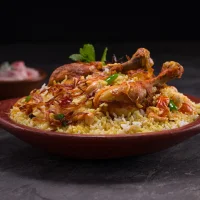
Chicken Biryani
 Made in Alsace
Discover our Lucknow Chicken Biryani kit, a royal biryani with floral notes of rose water, saffron and cardamom. The elegance and culinary refinement of a golden age.
Ready for shipping, delivery time 3-10 business days
Delivery from €4.80 at Mondial Relay pickup points.



Accompaniments
This dish will combine well with the following products.
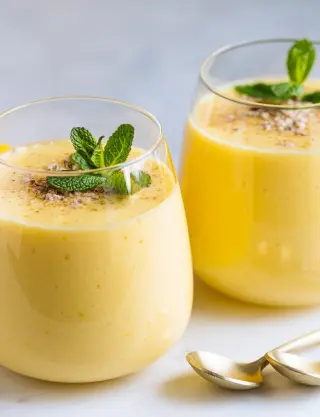
Mango Lassi
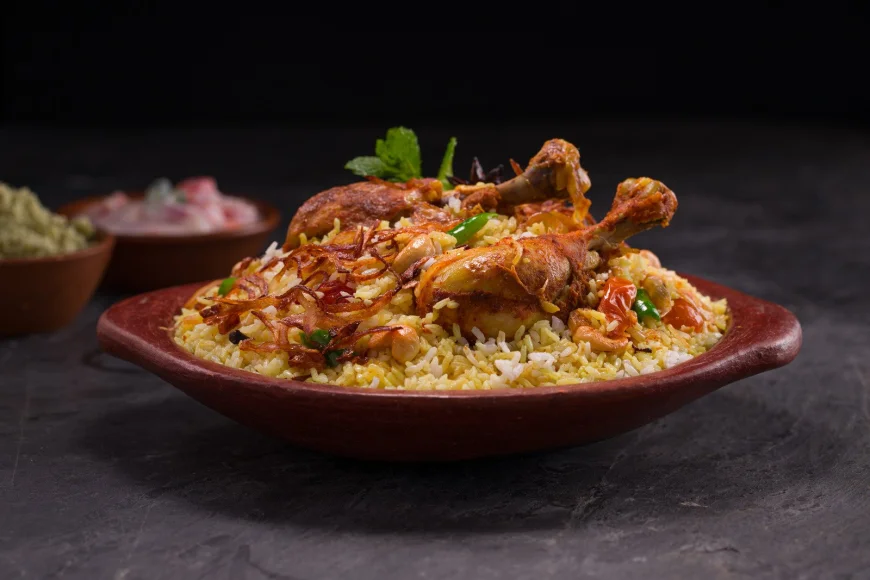
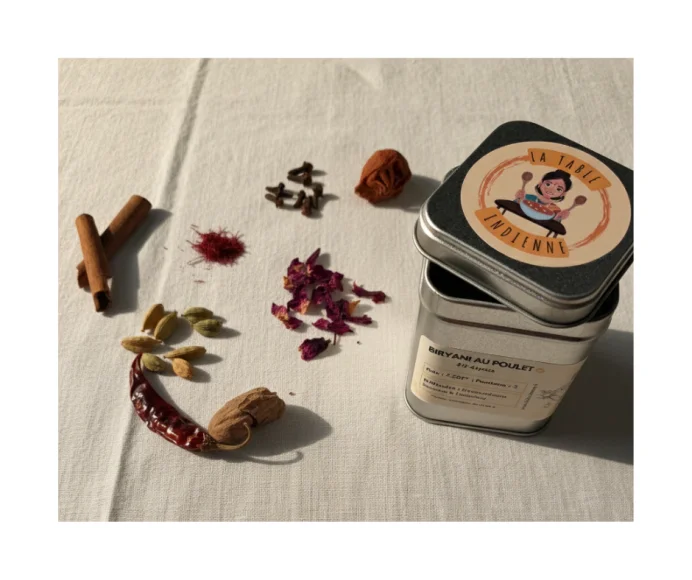
Chicken Biryani
A dish born in the heart of Nawabian elegance, where spices sing but never shout.
Lucknow biryani has its origins in the opulent royal kitchens of Awadh (now Lucknow) during the 18th and 19th centuries.Unlike its spicy cousin, Hyderabad biryani, the Lucknow version is a symbol of subtlety and aristocracy.
The emphasis is no longer on the intense heat of chilli, but on the delicate fragrance of spices. Key ingredients in Awadhi cuisine, such as mace, nutmeg and green cardamom, are used to create a sweet and haunting aroma.
Our Chicken Biryani Kit
We provide all the spices needed to prepare this dish in this kit, which is freshly hand-prepared to order.
You will need to source the necessary fresh ingredients from your local grocery store. We believe deeply in the importance of healthy, local food and therefore recommend that you buy these fresh products from a short-circuit store near you.
As some of these spices are not grown here in France, we import them directly from India via our carefully selected partners in respect of fair trade.
To learn more about where our spices come from, please feel free to send us an email. We will be happy to answer all your questions!
Your ready-to-cook kit contains the ingredients listed below as well as a simple and practical recipe sheet, so that this dish is the best you have ever tasted.
-
 Dried rose petals are a refined ingredient in Indian cuisine, particularly in desserts and beverages. They flavor gulkand (rose petal jam), lassis, falooda, and certain royal biryanis. Rose water and rose essence are derived from these petals and are essential in Mughlai desserts like kheer and ladoos.
Dried rose petals
-
 Yellow chili, sometimes called banana pepper or sweet pepper, is a milder variety used in some regional Indian cuisines. Its bright color adds visual appeal to dishes. It can be used fresh in stir-fries or pickles, providing gentle heat and a slightly fruity flavor.
Yellow Chilly
-
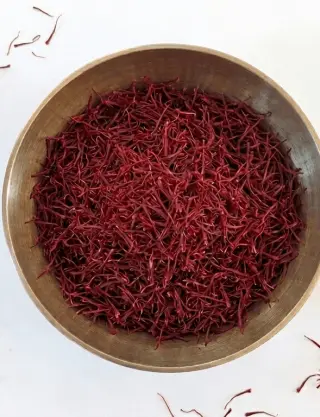
 Saffron, the most expensive spice in the world, has been cultivated in the Kashmir region of India for centuries. Its red-orange threads impart a golden color, floral aroma, and subtle taste to dishes. Saffron is used in royal biryanis, rice pulao, desserts like kheer and kulfi, and the famous Kashmiri kahwa (saffron tea).
Saffron
-
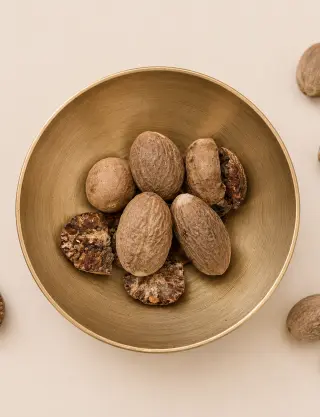
 Nutmeg is a precious spice with a warm, slightly sweet fragrance. In Indian cuisine, it is used sparingly in Mughlai dishes, biryanis, and certain sweet preparations. Freshly grated, it flavors garam masala, kormas, and kheer. Nutmeg is also used in Ayurvedic medicine for its digestive properties.
Nutmeg
-
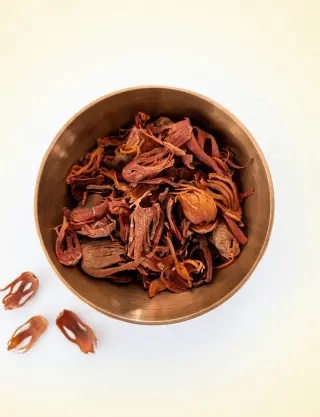
 Mace is the red covering that surrounds the nutmeg seed. This precious spice, native to the Banda Islands in Indonesia, is used in Mughlai and Kashmiri cuisines for its warm, slightly sweet notes. Mace is an ingredient in garam masala and flavors royal biryanis, kormas, and refined desserts.
Mace
-
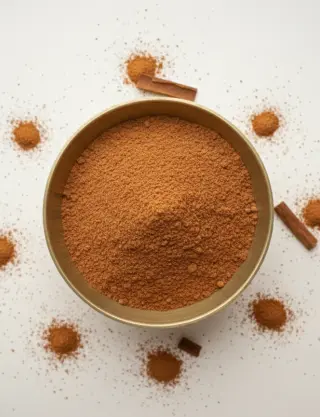
 Cinnamon is a spice obtained from the inner bark of several tree species from the genus Cinnamomum. Cinnamon is used mainly as an aromatic condiment and flavouring additive in a wide variety of cuisines, sweet and savoury dishes, biscuits, breakfast cereals, snack foods, bagels, teas, hot chocolate and traditional foods. The aroma and flavour of cinnamon derive from its essential oil and principal component, cinnamaldehyde, as well as numerous other constituents, including eugenol.
Cinnamon
-
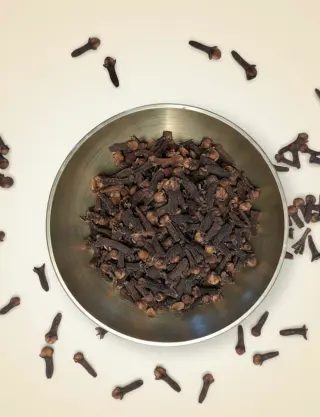
 Cloves are native to the Maluku Islands of Indonesia but have been a highly prized spice in India for centuries. Cloves have a strong, pungent, and sweet aroma. They are used whole in rice dishes and curries, and are also a key ingredient in many spice blends, including garam masala.
Cloves
-
 The lush, green mountains of Southern India are the native home of green cardamom. It is known as the "Queen of Spices." Cardamom has a sweet, floral, and highly aromatic flavor. Green pods are used whole in savory rice dishes like biryani and curries. The seeds are ground and used in desserts like kheer, and to flavor chai tea.
Cardamom
The recipe requires the following ingredients that are not included in your kit, we recommend buying these ingredients locally.
-
 Salt is an indispensable flavor enhancer in Indian cuisine. Besides regular table salt, India also uses kala namak (black salt), a volcanic salt with a distinctive sulfurous taste, used in chaat masala and refreshing drinks. Himalayan pink salt, mined from Pakistan, is also highly prized for its purity and minerals.
Salt
-
 Milk is a sacred and ubiquitous ingredient in Indian cuisine. It is the base of paneer, khoya (reduced milk), ghee, and many desserts like kheer, rasmalai, and gulab jamun. Indian chai is traditionally made by boiling tea in milk. In Hindu culture, milk is associated with purity and is offered during religious rituals.
Milk
-
 Chicken is the most consumed meat in India among non-vegetarians. It is prepared in multiple ways: grilled in tandoor (tandoori chicken, chicken tikka), in curry (butter chicken, chicken korma, chicken vindaloo), or fried (chicken pakora, chicken 65). Bone-in chicken is often preferred for curries as it adds more flavor to the sauce.
Chicken
-
 Yogurt (dahi) is a fundamental ingredient in Indian cuisine. It is used in marinades to tenderize meat, as a base for raita (cooling condiment), and to prepare lassi and chaas. Yogurt adds acidity and creaminess to curries and helps temper spices. Making homemade yogurt is a daily tradition in many Indian households.
Yogurt
-
 Oil is an essential base ingredient in Indian cooking. Different oils are used depending on the region: mustard oil in the north and east, coconut oil in the south, and peanut oil in the west. Oil serves as the base for tadka (tempering), a technique where spices are fried in hot oil to release their aromas before being added to dishes.
Oil
-
 Ginger is native to the rainforests of Maritime Southeast Asia and is one of the first spices to have been exported from Asia. It was introduced to India very early in its history and has been cultivated there for thousands of years, becoming an integral part of both its cuisine and traditional medicine, Ayurveda. Ginger is a foundational ingredient in Indian cooking. It is a key component of the aromatic paste known as ginger-garlic paste, which forms the flavor base for countless curries, dals, and marinades. It provides a pungent, spicy, and warm flavor. Fresh ginger is also grated or julienned and added to stir-fries, and is famously used to make a soothing and spicy chai (tea).
Ginger
-
 Garlic's origins are traced back to Central Asia, where it was first cultivated. It spread from there to the Middle East and then to South Asia, becoming a staple in Indian diets since ancient times. Garlic is another essential aromatic in Indian cooking. It is most often used alongside ginger and onion to create the rich, sautéed base (bhuna) for a wide array of dishes. It provides a savory, sharp, and slightly spicy flavor that is a must-have for meat dishes, vegetable curries, and dals. It is also a key ingredient in many Indian pickles and chutneys.
Garlic
-
 Onions in general are believed to have originated in Central Asia. They have been cultivated in India for a very long time, with red onions being one of the most common and popular varieties grown across the country. Red onions are a staple in almost every Indian kitchen. They form the base of the gravy for most curries and sauces, providing a sweet, savory, and aromatic foundation when sautéed. They are also used extensively in their raw form. Thinly sliced red onions are a common garnish and a key ingredient in fresh salads, raitas, and chutneys, where their crisp texture and sharp flavor provide a perfect contrast to rich and spicy foods.
Red onion
-
 Basmati rice is an aromatic long-grain rice variety that originated in the foothills of the Himalayas in India and Pakistan. Known for its nutty aroma and long, slender grains, it is the preferred rice for many Indian dishes, including biryani, pulao, and as an accompaniment to curries.
Basmati rice
-
 Chillies were brought to India by the Portuguese, but green chillies have since become a fundamental part of the cuisine. Used to provide fresh heat and a sharp flavor, green chillies are a primary source of spiciness in Indian cooking. They can be sliced and added directly to curries, sauces, or fried alongside other spices in a Tadka.
Green chili
Table Indienne est une jeune entreprise à votre écoute, contactez nous si vous pensez que nous devrions inclure ces ingrédients dans nos kits ou bien vous les proposer en option.
| Directly selected smallholder producers | Yes |
| Cooking time | 60 minutes |
| Level of difficulty | Intermediate |
| Spice level | Medium |
| Number of servings | 3 |
| Possible traces of allergens | Preparation contains : cashew nuts, milk |
| Made in Alsace | Yes |

Mihika's note
You have surely heard of Chicken Biryani, but did you know there is not just one Biryani in India? In fact, every state, every region and even every city has its own recipe, dictated by local ingredients. With this kit, I take you on a journey to discover one of the most prestigious versions: the one from the royal courts of Lucknow, renowned for its finesse, its subtle aromas and its elegance worthy of emperors! 👑✨
Mihika Mahakal
Founder, Table Indienne
Spices from this kit available on our website
These spices used in this kit are available individually on our website

Learn more
The word “biryani” comes from the Persian biryan, which suggests frying or roasting, and the Persian phrase birinj biryan means “fried rice”. A link with the Sanskrit bhṛjjati, which has the same meaning, is also suggested. The dish itself is harder to pin down than its name.
Biryani existed in the Mughal era, but was that where it was born? The historian Lizzie Collingham thinks it took shape in the court kitchens, under Akbar (1556 to 1605), by marrying Persian pilaf, yogurt-marinated meat and the Indian cooking of spiced rice. Others see it arriving from Persia before the Mughals, probably in the Deccan. K. T. Achaya believes pilau has an older use in India and may have been its precursor. Only the idea that Timur brought it is dismissed: there is no trace of it in Central Asia at that time.
The texts are full of surprises. The Ain-i-Akbari (1589 to 1596) does list two rice dishes, pilau and biryani, with their quantities, but it also calls a spiced mutton dish with no rice “biryani”. In 1641, the Portuguese priest Sebastião Manrique described “Mughal” biryanis and “Persian” pilaos sold during Shah Jahan’s journey to Lahore. Aurangzeb’s letters to his son mention biryani and khichdi. The earliest true recipe known, according to the historian Rana Safvi, dates from the reign of Bahadur Shah Zafar.
Lucknow, Awadhi gentleness
Lucknow biryani is tied to the royal kitchens of the nawabs of Awadh, in the eighteenth and nineteenth centuries. Unlike its spicier cousin from Hyderabad, it relies on subtlety: the emphasis is no longer on the heat of chilli but on the delicate fragrance of spices such as mace, nutmeg and green cardamom, which create a soft, haunting aroma. The spices sing here, but never shout.
Its signature is dum cooking: layers of rice and meat are sealed in a pot, traditionally with dough, and cook slowly in their own steam. A distinction is made between kacchi (“raw”) biryani, where everything cooks together in the sealed pot, and pakki (“cooked”) biryani, where the elements are cooked separately and then layered.
Famine, Imambara and legend
Dum cooking is often linked to the reign of Nawab Asaf-ud-Daula, in the late eighteenth century. To give work to the population during a severe famine, he had the Bara Imambara built, begun in 1780 and completed in 1784, and legend has it that slow steam cooking was born there. The relief project is well attested. The link with dum, however, is a local story that historians do not document: take it as a lovely legend, not as a fact.
Each to their own biryani
In Hyderabad, the Deccani Biryani Makers Association applied in 2009 for a geographical indication for “Hyderabadi Biryani”, but failed to document the historical origin of the dish. In Kolkata, biryani is served with a potato, which is attributed to Wajid Ali Shah in the 1850s. As for its current success, it is hard to dispute: biryani is the most-ordered dish on India’s online food delivery services.
Did you know?
Mace and nutmeg come from one and the same fruit. Nutmeg is the seed, mace is the red aril that wraps it, dried until it turns pale yellow or orange; its flavour, close to nutmeg, is more delicate. Both are native to the Banda Islands in Indonesia. In the thirteenth century, Arab traders knew where they came from but hid it from Europeans; in 1621 the Dutch East India Company seized the islands to monopolise production, and under the Treaty of Breda the British ceded the island of Run to the Dutch in exchange for New Amsterdam, today’s Manhattan.
| Characteristic | Detail |
|---|---|
| Style | Lucknow (Awadhi) biryani, slow-steamed (dum) |
| Region | Awadh, around Lucknow, in Uttar Pradesh |
| Key spices | Mace, nutmeg, green cardamom |
| Cooking | About 60 minutes, for 3 people |
| Ingredients to add | The fresh ingredients, to buy near you |
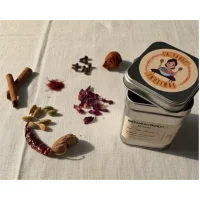
Our kit is prepared by hand, to order, to guarantee its freshness. It contains the spices (cardamom, cinnamon, clove, mace, nutmeg, yellow chilli, dried rose petals and a little saffron); you bring the chicken, basmati rice, yogurt, milk, onion, garlic, ginger, green chilli, oil and salt, preferably from a local shop. Some of the spices, which do not grow in France, are imported directly from India through our partners.
The fragrances of Awadhi cooking
| Spice | Role in the dish |
|---|---|
| Mace | The aril of the nutmeg, with a similar but more delicate fragrance |
| Nutmeg | A warm, woody roundness, used in small amounts |
| Green cardamom | The fresh, floral fragrance that lightens the whole |
Lucknow biryani is a dish of nuances rather than heat. Fragrance dominates, soft, round and slightly sweet, carried by mace, nutmeg and cardamom, with a discreet heat. It is the opposite of a biryani that blazes in the mouth: you taste it slowly, looking for the spices one after another.
The rice, scented by the steam, stays long and separate, soaked in the sauce of the meat cooking beneath.
Preparing the kit
- Allow about 60 minutes, for 3 people
- For the fresh ingredients to buy, the quantities and the precise method, follow the instructions in the kit
- Serve piping hot, straight from the pot
Getting the dum cooking right
- Seal the pot tightly: traditionally with a strip of dough, otherwise with a well-fitting lid
- Cook over very low heat without lifting the lid: the steam is the secret of the dish
- Let it rest for a few minutes before opening, then stir gently so as not to break the grains
Taking it further
- The saffron from the kit, dissolved in a little warm milk, for colour and fragrance
- Kolkata style: add potatoes
What to serve it with
Biryani is traditionally served with raita, a salad, fried or curried aubergine, eggs in sauce (ande ka salan) or chillies in sauce (mirchi ka salan). For a change of shore, also try our shrimp biryani, inspired by the coast, or the vegetable pulao, its simpler cousin.
Storage advice
- Keep the pouch closed, somewhere dry, away from heat, light and humidity
- The kit is prepared to order: use it without leaving it too long, following the instructions on the pouch
- Once the pouch is open, reseal it well to preserve the fragrance of the spices
Allergens and precautions
This preparation contains cashew nuts and milk. If you have any allergies, check the label on the pouch and let us know your allergens when you place your order. Nutmeg is used in small amounts: in large doses, it is toxic.
What is the difference between biryani and pulao?
Both belong to the same family of rice dishes. Pulao is simpler, often a side dish cooked in one go. Biryani, richer in sauce and spices, is the main dish, with layers of rice and meat.
What does dum cooking mean?
It is slow steam cooking: the pot is sealed tightly and the dish cooks slowly in its own steam. It is the signature of Lucknow biryani.
What is the difference between Lucknow and Hyderabad biryani?
Lucknow biryani is known for its subtlety, with fragrant spices such as mace, nutmeg and cardamom. Hyderabad biryani is spicier and hotter.
Where does biryani come from?
Its origin is debated: the Mughal court kitchens, an arrival from Persia before the Mughals, or the evolution of a pilau older in India. Historians do not settle it.
Does this kit contain allergens?
Yes: the preparation contains cashew nuts and milk. Check the label on the pouch and tell us your allergens when you place your order.
What do you serve with biryani?
Traditionally a raita (yogurt), a salad, aubergine or eggs in sauce. The raita cools and balances the spices.
-
The word “biryani” comes from the Persian biryan, which suggests frying or roasting, and the Persian phrase birinj biryan means “fried rice”. A link with the Sanskrit bhṛjjati, which has the same meaning, is also suggested. The dish itself is harder to pin down than its name.
Biryani existed in the Mughal era, but was that where it was born? The historian Lizzie Collingham thinks it took shape in the court kitchens, under Akbar (1556 to 1605), by marrying Persian pilaf, yogurt-marinated meat and the Indian cooking of spiced rice. Others see it arriving from Persia before the Mughals, probably in the Deccan. K. T. Achaya believes pilau has an older use in India and may have been its precursor. Only the idea that Timur brought it is dismissed: there is no trace of it in Central Asia at that time.
The texts are full of surprises. The Ain-i-Akbari (1589 to 1596) does list two rice dishes, pilau and biryani, with their quantities, but it also calls a spiced mutton dish with no rice “biryani”. In 1641, the Portuguese priest Sebastião Manrique described “Mughal” biryanis and “Persian” pilaos sold during Shah Jahan’s journey to Lahore. Aurangzeb’s letters to his son mention biryani and khichdi. The earliest true recipe known, according to the historian Rana Safvi, dates from the reign of Bahadur Shah Zafar.
Lucknow, Awadhi gentleness
Lucknow biryani is tied to the royal kitchens of the nawabs of Awadh, in the eighteenth and nineteenth centuries. Unlike its spicier cousin from Hyderabad, it relies on subtlety: the emphasis is no longer on the heat of chilli but on the delicate fragrance of spices such as mace, nutmeg and green cardamom, which create a soft, haunting aroma. The spices sing here, but never shout.
Its signature is dum cooking: layers of rice and meat are sealed in a pot, traditionally with dough, and cook slowly in their own steam. A distinction is made between kacchi (“raw”) biryani, where everything cooks together in the sealed pot, and pakki (“cooked”) biryani, where the elements are cooked separately and then layered.
Famine, Imambara and legend
Dum cooking is often linked to the reign of Nawab Asaf-ud-Daula, in the late eighteenth century. To give work to the population during a severe famine, he had the Bara Imambara built, begun in 1780 and completed in 1784, and legend has it that slow steam cooking was born there. The relief project is well attested. The link with dum, however, is a local story that historians do not document: take it as a lovely legend, not as a fact.
Each to their own biryani
In Hyderabad, the Deccani Biryani Makers Association applied in 2009 for a geographical indication for “Hyderabadi Biryani”, but failed to document the historical origin of the dish. In Kolkata, biryani is served with a potato, which is attributed to Wajid Ali Shah in the 1850s. As for its current success, it is hard to dispute: biryani is the most-ordered dish on India’s online food delivery services.
Did you know?
Mace and nutmeg come from one and the same fruit. Nutmeg is the seed, mace is the red aril that wraps it, dried until it turns pale yellow or orange; its flavour, close to nutmeg, is more delicate. Both are native to the Banda Islands in Indonesia. In the thirteenth century, Arab traders knew where they came from but hid it from Europeans; in 1621 the Dutch East India Company seized the islands to monopolise production, and under the Treaty of Breda the British ceded the island of Run to the Dutch in exchange for New Amsterdam, today’s Manhattan.
-
Characteristic Detail Style Lucknow (Awadhi) biryani, slow-steamed (dum) Region Awadh, around Lucknow, in Uttar Pradesh Key spices Mace, nutmeg, green cardamom Cooking About 60 minutes, for 3 people Ingredients to add The fresh ingredients, to buy near you Our kit is prepared by hand, to order, to guarantee its freshness. It contains the spices (cardamom, cinnamon, clove, mace, nutmeg, yellow chilli, dried rose petals and a little saffron); you bring the chicken, basmati rice, yogurt, milk, onion, garlic, ginger, green chilli, oil and salt, preferably from a local shop. Some of the spices, which do not grow in France, are imported directly from India through our partners.
The fragrances of Awadhi cooking
Spice Role in the dish Mace The aril of the nutmeg, with a similar but more delicate fragrance Nutmeg A warm, woody roundness, used in small amounts Green cardamom The fresh, floral fragrance that lightens the whole -
Lucknow biryani is a dish of nuances rather than heat. Fragrance dominates, soft, round and slightly sweet, carried by mace, nutmeg and cardamom, with a discreet heat. It is the opposite of a biryani that blazes in the mouth: you taste it slowly, looking for the spices one after another.
The rice, scented by the steam, stays long and separate, soaked in the sauce of the meat cooking beneath.
-
Preparing the kit
- Allow about 60 minutes, for 3 people
- For the fresh ingredients to buy, the quantities and the precise method, follow the instructions in the kit
- Serve piping hot, straight from the pot
Getting the dum cooking right
- Seal the pot tightly: traditionally with a strip of dough, otherwise with a well-fitting lid
- Cook over very low heat without lifting the lid: the steam is the secret of the dish
- Let it rest for a few minutes before opening, then stir gently so as not to break the grains
Taking it further
- The saffron from the kit, dissolved in a little warm milk, for colour and fragrance
- Kolkata style: add potatoes
What to serve it with
Biryani is traditionally served with raita, a salad, fried or curried aubergine, eggs in sauce (ande ka salan) or chillies in sauce (mirchi ka salan). For a change of shore, also try our shrimp biryani, inspired by the coast, or the vegetable pulao, its simpler cousin.
-
Storage advice
- Keep the pouch closed, somewhere dry, away from heat, light and humidity
- The kit is prepared to order: use it without leaving it too long, following the instructions on the pouch
- Once the pouch is open, reseal it well to preserve the fragrance of the spices
Allergens and precautions
This preparation contains cashew nuts and milk. If you have any allergies, check the label on the pouch and let us know your allergens when you place your order. Nutmeg is used in small amounts: in large doses, it is toxic.
-
What is the difference between biryani and pulao?
Both belong to the same family of rice dishes. Pulao is simpler, often a side dish cooked in one go. Biryani, richer in sauce and spices, is the main dish, with layers of rice and meat.
What does dum cooking mean?
It is slow steam cooking: the pot is sealed tightly and the dish cooks slowly in its own steam. It is the signature of Lucknow biryani.
What is the difference between Lucknow and Hyderabad biryani?
Lucknow biryani is known for its subtlety, with fragrant spices such as mace, nutmeg and cardamom. Hyderabad biryani is spicier and hotter.
Where does biryani come from?
Its origin is debated: the Mughal court kitchens, an arrival from Persia before the Mughals, or the evolution of a pilau older in India. Historians do not settle it.
Does this kit contain allergens?
Yes: the preparation contains cashew nuts and milk. Check the label on the pouch and tell us your allergens when you place your order.
What do you serve with biryani?
Traditionally a raita (yogurt), a salad, aubergine or eggs in sauce. The raita cools and balances the spices.
Why we created a Chicken Biryani kit?

Anti-waste
Have you always wanted to cook Indian dishes, but never knew where to buy all the spices, or what to do if the result is not good? We are here to answer this problem with our kit! No need to buy spices that you will never use again, we only put the necessary amount of spices in your kit.
Authentic flavors
Our spices come directly from India. They are carefully selected to give you an authentic flavor.
Step-by-step recipe and instructions
We know well that Indian recipes can be difficult to understand. We provide you with step-by-step instructions and recipes to ensure you prepare the best possible version of the dish every time!

Demystifying the facts
Do Indians use the famous "curry"?
Check out our blog article to discover why curry doesn't really exist in India.
Why buy all these spices when I can just use curry?
Check out our blog article to discover the wide variety of spices used in India.
Questions & Answers
Thank you! Your question has been sent. Mihika will answer soon and you will receive an email.

Chicken Biryani
Products related to this article
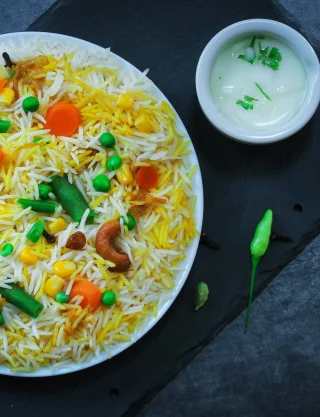
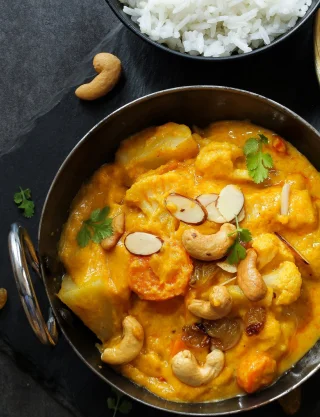
Vegtable pulao
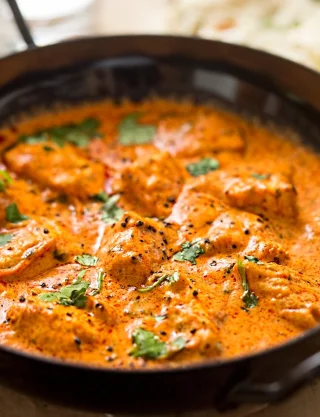
Butter chicken
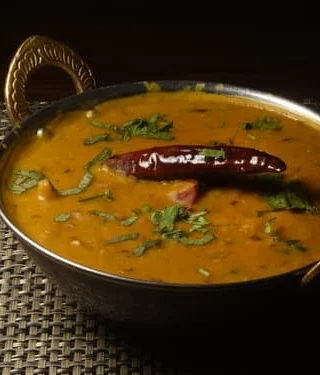
Dal Tadka
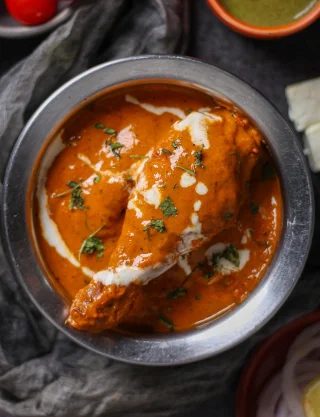
Chicken Korma