


A Radical Vision in the Clouds
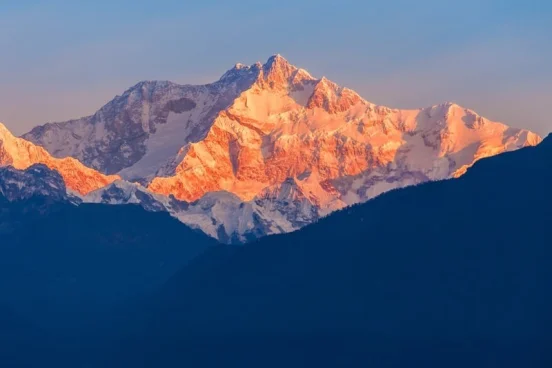
I recently stumbled upon a fact that stopped me in my tracks: there is a tiny state in the Himalayas that did something the rest of the world thought was impossible.
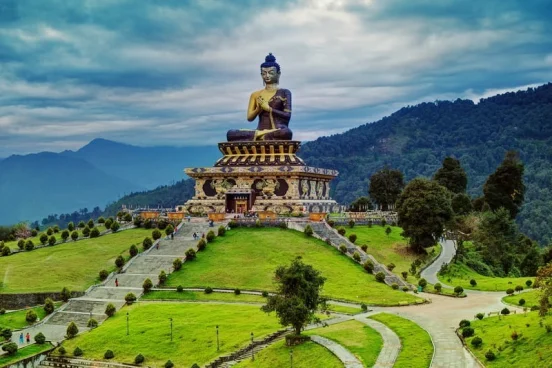
While most of the planet was doubling down on industrial chemicals and high-tech pesticides, Sikkim—a place of misty peaks and ancient monasteries—decided to stop. Completely.
In 2016, they became the world's first 100% organic state. But as I looked closer, I realized this isn't just a "fun fact." It's a story of a 13-year gamble that changed everything.
Imagine it's 2003. You're a farmer in a remote mountain village. The government suddenly announces that the chemical fertilizers you've relied on for decades are being phased out. No more shortcuts. No more "easy" yields.
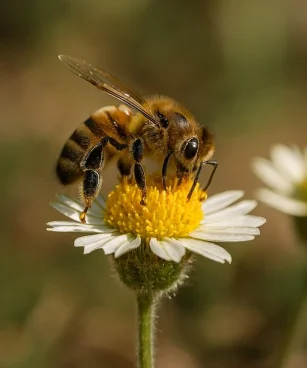
At the time, people called it "agricultural suicide." But the vision was clear: the chemicals were killing the bees, polluting the mountain springs, and stripping the soil of its soul. Sikkim's leaders didn't just want to grow food; they wanted to protect the "Himalayan Mother."
The "Detox" Years
This wasn't an overnight flick of a switch. It was a long, difficult "detox."
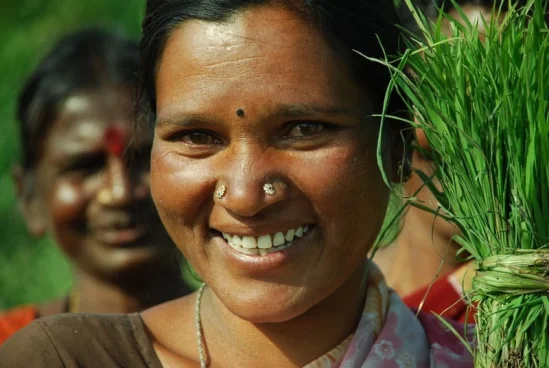
For over a decade, the state systematically reduced subsidies on chemicals. They didn't just leave the farmers hanging, though. They turned the entire state into a classroom.
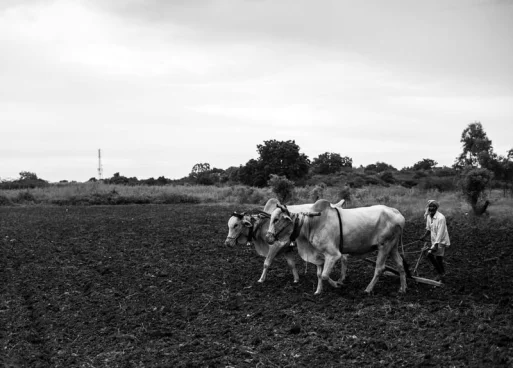
Thousands of farmers learned the science of vermicompost (worm-powered fertilizer) and discovered that fermented cow urine and neem leaves could fight off pests better than any lab-made toxin.
They even passed laws. If you were caught selling chemical pesticides in Sikkim, you could face a heavy fine or even jail time. They were that serious.
The Heroes of the Story: The Crops
When you talk about Sikkim, you have to talk about its "celebrity" exports. Because they went organic, their produce isn't just food—it's a luxury.
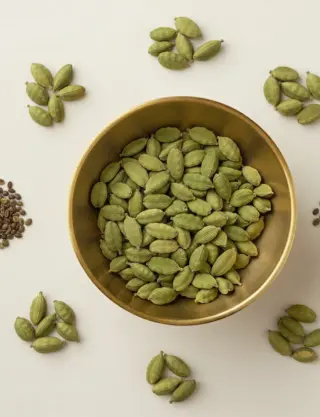
- Large Cardamom: These smoky, dark pods, close to our green cardamom, are the pride of the state. Because they are organic, they fetch a premium price in international markets that the standard stuff can't touch.
- The "Dalle Khursani": They grow one of the world's spiciest chillies. It's tiny, round, and bright red. In an organic ecosystem, these chillies develop a flavor profile that's incredibly intense because the soil is so nutrient-dense.
The "Oscar" of Policies and Global Fame
What really put Sikkim on the map wasn't just the 2016 declaration, but what happened two years later in Rome.
In 2018, the United Nations (FAO) awarded Sikkim the Future Policy Gold Award. In the policy world, this is essentially the "Oscar for Best Policy."
Sikkim didn't just win; it beat out 51 other nominated policies from 25 countries. The UN recognized that this wasn't just about farming—it was about health, education, and sustainable tourism all working together.
The Credentials: More Than Just a Title
To make this happen, the state had to back up its claims with rigorous standards. Here are the "badges of honor" that Sikkim won:
- World Book of Records (London): They officially recognized Sikkim as the "World's First Organic State." This wasn't just for the farming, but for the governance that made it possible.
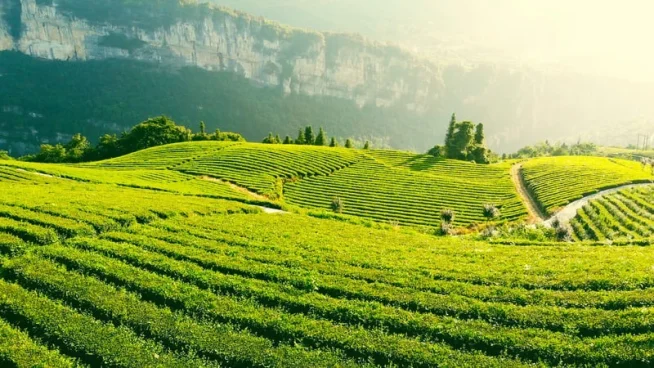
- SSOCA (Sikkim State Organic Certification Agency): This state-run specialized body ensures that every hectare of the 76,000 hectares of farmland meets the strict NPOP (National Programme for Organic Production) standards.
- International Compliance: The state worked with agencies like OneCert to ensure their ginger and cardamom meet global organic standards (like those in the US and EU).
It Wasn't Always Easy
The road wasn't all wildflowers and sunshine. In the beginning, yields actually dropped. Some farmers struggled to adapt.
But here is the payoff: Today, the soil in Sikkim is "alive" again. It holds more water, which helps during dry seasons. The bees have returned in droves, which means better pollination.
And the best part? Organic Tourism. People travel from across the globe just to stay in a Sikkimese homestay and eat a meal where every single ingredient was pulled from the earth just meters away.
The "Sikkim Effect": Who's Next?
Sikkim's success proved that organic farming isn't just a hobby—it's a viable economy. Now, other Indian states are racing to catch up, each bringing their own local flavor to the movement.
- Uttarakhand: The second state to pass an "Organic Agriculture Act"; large areas are already chemical-free.
- Himachal Pradesh: Implementing "Natural Farming" specifically to revitalize soil in its famous apple orchards.
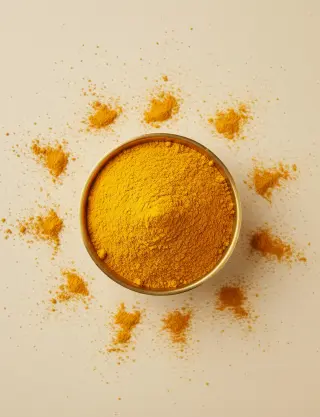
- Meghalaya: Focusing on high-value organic exports, specifically Lakadong Turmeric.
- Madhya Pradesh: Leads India in total land area under organic cultivation (primarily wheat and soy).
- Gujarat: Established Dang as its first 100% organic district to test scalability for the rest of the state.
- Kerala and Karnataka: Specializing in "Organic Spice Belts" to eliminate heavy metals from pepper and cardamom, and positioning themselves as the Millet Capital by promoting organic, climate-resilient ancient grains.
Why This Matters to You and Me
As I was writing this, I kept thinking: If a small state with difficult terrain and limited resources can do this, what's stopping the rest of us?
Sikkim isn't just a place on a map anymore; it's a blueprint. It reminds us that we don't have to trade our health or our planet for a harvest. Sometimes, "progress" means looking back at what our ancestors knew and giving it a modern seat at the table.
Let me know which French region is leading to become 100% organic!