




What wood do we use?
Discover the sustainable and legal origin of the wood used for our handcrafted printing blocks
About the wood
Dalbergia sissoo, commonly known as Shisham or Indian Rosewood, is a deciduous tree native to the Indian subcontinent. This noble wood is highly prized in cabinetmaking and craftsmanship for its natural beauty and exceptional durability.
Scientific information
- Scientific name
- Dalbergia sissoo DC. (1825)
- Common names
- Shisham, Sheesham, Indian Rosewood
- Family
- Fabaceae (Legumes)
Characteristics
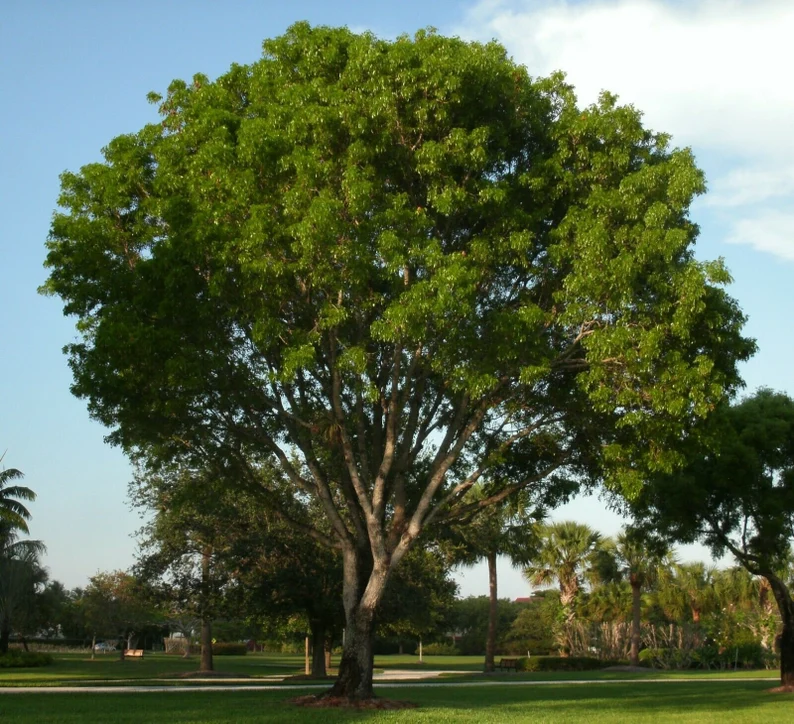
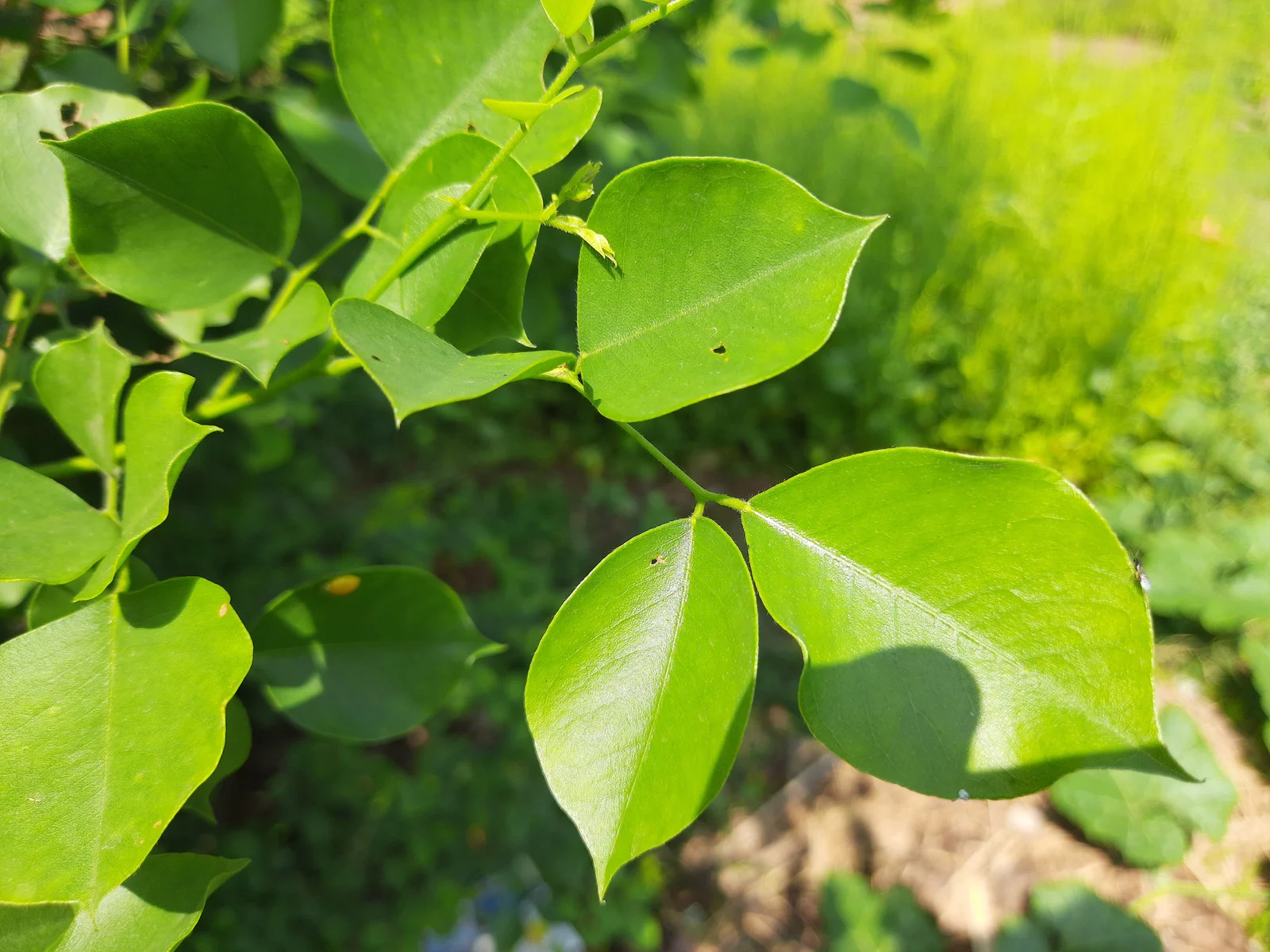
Origin and geographical distribution
A tree native to the Himalayas, widely spread across South Asia
Natural range
Himalayan foothills, from the valleys of Jammu-Kashmir to Bihar, along riverbeds and alluvial soils (altitude 500-900 m, up to 1500 m)
Countries of origin
Afghanistan, Bangladesh, Bhutan, India, Iran, Iraq, Myanmar, Nepal, Pakistan. Also widely planted in Africa, Southeast Asia, Australia and Central America.
Habitat
Permeable soils (sand, gravel, alluvium), riverbanks, temperature 4-45°C, rainfall 500-4500 mm/year
An abundant and growing species
Sources : CITES CoP19 Prop. 47, India State of Forest Report 2021
Official conservation status
The main threat to this species is not trade but fungal diseases (Fusarium, Ganoderma). The species regenerates naturally through seeds and suckers at a rate of 136-1218%.
What is CITES?
Convention on International Trade in Endangered Species
CITES (Convention on International Trade in Endangered Species of Wild Fauna and Flora) was established in 1973 to regulate international trade and prevent species extinction. It classifies species into three appendices based on their level of protection.
Why is the Dalbergia genus protected?
In 2017, the entire Dalbergia genus (over 250 species) was listed in CITES Appendix II. This decision followed the massive exploitation of precious rosewoods (Madagascar, Brazil, Thailand) for luxury furniture manufacturing, particularly for the Chinese market.
The main problem is the impossibility of distinguishing different species once the wood is processed, hence a precautionary global listing of the entire genus.
Actually threatened species:
The 'Holy Grail' of luthiers. Used for legendary guitars and Scandinavian furniture. Trade completely banned since 1992 (CITES Appendix I).
Victim of the Chinese 'Hongmu' craze. Trafficking more profitable than drugs, very slow growth, almost zero regeneration capacity.
Explosive poaching during every political crisis. Felling one tree destroys the habitat of dozens of other species including lemurs.
The special case of Dalbergia sissoo
A major difference
Unlike other Dalbergia species, sissoo is very common, massively cultivated and not threatened. It is the 2nd most cultivated tree in India with over 75 million trees outside forests.
A collateral victim
Dalbergia sissoo was included in the global protection of the genus to prevent 'laundering' of illegal wood through false identification.
Identification possible
Dalbergia sissoo can be distinguished from other species by its distinctive density (770 kg/m³ vs 835-1270 kg/m³ for threatened species), DNA sequencing or DART-TOFMS spectroscopy.
India's position at CoP19
India and Nepal's proposal
These two countries requested the removal of Dalbergia sissoo from Appendix II, arguing that the species is abundant, not threatened, and that the listing has a negative economic impact (exports -50%, 50,000 artisans affected).
Vote result
The proposal was rejected (30 for, 55 against). Countries acknowledged that the species is not threatened but fear the risks of fraud.
Exemption obtained
- Any finished article containing less than 10 kg of wood is exempt from CITES permit
- Only the weight of the wood counts (metals, textiles and other materials are excluded from the calculation)
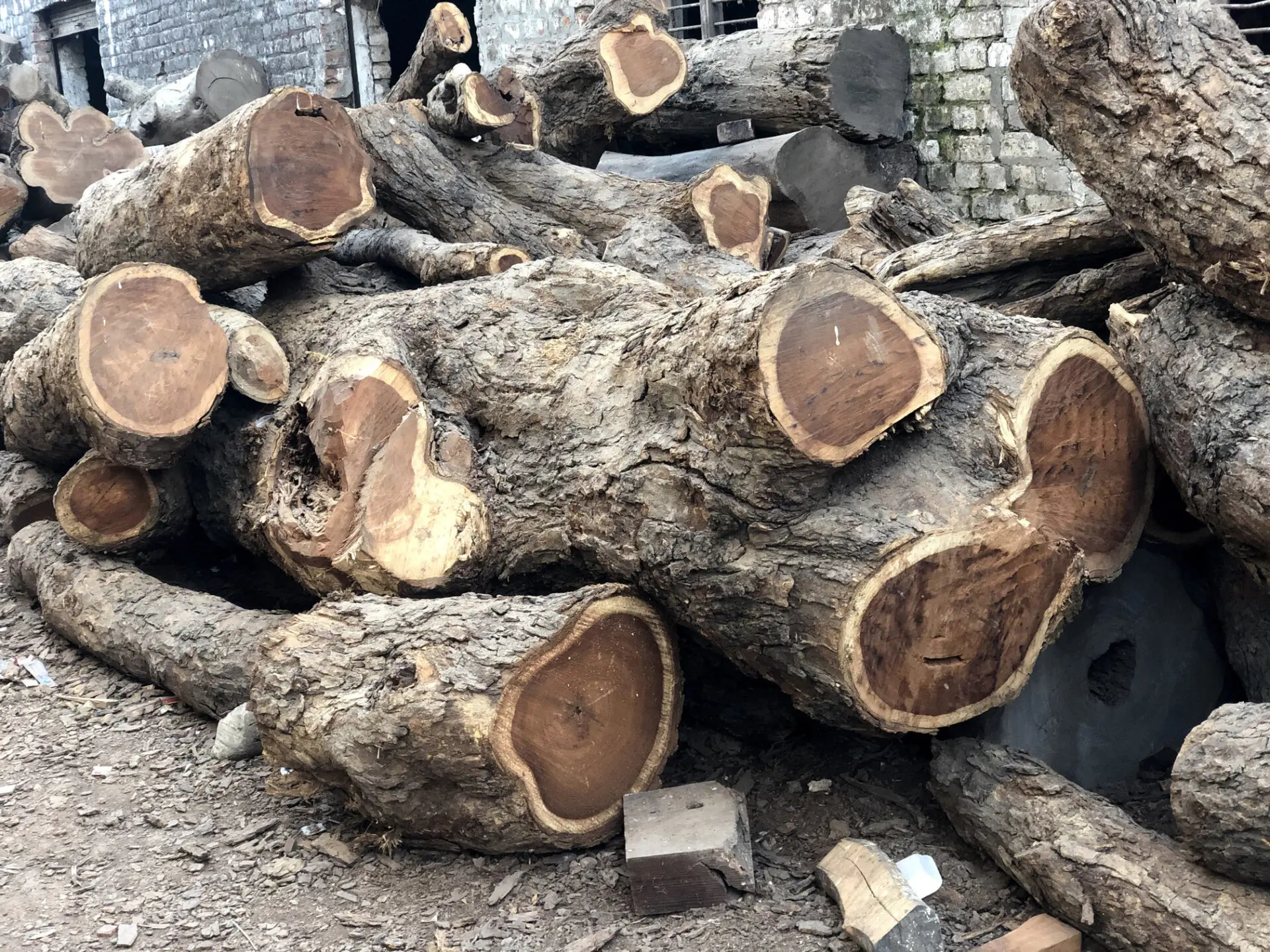
Our commitment
Cultivated wood
Our printing blocks come from cultivated wood (plantations/agroforestry), not wild forests
CITES compliance
Unit weight of our blocks well below 10 kg = no CITES permit required
Artisan supply chain
Wood from farming plantations in Uttar Pradesh, sourced through our local artisan partners
Frequently asked questions
Is the wood in my printing blocks legal?
Yes, absolutely. The Dalbergia sissoo (Shisham) we use comes from farming plantations in Uttar Pradesh, not wild forests. This species is not threatened (IUCN status: LC - Least Concern) and is massively cultivated in India.
Is the wood in my printing blocks endangered?
No. Dalbergia sissoo is classified as LC (Least Concern) by the IUCN and is not threatened with extinction. It is the 2nd most cultivated tree in India with over 75 million trees outside forests. It was included in CITES as a precaution to protect other species of the same genus, but its abundance confirms it is not endangered.
Why is the Dalbergia genus protected if sissoo is not threatened?
The entire genus was listed in CITES Appendix II in 2017 to prevent laundering of illegal wood through false identification. Dalbergia sissoo is a collateral victim of this precautionary measure, but its abundance (75+ million cultivated trees in India) confirms it is not endangered.
Discover our printing blocks
Handmade in India with sustainably sourced Dalbergia sissoo wood